
What Is a Dust Extractor and How Does It Work?
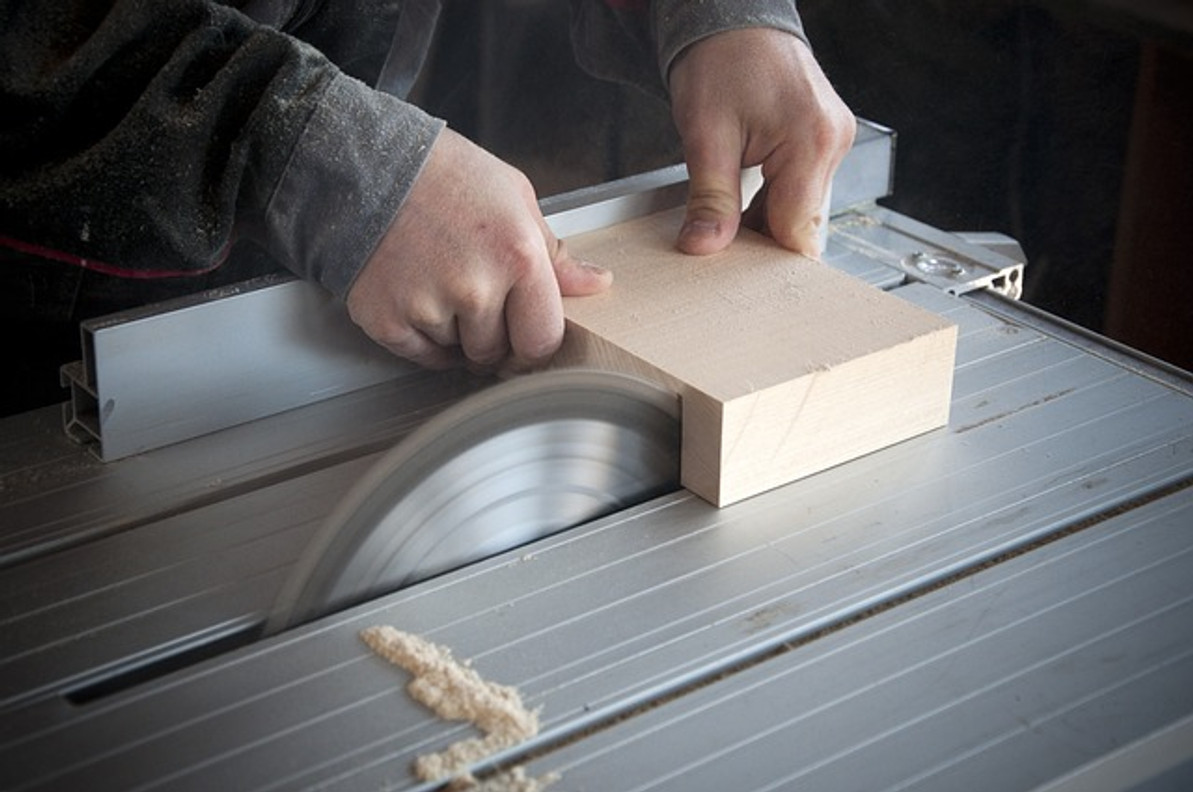
A dust extractor can make a world of difference in the air quality of many workplaces. Also known as a dust collector, it will remove dust from the air. Many workplaces have high levels of airborne dust. Workplaces that produce wooden products or otherwise work with wood, for instance, will likely have high levels of wood dust. All of this dust can pose a safety hazard to workers. If this sounds familiar, you may want to invest in a dust extractor.
What Is a Dust Extractor?
A dust extractor is a device that's designed to remove or "extract" dust from the air. While available in different styles, most of them use a combination of suction and filtration. As air travels through the dust extractor, it will remove dust and other small particulate matter. Only clean air will come out of the opposite end of the dust extractor.
How a Dust Extractor Works
Most dust extractors feature a capture system, such as a hood or suction arm. The capture system lives up to its namesake by capturing dust-filled air. You can position the hood or suction arm near the dust-producing equipment. As the equipment produces dust, the hood or suction arm will suck it up.
Dust extractors feature a motorized fan, which they use to create negative pressure. The negative pressure works in conjunction with the capture system. It will pull the dust-filled air from the surrounding space into the capture system.
All dust extractors feature an air filter. The air filter is the primary method by which dust extractors remove dust from the air. After being sucked into the capture system, the dust-filled air will travel through a filter or set of filters. Some dust extractors use traditional air filters, whereas others high-efficiency particulate air (HEPA) filters. Regardless, they all use at least one air filter. Air filters work by catching dust.
Benefits of Using a Dust Extractor
Why should you use a dust extractor in your workplace exactly? It will protect you and other workers from potentially harmful dust. Dust can cause health problems when inhaled. Even wood dust can trigger breathing problems, and increase the risk of certain lung diseases. A dust extractor will keep airborne dust levels in check by removing dust.
A dust extractor can prolong the life of your equipment. Dust can degrade equipment. When exposed to high levels of dust, equipment may break down more quickly. You can keep your equipment a little cleaner by using a dust extractor. While running, the dust extractor will pass air through its filter or filters so that less dust lingers in your workplace.
Recent Posts
-
Cut Gloves: How to Choose the Right ANSI Level
A hand-protection program works best when it starts with the task, not a product label. A packaging …Oct 5th 2026 -
Kevlar Gloves. Cut, Heat, and Task-Specific Selection
Choosing hand protection by material name alone can leave a serious gap in your safety program. Star …Oct 2nd 2026 -
Face Shield for Grinding: Selection and Safety Guide
Grinding can send fragments, sparks, dust, and other debris toward a worker's face in an instant. Th …Sep 30th 2026