
The Pros and Cons of Leather Work Gloves
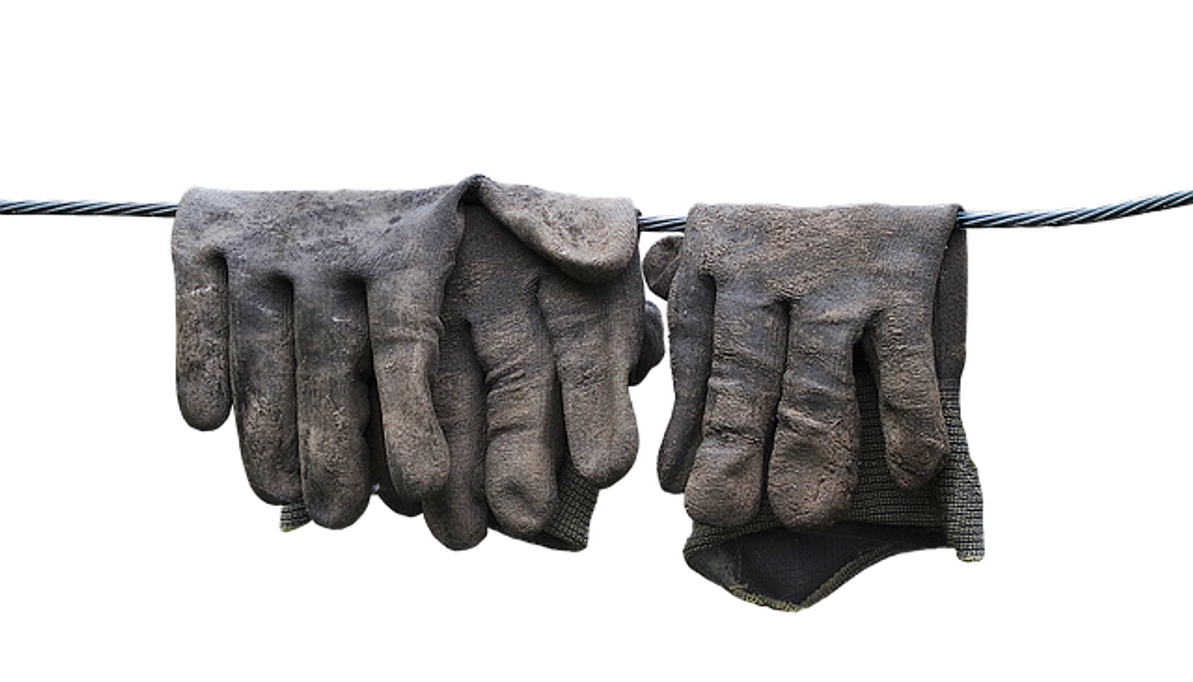
Are you thinking about buying a pair of leather work gloves? Work gloves are an essential form of personal protective equipment (PPE) for many jobs. Consisting of tanned leather, they will protect your hands from splinters, sharp objects and other potential work-related hazards. Leather work gloves, however, offer both advantages and disadvantages, some of which are discussed below.
Pro: Comfort
Leather work gloves are undoubtedly comfortable. They feature a softer, gentler texture than work gloves made of other materials. They won't scratch or irritate your hands. As long as you choose gloves made of real leather -- as opposed to faux leather -- you can rest assured knowing that they will be comfortable.
Pro: Durability
Don't let their soft texture fool you into thinking that leather work gloves are prone to damage. While there are different types of leather work gloves, they are all very durable. Leather is naturally strong. Leather work gloves retain a similar level of strength while simultaneously protecting against premature wear and tear. If you're tired of constantly replacing your work gloves, a pair of leather work gloves might be a smart investment for this reason.
Pro: Breathable
Another advantage of leather work gloves is breathability. Leather is a breathable material, meaning air can flow into and out of it. Why does this matter? When working, your hands may get hot. If your work gloves aren't breathable, all of this heat will remain trapped. Leather work gloves offer a solution. They will allow heat to escape your hands so that you stay cooler and more comfortable on the job.
Con: Not Waterproof
While they are comfortable and durable, leather work gloves aren't waterproof. Leather is absorbant. It doesn't repel or "wick" away moisture; it absorbs moisture. You can still wear leather work gloves in wet or humid environments, but they may not keep your hands completely dry. As they absorb moisture, some of this moisture will penetrate through the gloves to reach your hands.
Con: Higher Cost
When compared to work gloves made of synthetic materials, leather work gloves are typically more expensive. You can find work gloves made of polyester, vinyl and other synthetic materials. Leather is a natural material, so it requires more resources and time to produce than synthetic materials such as these. As a result, manufacturers typically charge more for leather work gloves than synthetic work gloves.
Recent Posts
-

Kevlar Gloves. Cut, Heat, and Task-Specific Selection
Choosing hand protection by material name alone can leave a serious gap in your safety program. Star …Oct 2nd 2026 -
Face Shield for Grinding: Selection and Safety Guide
Grinding can send fragments, sparks, dust, and other debris toward a worker's face in an instant. Th …Sep 30th 2026 -
Prescription Safety Glasses: Workplace Guide
Prescription safety glasses help employees maintain clear vision without giving up protection from w …Sep 10th 2026