
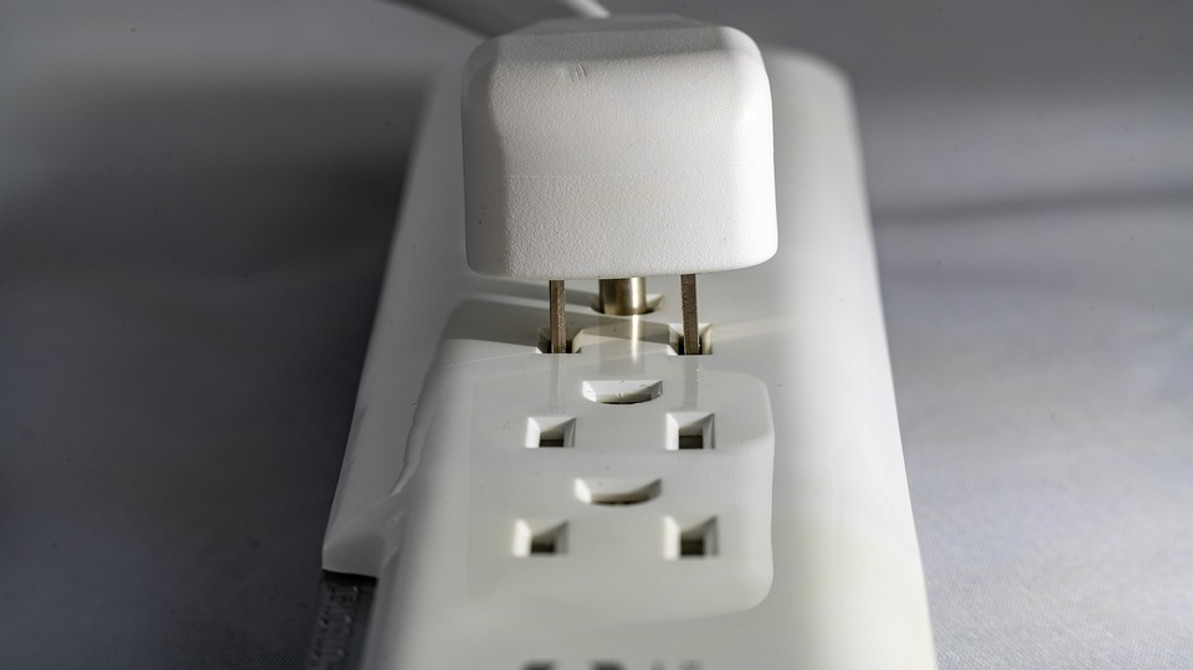
Power Strip Safety 101: What You Should Know
Power strips are commonly used in offices and other commercial workspaces. Not to be confused with surge protectors, they are designed to convert a single outlet into multiple outlets. You can plug a power strip into a wall outlet. You can then plug various devices into the power strip. While power strips are convenient, though, there are several safety precautions you should take when using them.
Only Use Indoors
Avoid using power strips outdoors. There are certain extension cords that can be used outdoors -- assuming it's not raining -- but power strips are typically designed for indoor use only. Using power strips outdoors is a safety hazard. Even if it's not raining, moisture or debris may enter the power strip's open outlets where it causes failure. And failure of a power strip can lead to bodily injury.
Keep Uncovered
You should keep power strips uncovered. In other words, don't attempt to conceal them under rugs, carpet or other objects. Covering a power strip will only increase the risk of an electrical fire. Power strips carry electricity, so they generate heat. Normally, this heat will dissipate into the surrounding air. If a power strip is covered, though, the heat will remain trapped.
Avoid Chain-Linking
Another safety tip to follow when using power strips is to avoid chain-linking them. Chain-linking means connecting multiple power strips to each other. Neither extension cords nor power strips should be chain-linked.
Limit One Per Wall Outlet
Only use a single power strip per wall outlet. Outlets can also provide so much power. When you connect multiple power strips to a given outlet, and then connect multiple devices to those power strips, it may draw an excessive amount of power. Circuit breakers will typically disrupt the flow of power before a fire occurs, but it's better to err on the side of caution by using no more than one power strip per outlet.
Inspect for Damage
Don't forget to inspect your power strips for signs of damage. Power strips are typically made of plastic with a conductive metal interior. Over time, they can sustain damage due to failure. Power strips, for instance, may begin to melt if they no longer offer a tight fit for electrical prongs. Alternatively, the cord to which a power strip is connected may begin to fray. If you notice damage such as this, avoid using the power strip. Instead, replace the damaged power strip with a new power strip.
Recent Posts
-

LOTO Explained: Lockout/Tagout Steps for Safer Maintenance
LOTO, short for lockout/tagout, is an energy-control process that prevents a machine from starting o …Oct 12th 2026 -

N95 Respirator Guide for Workplace Safety
Dust, mist, fumes, and other airborne particles can create serious exposure risks before a worker no …Oct 12th 2026 -
Cut Gloves: How to Choose the Right ANSI Level
A hand-protection program works best when it starts with the task, not a product label. A packaging …Oct 5th 2026