
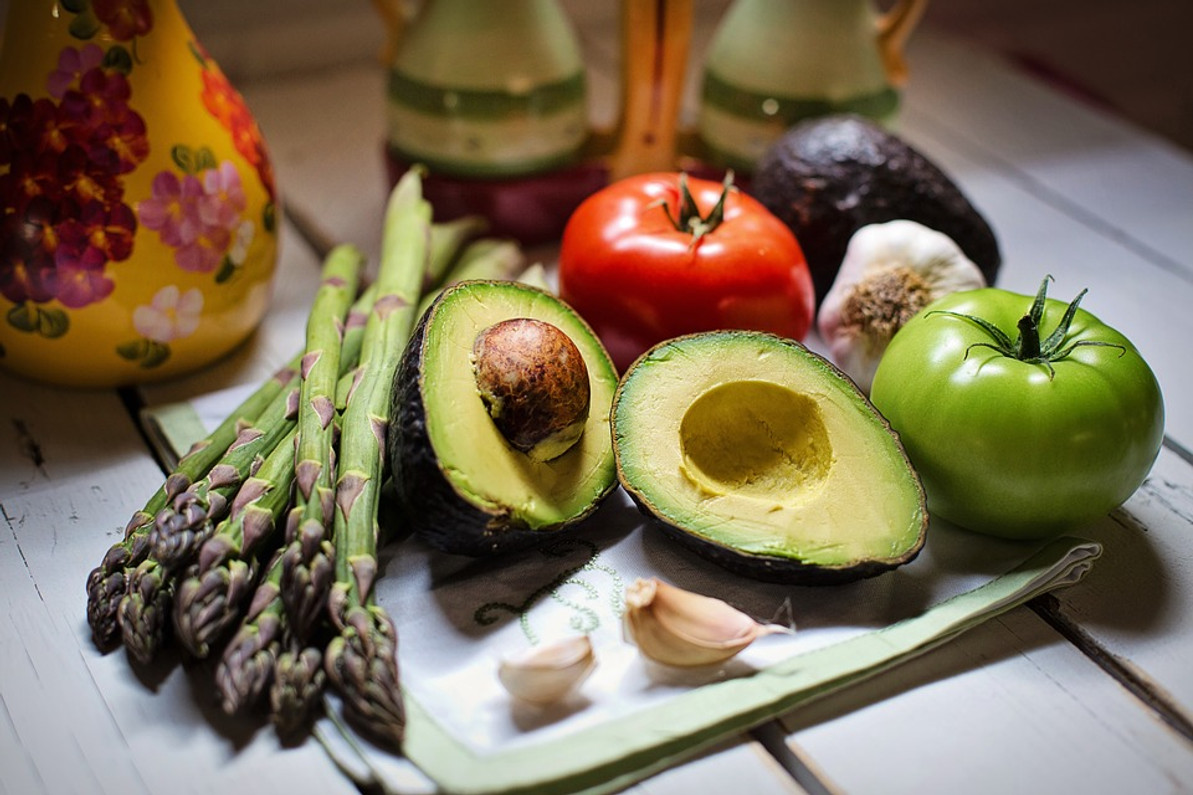
Are You Consuming Enough Fruits and Vegetables?
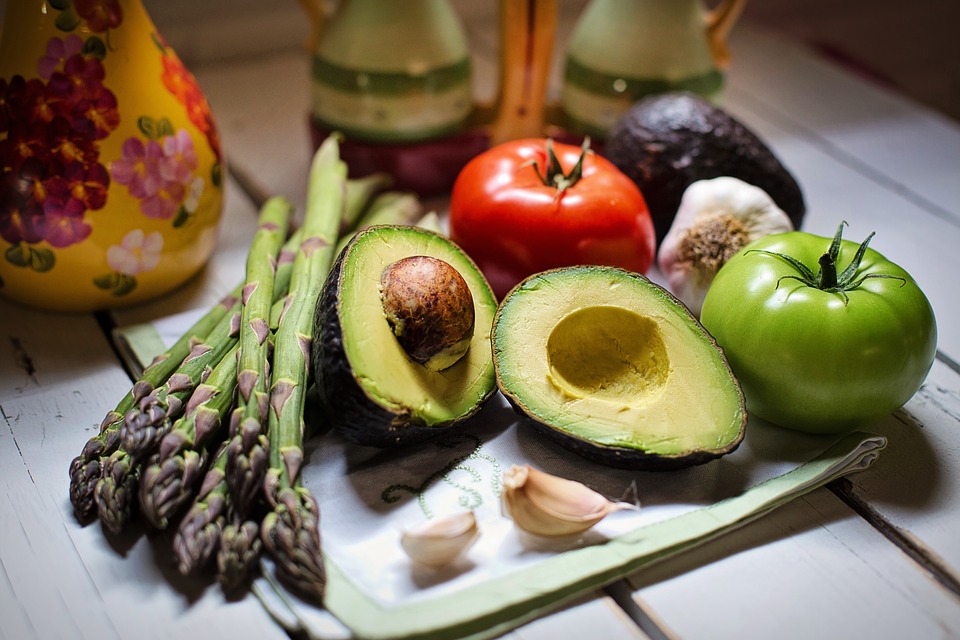
If you're like most U.S. adults, you probably aren't getting enough fruits and vegetables in your diet. It's no secret that fruits and vegetables are essential for good health. They provide many key nutrients and vitamin; thus, protecting against disease and illness. However, new research by the Centers for Disease Control and Prevention (CDC) suggests that nearly nine in 10 U.S. adults don't consume enough fruits and vegetables in their daily diet.
Under the CDC's current dietary guidelines, adults are encourages to consume at least one and a half cups of fruit and two to three cups of vegetables per day. When speaking about its findings, however, a spokesperson for the CDC explained that just 9 percent of adults met these recommendations in 2015. Furthermore, residents in some states fell even shorter, with just 7 percent of West Virginians consuming the recommended one and a half cups of fruit and two to three cups of vegetables per day.
Of course, failure to consume an adequate amount of fruits and vegetables in your diet increases the risk of many potentially serious diseases. Other studies have linked insufficient fruit and vegetable consumption to diabetes, obesity, heart disease and even an increased risk of early mortality.
“This report highlights that very few Americans eat the recommended amount of fruits and vegetables every day, putting them at risk for chronic diseases like diabetes and heart disease,” said Seung Hee Lee Kwan, Ph.D.of the CDC. “As a result, we’re missing out on the essential vitamins, minerals, and fiber that fruits and vegetables provide.”
The problem faced by most Americans is how to consume the recommended amount of fruits and vegetables in their diet. Most Americans know the importance of consuming it; they just don't know how to squeeze it into their diet. If this sounds like a familiar scenario, you should consider making some basic lifestyle changes.
First and foremost, try to get into the habit of eating vegetables as side items instead of French fries of potato ships. Some people automatically choose the latter as side items for their dinner or lunch, only to omit a key element from their meal: vegetables. If you eat two vegetables as a side item with every meal, you'll have an easier time meeting the CDC's dietary recommendations.
Furthermore, you can squeeze more fruits and vegetables into your daily diet by investing in a juicer. Using a juicer, you can create delicious, nutritious beverages using your favorite produce. Juicing has become increasingly popular in recent years, and for good reason. It allows individuals to consume multiple servings of fruits and/or vegetables simply by drinking juiced beverages.
Additionally, you can check out the USDA's ChooseMyPlate.gov website for other helpful dieting tips. These are just a few ways to increase your intake of fruits and vegetables.
Recent Posts
-

Safety Harness for facility and field teams
A safety harness is one part of a fall-protection decision, not a stand-alone answer to every work-a …Oct 22nd 2026 -
Ear Protection: Plugs, Muffs, and Communication
Choosing ear protection for a workplace is not just a matter of picking the product with the highest …Oct 21st 2026 -

Workplace Planning with Bump Cap vs Hard Hat
When weighing bump cap vs hard hat, start with the hazard, not the appearance, comfort, or price of …Oct 21st 2026