
5 Safety Tips to Follow When Using a Pipe Wrench
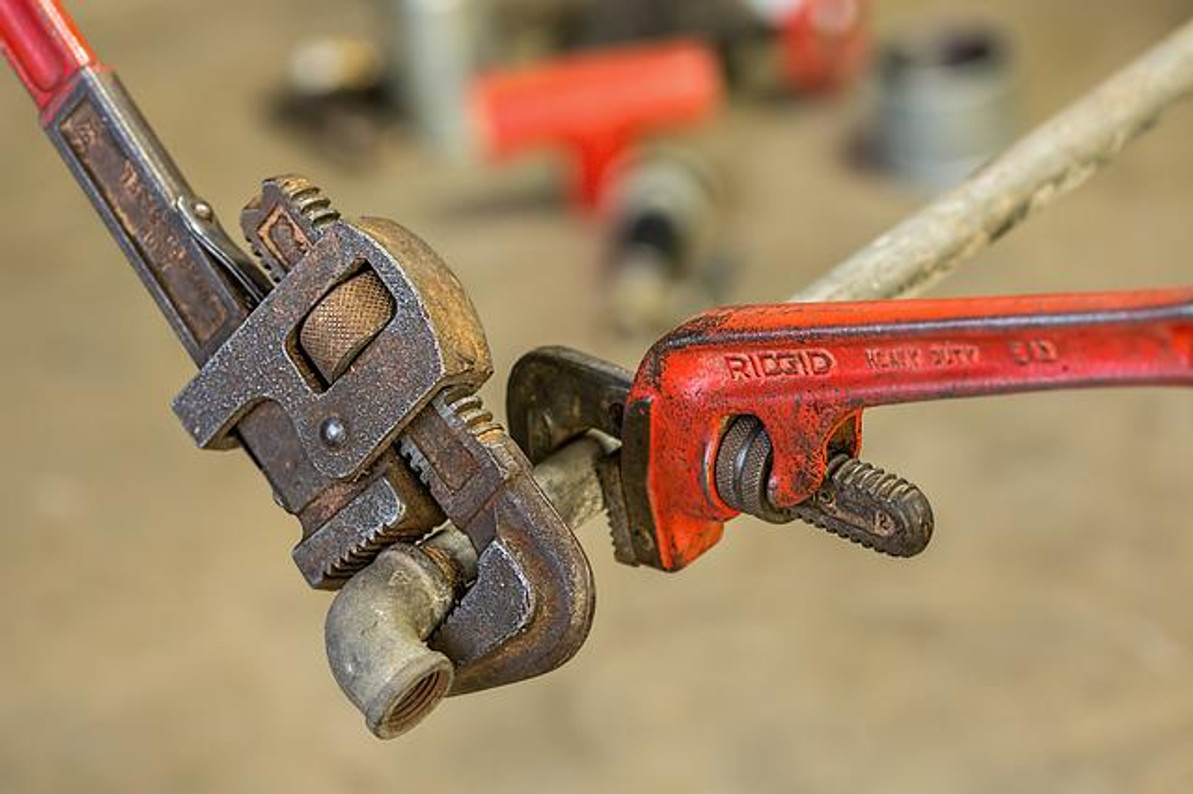
When installing threaded pipes, you may need to use a pipe wrench. A pipe wrench is a handheld tool that, as the name suggests, is designed for pipes. You can use it to install threaded pipes and pipe fittings. A typical pipe wrench features a pair of serrated jaws. After clamping the jaws over a pipe, you can turn it. While pipe wrenches are relatively simple, there are some safety tips you should follow when using them.
#1) Tightening or Loosening Only
You should only use a pipe wrench for tightening or loosening applications. Tightening will allow you to install pipes, whereas loosening will allow you to remove them. You shouldn't use a pipe wrench for bending applications. Pipe wrenches are designed to bend pipes; they are only designed to install and remove pipes by tightening or loosening them, respectively.
#2) Turn With Both Hands
Another safety tip to follow when using a pipe wrench is to turn it with both hands. Pipe wrenches provide more torque than traditional wrenches -- and you'll need this torque to install stubborn pipes. Gripping a pipe wrench with a single hand will result in less torque. Furthermore, the pipe wrench may slip if you hold it with a single hand, which could result in bodily injury.
#3) Inspect the Adjustment Ring
Before using a pipe wrench, inspect the adjustment ring. The adjustment ring is the section of threading around the jaws. You can move the adjustment ring to change the opening of the pipe wrench's jaws. This threading, however, can wear down. The more you use a pipe wrench, the greater the risk of worn threading. And worn threading may cause the pipe wrench to slip out of place. If you discover worn threading, don't use the pipe wrench.
#4) Wear Safety Glasses
Don't forget to wear safety glasses when using a pipe wrench. Eye injuries are common. According to the U.S. Centers for Disease Control and Prevention (CDC), about 2,000 workers sustain an eye injury that requires medical treatment each day in the United States. Pipe wrenches can cause eye injury. If the pipe wrench slips, it may strike your eye. Safety glasses will protect you from eye injuries such as this when using a pipe wrench.
#5) Use the Right Size
Pipe wrenches are available in different sizes. You should choose a pipe wrench in an appropriate size. If it's too big, the jaws may fail to fully close around the pipe. If it's too small, the jaws may be too tight. You can typically adjust the size of the jaws with the adjustment ring, but you'll still need to consider the size of the actual pipe wrench.
Recent Posts
-

LOTO Explained: Lockout/Tagout Steps for Safer Maintenance
LOTO, short for lockout/tagout, is an energy-control process that prevents a machine from starting o …Oct 12th 2026 -

N95 Respirator Guide for Workplace Safety
Dust, mist, fumes, and other airborne particles can create serious exposure risks before a worker no …Oct 12th 2026 -
Cut Gloves: How to Choose the Right ANSI Level
A hand-protection program works best when it starts with the task, not a product label. A packaging …Oct 5th 2026