
What Causes Work-Related Hearing Loss
Work-related hearing loss is more common than you may realize. According to the U.S. Centers for Disease Control and Prevention (CDC), it affects about 22 million workers in any given year. Also known as occupational hearing loss, work-related hearing loss is exactly what it sounds like: the loss or reduction of hearing in the workplace. What causes work-related hearing loss exactly?
Loud Noise
The most common cause of work-related hearing loss is loud noise. Workers who are regularly exposed to loud noise while working are more likely to experience this condition than workers who are rarely or never exposed to loud noise.
Noise is considered "loud" when it exceeds 85 decibels. To put that number into perspective, a typical car horn is about 110 decibels. When workers are exposed to loud noise that's over 85 decibels for an extended period, they may develop work-related hearing loss.
Workers can protect themselves from loud noise by doing the following:
- Limiting exposure
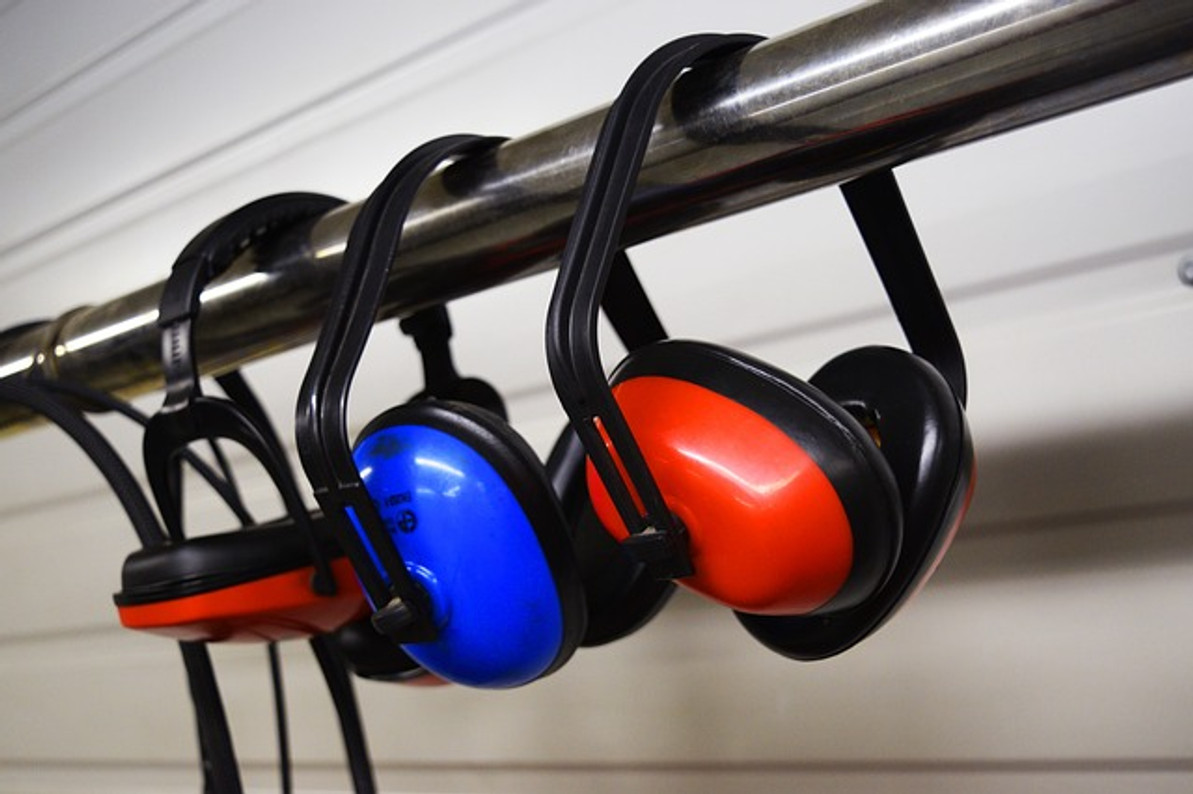
- Wearing noise-reducing headphones or earplugs
- Monitor the decibel level of their workplace
- Familiarize themselves with the signs and symptoms of work-related hearing loss.
- Get an annual hearing exam
Chemical Exposure
While loud noise is the most common cause of work-related hearing loss, exposure to certain chemicals can have a similar effect. Ototoxic chemicals, for instance, are defined by their ability to cause or contribute to hearing loss. In some cases, ototoxic chemicals may amplify the hearing-loss effects of loud noise. In other cases, ototoxic chemicals by themselves can cause work-related hearing loss. Regardless, exposure to ototoxic chemicals is an underlying cause in work-related hearing loss.
Commercial solvents are oftentimes ototoxic. This includes toluene, styrene and trichloroethylene. Many nitriles are also classified as ototoxic. Workers who are exposed to ototoxic chemicals such as these may develop work-related hearing loss. Therefore, it's important for workers to identify and protect themselves from ototoxic chemicals. Wearing the right personal protective equipment (PPE) can offer protection against ototoxic chemicals and their hearing-loss effects.
In Conclusion
The two most common causes of work-related hearing loss include loud noise and chemical exposure. Exposure to loud noise and/or ototoxic chemicals can make workers susceptible to hearing loss. Loud noise is defined as any sound that exceeds 85 decibels. In comparison, ototoxic chemicals are those that directly damage the inner parts of the ear or otherwise cause or contribute to hearing loss.
Recent Posts
-
Face Shield for Grinding: Selection and Safety Guide
Grinding can send fragments, sparks, dust, and other debris toward a worker's face in an instant. Th …Sep 30th 2026 -
Prescription Safety Glasses: Workplace Guide
Prescription safety glasses help employees maintain clear vision without giving up protection from w …Sep 10th 2026 -

Safety Vest Guide: ANSI Classes and Fit Tips.
On a busy jobsite, a high-visibility garment is part of a worker-protection plan, not simply a brigh …Sep 8th 2026