
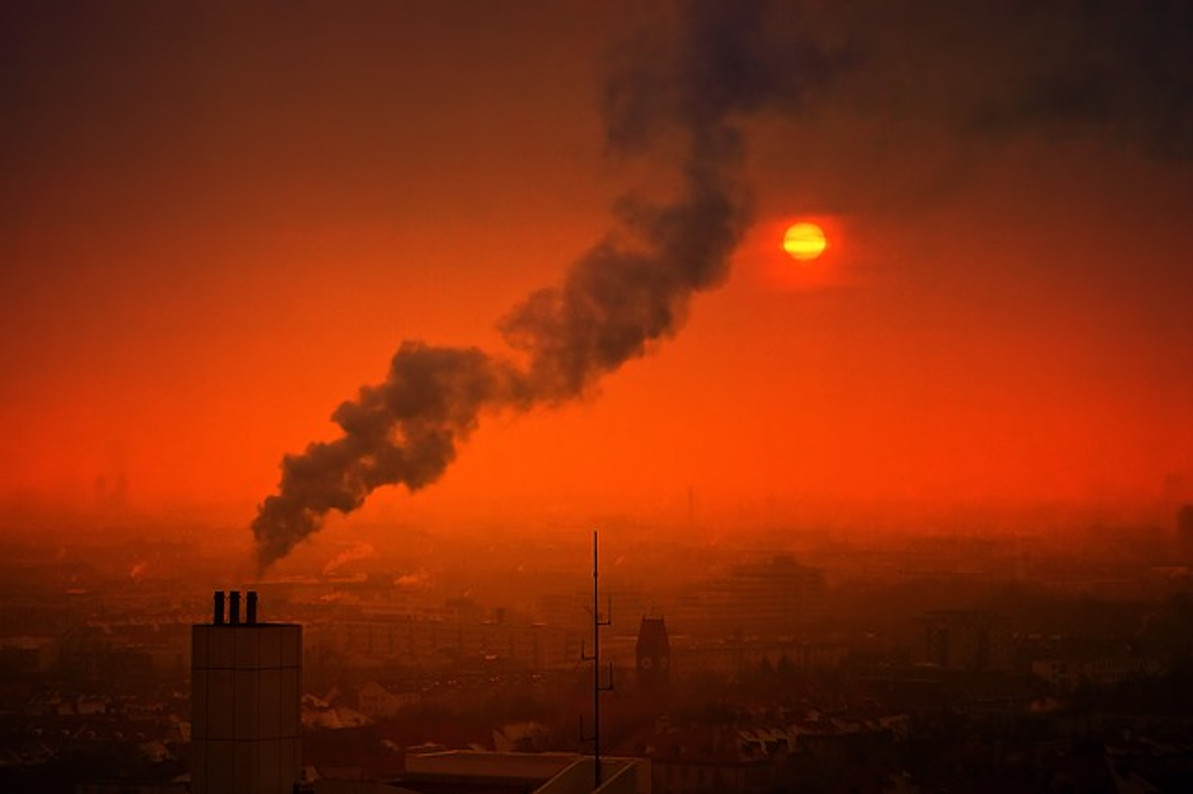
New Study Links Outdoor Air Pollution to Increased Risk of Death
It's no secret that air pollution is a health hazard. Exposure to high concentrations of airborne pollutants can take a toll on your health. It may increase your risk of respiratory ailments like asthma. And according to a new study, exposure to outdoor air pollution may increase your risk of death.
About the Study
A new study published in the journal PLoS One found that exposure to high levels of outdoor air pollution increases the risk of death by 20%.
For the study, researchers sought to investigate the correlation between outdoor air pollution and mortality. Researchers evaluated the health data of over 50,000 participants while paying close attention to their health markers. At the end of the study, they found that participants who lived in areas with the highest levels of outdoor air pollution were 20% more likely to die from all causes and 17% more likely to die from heart disease.
Why Outdoor Air Pollution Is Bad For Your Health
Like with many other health-related studies, this latest study only found a correlation between outdoor air pollution and an increased risk of death; it didn't reveal how, exactly, outdoor air pollution increases the risk of death. Nonetheless, air pollution can have a severe and negative impact on your health.
Exposure to outdoor air pollution will minimize the amount of oxygen your body receives. When we breathe, our bodies will absorb oxygen through the lungs. Outdoor air pollution, of course, means your body will absorb more particulate matter and less oxygen.
Outdoor air pollution can also suppress your body's immune system. Our immune systems are responsible for fighting off infectious illnesses. When suppressed, they may struggle to perform this task. Exposure to outdoor air pollution can leave your body's immune system in a weakened state, meaning you'll become more susceptible to infectious illnesses.
Tips to Avoid Outdoor Air Pollution
How can you avoid outdoor air pollution exactly? Be conscious of the air quality levels in your area. Most regions have an air quality level that reflects their air pollution level. Based on the Air Quality Index, it uses a system of colors ranging from green to red. Green indicates low levels of air pollution, whereas red indicates high levels of air pollution.
When driving, try to keep your vehicle's windows rolled up. Most vehicles have an air filter in the cabin. This filter will remove particulate matter so that it doesn't enter your vehicle's cabin.
Recent Posts
-
Cut Gloves: How to Choose the Right ANSI Level
A hand-protection program works best when it starts with the task, not a product label. A packaging …Oct 5th 2026 -

Kevlar Gloves. Cut, Heat, and Task-Specific Selection
Choosing hand protection by material name alone can leave a serious gap in your safety program. Star …Oct 2nd 2026 -
Face Shield for Grinding: Selection and Safety Guide
Grinding can send fragments, sparks, dust, and other debris toward a worker's face in an instant. Th …Sep 30th 2026