
Extension Cord Safety 101: The Dos and Don'ts of Using Extension Cords
Extension cords allow workers to use corded power tools, as well as other corded electrical devices, farther away from the a wall outlet. They are connected to a wall outlet, after which a power tool can be connected to the opposite end. While extension cords are common throughout many workplaces, they pose a safety hazard when used incorrectly. Below are several dos and don'ts to follow when using extension cords.
Do Inspect Shielding
Always inspect the shielding before using an extension cord. Extension cords contain shielding in the form of plastic that's wrapped around the exterior. If the shielding is torn or punctured, the underlying conductive wires will be exposed. Therefore, you should check the extension cord's shielding before using it.
Don't Use Multiple Extension Cords
Never use multiple extension cords together. If an extension cord doesn't reach as far you need to, you may feel compelled to a second extension cord. Extension cords, however, aren't designed to be used together. If you connect multiple extension cords together, they may start a fire.
Do Check Ratings
You should check the gauge rating of an extension cord before using it. All extension cords are rated according to their thickness. The higher the gauge, the more thick the extension cord. A lower gauge, on the other hand, indicates a thinner extension cord with a lower voltage capacity.
Don't Run Underneath Rugs
What's wrong with running extension cords underneath rugs? While it may lower the risk of a trip-and-fall accidents, it increases the risk of a fire. Extension cords produce heat in response to electricity. As electricity flows through it, the extension cord will heat up. If it's placed underneath or a rug, the rug may catch fire.
Do Pull the Plug to Remove From Outlet
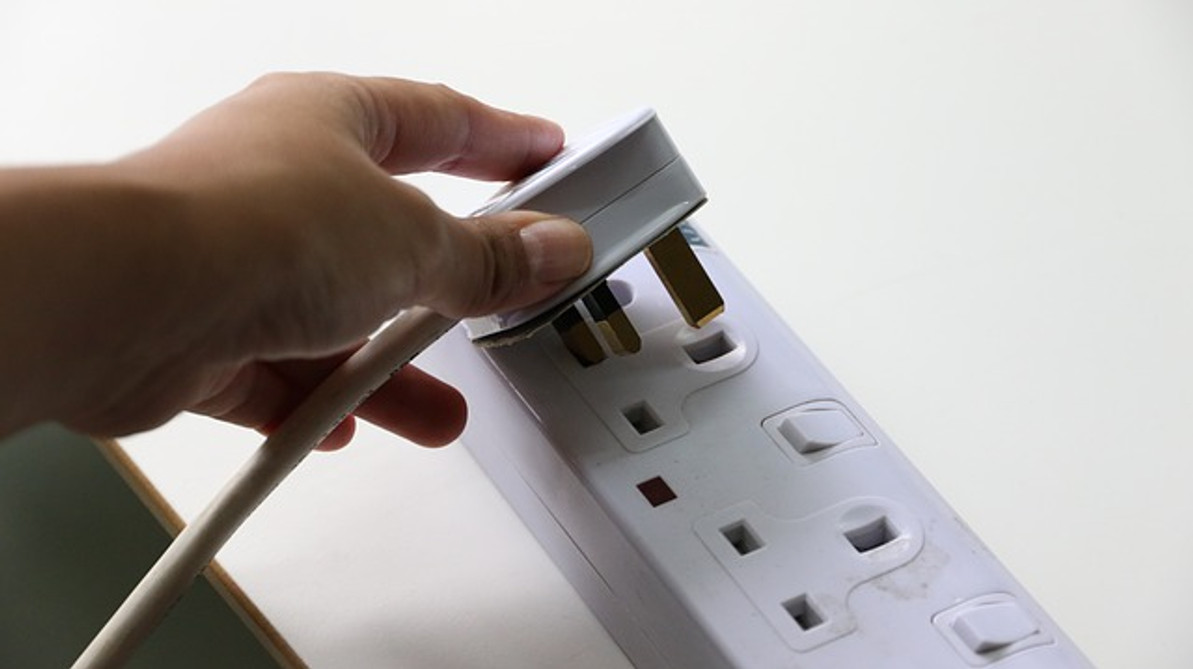
When you are finished using an extension cord, pull the plug to remove it from the outlet. Some workers pull the extension cord itself. As a result, they unknowingly bend and damage the cord's prongs. By removing the extension cord from the plug, you won't damage its prongs.
Don't Use Outdoors
Most extension cords are intended strictly for indoor use; you can't safely use them outdoors. Aside from the risk of electrocution if it rains, extension cords will degrade when used outdoors. The exterior shielding may crack and fray, thereby exposing the cord's internal wires. Unless an extension cord is specifically designed for outdoor use, you should only use it indoors.
Recent Posts
-

LOTO Explained: Lockout/Tagout Steps for Safer Maintenance
LOTO, short for lockout/tagout, is an energy-control process that prevents a machine from starting o …Oct 12th 2026 -

N95 Respirator Guide for Workplace Safety
Dust, mist, fumes, and other airborne particles can create serious exposure risks before a worker no …Oct 12th 2026 -
Cut Gloves: How to Choose the Right ANSI Level
A hand-protection program works best when it starts with the task, not a product label. A packaging …Oct 5th 2026