
6 Safety Tips to Follow When Using a Hammer Drill
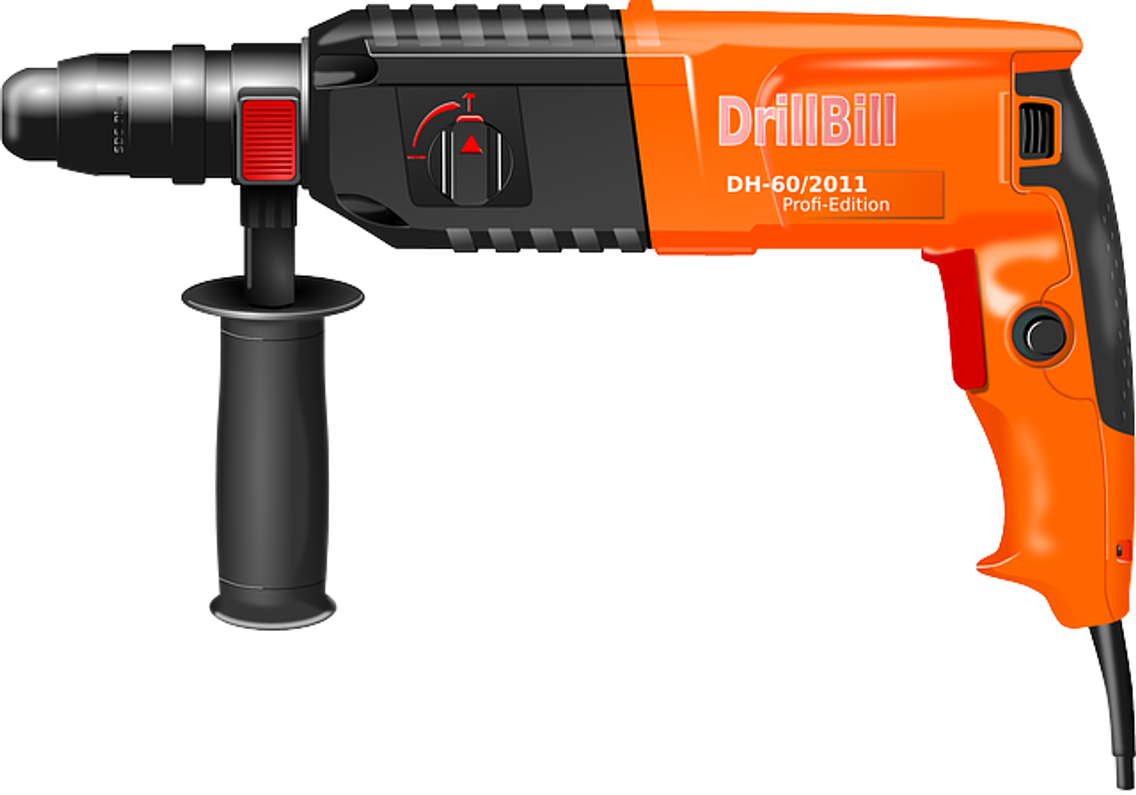
A traditional rotary drill isn't always enough. If you're trying to drill into a particularly hard material, such as stone, you may need a hammer drill. Also known as an impact drill, it's characterized by a reciprocating hammer motion. A hammer drill performs short thrusts so that the drill bit is able to enter the hard material. Here are six safety tips to follow when using a hammer drill.
#1) Stop to Reverse
If you need to reverse the direction, stop the hammer drill. Never attempt to reverse the direction while the hammer drill is still operating.
#2) Wear PPE
You should wear personal protective equipment (PPE) when using a hammer drill. All power tools require PPE -- and hammer drills are no exception. Among the most important forms of PPE for hammer drills include heating protection, impact-resistant eyewear and a dust mask.
#3) Keep Air Vents Unobstructed
Make sure the air vents on the hammer drill remain clear and unobstructed at all times. Most hammer drills have one or more air vents. Allowing debris to accumulate on these air vents may result in damage to the hammer drill, which can place you at risk for injury. If you're going to use a hammer drill, keep the air vents unobstructed at all times.
#4) Hold With Both Hands
Use both hands to hold the hammer drill. Hammer drills are more powerful than traditional rotary drills. Even if you can grip a hammer drill with a single hand, you may struggle to control it Regardless of the material in which you are drilling, use both holds to hold the hammer drill. Holding it with both hands will give you greater control while subsequently lowering your risk of injury.
#5) Inspect the Bit
Before powering on the hammer drill, take a moment to inspect the bit. Hammer drills require a bit. Bits, of course, can become damaged over time. Maybe the bit is rusted, or perhaps it's cracked. If the bit is damaged, you shouldn't use it. You should only use a hammer drill with a solid, unbroken bit.
#6) Only Use Manufacturer-Approved Accessories
If you're going to use any accessories with the hammer drill, you should check to ensure that they've been approved by the manufacturer. Other accessories pose a risk of damage to the hammer drill or bodily injury. By sticking with manufacturer-approved accessories, you can rest assured knowing that they are safe to use with the hammer drill.
Recent Posts
-

LOTO Explained: Lockout/Tagout Steps for Safer Maintenance
LOTO, short for lockout/tagout, is an energy-control process that prevents a machine from starting o …Oct 12th 2026 -

N95 Respirator Guide for Workplace Safety
Dust, mist, fumes, and other airborne particles can create serious exposure risks before a worker no …Oct 12th 2026 -
Cut Gloves: How to Choose the Right ANSI Level
A hand-protection program works best when it starts with the task, not a product label. A packaging …Oct 5th 2026