
5 Safety Tips to Follow When Building a Campfire
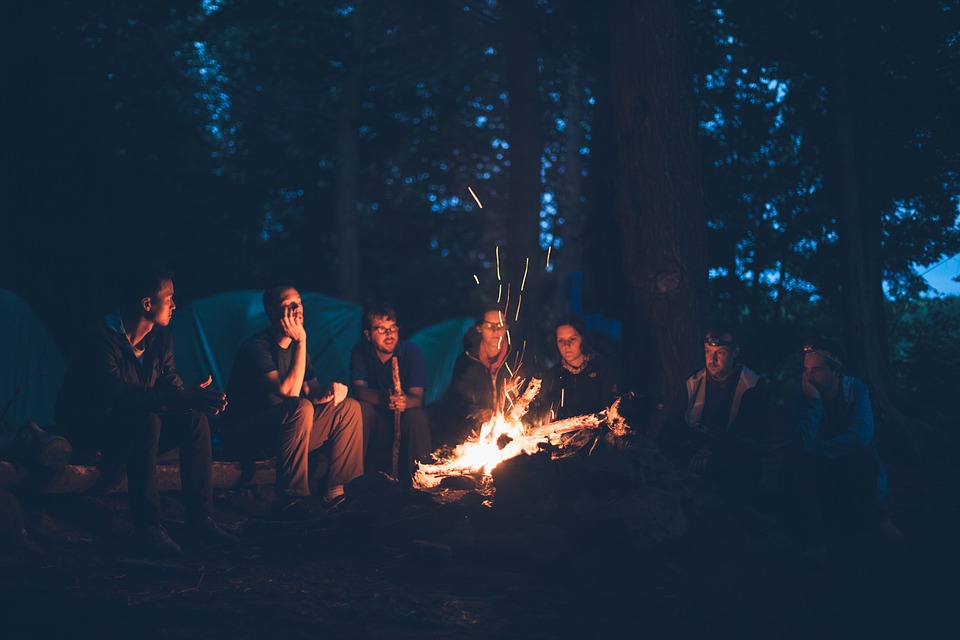
Are you planning to build a campfire? When camping outdoors, a campfire will create warmth while allowing you to cook meals in the process. With that said, there's an inherent risk of injury when building a campfire. If you don't take the necessary precautions, you may sustain burns or other forms of bodily injury. By following these five tips, however, you can safely build and enjoy a campfire.
#1) Don't Use Gasoline or Other Accelerants
Never use gasoline or any other accelerant when building a campfire. Gasoline is particularly dangerous because of its highly volatile properties. When exposed to a fire, gasoline will quickly ignite, thereby creating a large fireball that may injure you or anyone else nearby. Other types of accelerants like lighter fluid can trigger a similar reaction. Therefore, you should use tinder and kindling to start your campfire rather than gasoline or other accelerants.
#2) Build Inside a Fire Ring
After arriving at your campsite, look around for a fire ring. Most parks, including state and national parks, have dedicated fire rings that are designed specifically for campfires. A typical fire ring consists of a circular arrangement of small rocks. In other words, it's a "ring" in which you build a "fire." By building your campfire in a fire ring, it's less likely to spread, which could otherwise cause injury.
#3) Keep a Safe Distance
There's nothing wrong with lounging around a campfire once the sun goes down, but you shouldn't get too close to it. If you're wearing clothes made of cotton, wool, linen or any other organic fabric, it may catch fire. By maintaining a safe distance -- at least 3 or 4 feet -- you can safely enjoy the campfire.
#4) Build a Small Campfire
When building a campfire, try to keep it small. Not surprisingly, bigger campfires are more dangerous than smaller campfires because they produce more heat. Start with just a few logs and gradually add more until you've achieved an appropriate size for your campfire.
#5) Extinguish Before Leaving
Finally, remember to extinguish your campfire before leaving your campsite. Even if all the wood has burned to ash, it may still be hot enough to spread the fire to nearby grass or brush. By pouring water over your campfire, you can rest assured knowing that it won't spread.
Building a campfire is a fun outdoor activity that's become synonymous with outdoor camping. Regardless of where exactly you are camping, though, you should follow these safety tips when building a campfire.
Recent Posts
-
Face Shield for Grinding: Selection and Safety Guide
Grinding can send fragments, sparks, dust, and other debris toward a worker's face in an instant. Th …Sep 30th 2026 -
Prescription Safety Glasses: Workplace Guide
Prescription safety glasses help employees maintain clear vision without giving up protection from w …Sep 10th 2026 -

Safety Vest Guide: ANSI Classes and Fit Tips.
On a busy jobsite, a high-visibility garment is part of a worker-protection plan, not simply a brigh …Sep 8th 2026