
Musculoskeletal Disorders In The Workplace
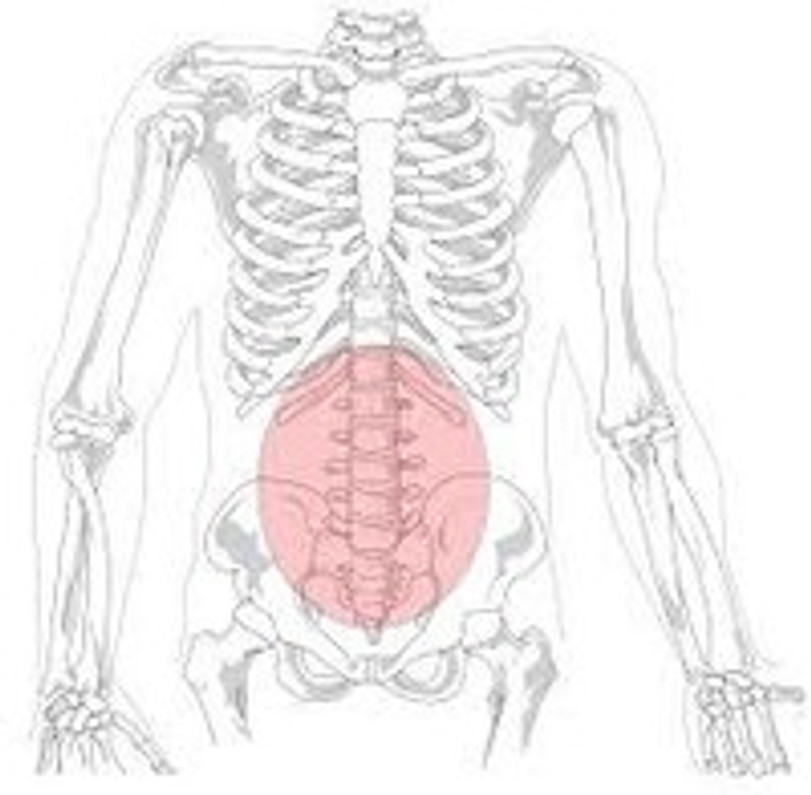
Musculoskeletal disorders (MSD) refers to a broad range of injuries involving the bones, ligaments, joints, tendons and/or nerves that supports either the limbs, neck or back. One of the most common types of MSDs is lower back pain, which often originates when workers constantly bend down to lift heavy objects. The right way to lift boxes and other objects is to bend your knees rather than your back, but unfortunately many workers fail to do so. To learn more about MSDs in the workplace and how they can be prevented, keep reading.
Health experts believe that MSDs are the second leading cause of disability worldwide. Being that they are classified as degenerative, MSDs typically worsen unless properly treated. This can make it difficult and even dangerous for employees to continue working in their current position. Going back to the example mentioned above, a worker who continues to stress his or her back by lifting heavy objects incorrectly may wear down the supporting cartridge cushioning their vertebrae. When this occurs, the bone-on-bone contact can lead to extreme pain, discomfort and limited mobility.
But back pain is only one of the many different types of MSDs. Repetitive strain injuries (RSI) such as carpal tunnel syndrome are also classified as MSDs. Workers who are forced to type for long periods of time day after day have a high risk of developing carpal tunnel syndrome. The constant typing motion wears down the joints in the fingers, resulting in pain and discomfort.
So, how can you prevent work-related MSDs? The solution is ergonomics. The Centers For Disease Control and Prevention (CDC) defines ergonomics as the following:
"Ergonomics is the scientific study of people at work. The goal of ergonomics is to reduce stress and eliminate injuries and disorders associated with the overuse of muscles, bad posture, and repeated tasks. This is accomplished by designing tasks, work spaces, controls, displays, tools, lighting, and equipment to fit the employee´s physical capabilities and limitations."
In other words, the goal of ergonomics is to fit the environment of a workplace to meet the unique needs of its workers. This may include the use of anti-fatigue mats in workstations, setting up hydraulic lift machines to carry heavy objects, implementing regular break schedules, improving heating/air, etc.
Have you ever experienced a musculoskeletal disorder? Let us know in the comments section below!
Recent Posts
-
Cut Gloves: How to Choose the Right ANSI Level
A hand-protection program works best when it starts with the task, not a product label. A packaging …Oct 5th 2026 -
Kevlar Gloves. Cut, Heat, and Task-Specific Selection
Choosing hand protection by material name alone can leave a serious gap in your safety program. Star …Oct 2nd 2026 -
Face Shield for Grinding: Selection and Safety Guide
Grinding can send fragments, sparks, dust, and other debris toward a worker's face in an instant. Th …Sep 30th 2026