
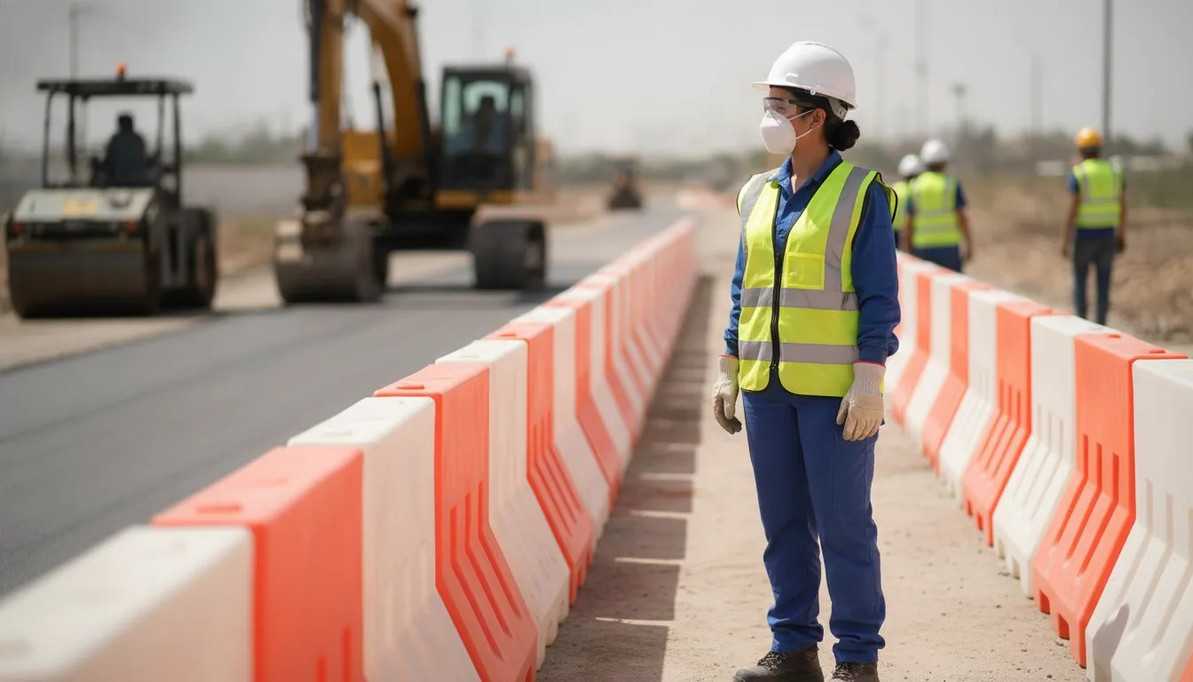
Safety Vest Guide: ANSI Classes and Fit Tips.
On a busy jobsite, a high-visibility garment is part of a worker-protection plan, not simply a bright layer. Construction crews, roadwork teams, warehouse operators, utilities, and industrial facilities must account for traffic exposure, lighting, background conditions, movement, and the other PPE workers already wear.
Choosing a safety vest starts with the employer's hazard assessment and the applicable OSHA and ANSI requirements, then moves to the garment's labeled performance class, visibility materials, fit, and job-specific features. ANSI/ISEA 107 specifies requirements for the amount, color, and placement of background and retroreflective materials: review the standard details before treating any garment as suitable.
The right selection helps drivers, equipment operators, and coworkers detect people sooner, while the wrong fit or hidden reflective material can undermine visibility. Begin by understanding what the vest is designed to do, then match its class, type, and construction to the work environment.
Review ANSI Class 2 safety vest options
What Does a Safety Vest Do on the Jobsite?
A safety vest helps workers stand out from the visual background so equipment operators, drivers, coworkers, and responding personnel have a better opportunity to detect them. That function is called conspicuity. It is not created by brightness alone. A useful safety vest combines materials, colors, and placement selected for the conditions in which people work.
The relevant design framework is ANSI/ISEA 107, which specifies minimum amounts, colors, and placement of background, retroreflective, and combined-performance materials for high-visibility garments. Treat the standard as a starting point for selection, not as proof that every bright garment is suitable. Before issuing a vest, compare its label and manufacturer documentation with the employer's hazard assessment and applicable worksite requirements.
How does a vest improve daytime visibility?
During daylight, fluorescent background material can create contrast against common jobsite surroundings such as pavement, soil, concrete, equipment, and structural materials. The value depends on the surrounding colors, shadows, weather, and how much of the garment remains visible while the worker moves. A vest covered by a jacket, tool belt, harness component, or other equipment may not provide the visibility intended by its design.
Hazard assessment should therefore consider more than the worker's job title. Ask where people will stand, what vehicles or machinery will approach them, whether the background is visually complex, and whether workers need to be recognized from multiple directions. Also consider whether the vest will be worn over the layers and PPE required for the shift.
Why does low-light visibility require retroreflective material?
Fluorescent material is most useful when there is enough ambient light. In darkness or reduced light, retroreflective trim is designed to return light toward its source, such as vehicle headlights. A field study indexed by PubMed found that personal safety garments with retroreflective trim significantly improved pedestrian conspicuity in work zones.
The same research found that trim configuration, color, placement, and driver age affected conspicuity. It also emphasized the importance of trim on garment sleeves. This supports evaluating the complete garment design rather than judging a vest by one reflective strip on the front. For workers who turn, reach, or walk near moving traffic, visibility from the sides and rear deserves specific attention.
Finally, do not use appearance as a substitute for documentation. A hazard assessment should identify the exposure, lighting, traffic, background, and required visibility performance. Then verify that the selected vest's marking and manufacturer information support that decision before adding it to the site's PPE program.
Which Safety Vest Class and Type Fits the Work?
Class and type are useful buyer shorthand. They are not interchangeable labels. Class generally describes the garment's visibility design and amount of visible material. Type adds the work setting the garment is intended to address. ANSI/ISEA 107 identifies three performance classes based on visible materials and garment design. It also identifies Type O, Type R, and Type P for off-road, roadway or temporary traffic control, and public safety activities. Review the CDC's ANSI/ISEA 107 overview when building your procurement requirements.
The table below is a practical starting point, not a substitute for a site-specific decision. A retailer's description can help explain how products are commonly organized. But competitor copy is not a regulation and does not establish that a garment is compliant for your operation.
| Designation | Buyer shorthand | Common work context | What to verify before purchase |
|---|---|---|---|
| Class 1 | Lower visibility design | Work areas with less traffic exposure may be considered. | Confirm that the employer's hazard assessment and the applicable standard permit this class for the specific task and location. |
| Class 2 | Increased visibility for more complex conditions | Often evaluated for complex backgrounds or roadway activity. | Check the garment label, manufacturer documentation, required design features, and whether the product is intended for the site's exposure. |
| Class 3 | Very high visibility design | May suit work with greater visibility demands. | Verify the complete garment configuration and documentation. Do not assume that a vest alone supplies every feature associated with a Class 3 ensemble. |
| Type O | Off-road | Off-road activities, where the work environment and vehicle exposure differ from roadway traffic control. | Confirm that the off-road designation matches the actual hazards and the employer's written PPE requirements. |
| Type R | Roadway and temporary traffic control | Roadway, construction, utility, and temporary traffic-control settings where moving vehicles are part of the risk picture. | Verify the required class, type, label, and manufacturer documentation for the work zone and traffic conditions. |
| Type P | Public safety | Public-safety activities, including work by personnel whose operating environment requires that designation. | Use the applicable public-safety requirements and agency policy. Do not select solely from a marketing category. |
For many construction and roadway buyers. The practical question is not simply. "Which class is brightest?" It is whether the complete garment suits the worker's exposure, background, lighting, movement, and visibility needs. A roadway worker may need to evaluate both class and Type R. An employee moving equipment inside a facility may face a different assessment, even if both workers wear a high-visibility safety vest.
Keep three checks together during purchasing. First, identify the applicable standard and any customer, agency, or project requirement. Second, document the employer's hazard assessment, including vehicle movement, sightlines, work hours, and nearby hazards. Third, inspect the actual product label and manufacturer documentation before issuing it. Color, reflective trim, a product title, or a catalog filter cannot establish compliance by itself.
Safety Company lists products for different work environments, including ANSI Class 2 safety vests. Treat each product page as a purchasing lead, then confirm the exact garment labeling and documentation against your written requirements. This approach helps EHS teams avoid buying a vest that looks appropriate but does not match the hazards or standard governing the job.
How Should You Choose Color and Reflective Material?
Color and reflective trim serve different visibility functions, so evaluate them as a system rather than choosing the brightest-looking safety vest. Fluorescent background material helps a worker stand out in daylight and against complicated visual backgrounds. Retroreflective material is intended to return light toward its source, which matters when workers are exposed to vehicle headlights, portable lighting, or other low-light conditions.
ANSI/ISEA 107 addresses more than a garment's general appearance. The standard specifies minimum amounts, colors, and placement of background, retroreflective, and combined-performance materials on high-visibility garments. That means a vest can look bright and still fail to meet the requirements that apply to a particular job. Check the garment label and manufacturer documentation, then compare them with the employer's hazard assessment and site requirements. Do not treat color alone as proof of ANSI compliance.
How do background color and reflective trim work together?
Start with the daytime scene. Yellow and orange fluorescent materials are common because they create strong contrast against many worksite backgrounds. But the best choice depends on the surrounding equipment, pavement, vegetation, lighting, and other visual conditions. A color that blends into a facility's walls, vehicles, or stored materials may provide less useful contrast than buyers expect. Consider whether workers need to be distinguished from traffic-control devices, machinery, or other personnel.
Then evaluate the reflective pattern. Research on pedestrian conspicuity in work zones found that retroreflective trim significantly improved visibility. The study also found that trim configuration, trim color, placement, and driver age affected conspicuity. Trim on the torso can help define the worker's outline. Material on sleeves or other areas that move with the body can make a person easier to recognize as a person rather than a static object. Review the complete design instead of judging a narrow strip in isolation.
Why is 360-degree visibility important?
Workers rarely remain facing the same direction. Look for a continuous or well-distributed pattern that remains visible from the front, back, and sides when the vest is worn correctly. Some product descriptions advertise 360-degree reflective strips, but buyers should still inspect the actual garment construction and verify the product documentation. Make sure tool belts, harnesses, jackets, backpacks, or other equipment will not cover required reflective areas. A highly visible front panel does not compensate for poor side or rear visibility in a busy work zone.
Black, blue, pink, and other nonstandard colors may be appropriate for low-risk indoor uses when ANSI compliance is not mandatory, depending on the employer's policy and hazard assessment. They cannot be assumed suitable where high-visibility apparel is required. Even a black safety vest with reflective tape does not automatically meet an applicable standard. If your worksite requires a documented high-visibility garment, select a product with the required labeling and supporting documentation. For a practical yellow option, review this hi-visibility yellow safety vest and confirm its specifications fit your job before ordering.
How Should a Safety Vest Fit Over PPE and Layers?
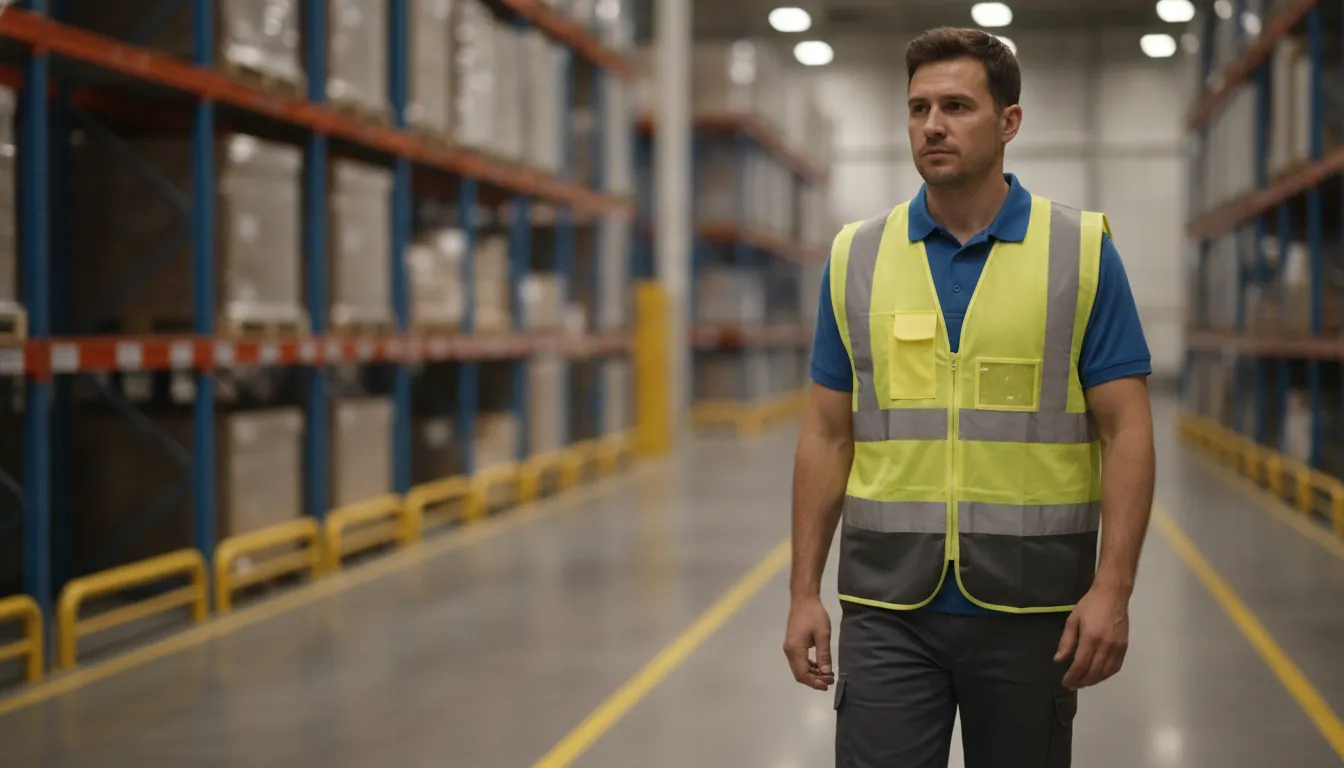
A safety vest should sit securely over the work clothing and PPE a worker actually uses, without restricting movement or hiding its visibility materials. Start with the worker's chest and torso measurements while wearing the base layers normally used on the job. Then account for seasonal clothing, a sweatshirt, a harness, or other required equipment. A vest that fits over a T-shirt may bind across the shoulders when worn over a jacket. An oversized vest can catch on equipment or shift out of position.
Use the manufacturer's measurements rather than relying on a generic size label. The exact product size chart should always control the selection because sizing, cut, and adjustment ranges vary by garment. A team ordering for several workers should collect measurements and record preferred sizes instead of assigning every person the same size based only on a uniform order.
What should workers check when trying on a vest?
Have the worker raise both arms, reach forward, bend, climb, and turn the torso. The vest should remain centered and closed without pulling across the chest, shoulders, or back. Closures should engage fully and stay secure during normal movement. Adjustable side tabs or straps can help accommodate different layers, but they should not be tightened so much that they compress clothing or interfere with a harness. Check that the lower edge does not ride up and that the arm openings allow the worker to operate tools safely.
Pocket placement matters, too. Load pockets with the small tools, radio, or identification items the worker normally carries, then repeat the movement check. Heavy or uneven pocket loads can pull the vest off center and cover reflective areas. Keep tools and accessories from obscuring required background material or reflective trim. An outer jacket, rain shell, backpack strap, or harness should not cover visibility elements that the employer expects to remain visible. If layering makes those elements disappear from the front, back, or sides, select a larger compatible garment or a layering system designed for that PPE combination.
Which vest materials and fits work in warm conditions?
Breathable fabric and an ergonomic cut can improve comfort during long shifts, but comfort should not replace a documented visibility decision. A breathable mesh safety vest may be a practical option for hot-weather work or for workers who need airflow over a lighter base layer. Review its product labeling and size chart before issuing it, particularly when it will be worn over additional PPE.
Offer women's fits and big-and-tall options when they provide a better match for the worker's body and required layers. The cited safety-vest collection lists options from small through 7XL, including women's, adjustable, and big-and-tall fits, but that range is not universal. Confirm the exact garment's measurements, closure design, and documented visibility features. A proper fit improves consistent wear, preserves coverage during movement, and helps workers keep the vest positioned correctly throughout the shift.
When Do Weather, Breakaway, or Flame-Resistant Features Matter?
Weather and garment-construction choices can determine whether workers keep required visibility throughout a shift. Start with the conditions identified in the employer's hazard assessment, then select a garment whose label and manufacturer documentation support that use. A safety vest that works well in a dry, mild warehouse may not be the right choice for an exposed road project in rain, cold, or changing temperatures.
How should rain and cold affect vest selection?
Rain can reduce comfort, restrict movement, and change how workers use their outer layers. Before issuing a vest for wet work, confirm whether the specific product is intended to be worn in those conditions and review its care and use instructions. Do not assume that a bright color, reflective trim, or a water-resistant-looking surface establishes a particular weather performance.
Cold-weather teams often wear a vest over a jacket, sweatshirt, or other layers. Size the garment for the clothing workers will actually wear, not only for a summer shirt. Check that the vest closes securely without compressing the layers, allows normal arm and shoulder movement, and keeps required visibility materials exposed. If a coat or rain shell will cover reflective elements, the team may need an outer garment designed for visibility rather than a vest worn underneath it.
For hot or humid work, airflow can support comfort and consistent wear. A breathable mesh safety vest may be worth evaluating where the product's documented requirements and the worksite hazard assessment make it appropriate. Review the exact product details, sizing information, and labeling before approving it for a particular operation.
When can a breakaway feature be appropriate?
Breakaway construction is a site-policy decision, not an automatic upgrade for every worker. Some safety-vest collections offer breakaway styles, but the feature must be evaluated against the hazards around the worker. The likelihood of snagging, and the employer's rules for maintaining the garment during the task. Ask whether a vest that can release at designated points could create an unacceptable loss of visibility or protection in that environment.
Document who may use breakaway garments, when they are required, and how supervisors will check fit and condition. Workers should understand how the closures function and what to do if the garment releases. As with any PPE feature, rely on the product label and manufacturer documentation rather than appearance or a retailer category name alone. Breakaway and flame-resistant styles are listed among available safety-vest options, but that listing does not establish that every garment has either feature.
Why is flame resistance a separate requirement?
Flame resistance must never be inferred from high visibility. A fluorescent background and retroreflective trim address visibility, while flame resistance addresses a different hazard-control need. If workers may encounter flash fire, molten material, electrical arc, or another thermal hazard, the employer must identify the applicable hazard and performance requirement through its hazard assessment.
Then verify the garment's exact labeling, ratings if applicable, limitations, and manufacturer documentation. Do not treat a high-visibility safety vest as flame resistant because it is made from a particular-looking fabric. Has a reflective stripe, or appears in a flame-resistant product category. Procurement records should preserve the documentation used to approve the garment, and supervisors should ensure that layering does not undermine the required protection.
These checks help teams choose features for real exposure conditions instead of adding options that do not address the worksite hazard.
How Should Teams Care for and Replace Safety Vests?
A safety vest is part of the site's visibility control, so care and replacement should be handled as a documented PPE process rather than an occasional laundry task. The goal is to preserve the garment's visible and reflective materials, identify damage before issue, and remove any vest that no longer satisfies the employer's requirements. There is no universal replacement interval that applies to every vest or worksite. Use the garment condition, the manufacturer's instructions, and the job hazard assessment to make the decision.
- Start with the care label and manufacturer instructions. Read the label before washing, drying, treating stains, or making any repair. Materials, reflective trim, closures, and specialized performance features can have different care limits. Keep the instructions available to supervisors or the person responsible for the PPE issue process. A general recommendation cannot override the label for a specific safety vest. Check the care label before washing, as the cited care guidance advises.
- Wash gently only when the label permits it. If machine washing is allowed, use cold water, a gentle cycle, and mild detergent. Avoid bleach and fabric softener unless the garment's own instructions specifically allow them. These products may damage reflective tape, reducing the vest's visibility even when the fabric still looks usable. Do not assume that a vest that appears clean has retained its original visibility performance.
- Dry according to the label, with air drying as the cautious choice when directed. Follow the stated temperature and drying method. If the instructions call for air drying, use that method rather than substituting a high-heat cycle. The cited care guidance recommends air drying to help preserve visibility and durability. Do not iron, dry-clean, or apply other heat or chemicals unless the manufacturer permits it.
- Inspect every vest before issuing it. Make the inspection part of the check-in, laundering, and reissue workflow. Look at the background material and retroreflective trim for fading, heavy soiling, peeling, cracking, delamination, or loss of reflective surfaces. Examine seams and fabric for fraying, holes, tears, burns, and stretching. Test zippers, snaps, hook-and-loop closures, and breakaway points, if present. A closure that will not hold can allow the vest to shift or open during work.
- Check contamination and fit, not only visible damage. Remove a vest from issue when oil, chemicals, paint, biological material, or another contaminant cannot be removed under the label's approved process. Do not return a contaminated garment to service simply because its reflective strips remain bright. Also confirm that the vest still fits over the worker's required clothing without restricting movement or covering required visibility elements. If a vest has shrunk, stretched, or become unsuitable for the assigned worker, replace or reassign it through the site's PPE process.
- Replace based on condition and documented requirements. Take the garment out of service when damage, contamination, worn visibility materials, failed closures. Or poor fit means it no longer meets the employer's documented requirements or the applicable product instructions. Do not create a fixed replacement date unless the manufacturer, employer program, or site-specific assessment establishes one. Record recurring damage patterns so procurement can address storage, laundering, task assignment, or sizing problems. For industrial facilities, prompt replacement of damaged or worn PPE can help minimize downtime. Safety Company notes that orders placed by 3pm EST Monday through Friday qualify for same-day shipping, subject to the applicable order terms. Contact Safety Company if your team needs help identifying replacement options for an organizational order.
How Can Different Worksites Build a Safety Vest Buying Checklist?
A useful buying checklist starts with the worksite, not a product color or a bulk discount. OSHA and ANSI considerations are core concerns for safety managers and construction buyers, so document the hazards and visibility conditions before selecting a safety vest. Record whether workers are exposed to moving vehicles, equipment, nighttime operations, complex backgrounds, heat, weather, or other site-specific risks. Then confirm that the proposed garment's label and manufacturer documentation support the applicable requirements. ANSI/ISEA 107 specifies requirements for the amount, color, and placement of conspicuous materials, so appearance alone cannot establish compliance.
- Construction and roadwork: Identify traffic exposure, work-zone layout, lighting, and the visibility needs of workers who may be near vehicles. Confirm the required class and type on the garment documentation, and consider a product intended for roadway or temporary traffic-control applications when that matches the hazard assessment. Keep a written list of approved models so supervisors do not substitute an unverified garment during a rush order.
- Warehouses: Map forklift routes, loading docks, pedestrian crossings, storage aisles, and areas where backgrounds may be visually complex. Decide whether the vest must be worn throughout the shift or only in designated traffic zones. Check that the chosen fit allows bending, reaching, and lifting without loose fabric creating a snag concern. If ANSI compliance is required by the employer or site, verify the label rather than assuming a bright or reflective garment qualifies.
- Utilities: Account for roadside work, changing locations, weather, vehicle access, and the need to layer over other PPE. Add fit options that accommodate the actual workforce, including women-specific, adjustable, big-and-tall, or other sizing where available. For traffic-facing work, document why the selected class and type fit the exposure, then verify each replacement against the same criteria.
- Industrial facilities: Review machine traffic, lighting, heat, chemicals, contamination, and the conditions that can shorten garment serviceability. Keep replacement stock available for damaged or worn PPE so one missing garment does not create unnecessary downtime. Treat flame resistance as a separate hazard-control decision, and require manufacturer documentation when the hazard assessment calls for FR apparel.
Build the procurement record around the people who will wear the garments. Create a sizing roster from current worker measurements and the exact product size chart. Then order a practical number of spares for new hires, lost items, laundering, and damage. Do not cover required reflective elements with outer layers, tools, or loaded pockets. Store clean vests in a dry, designated location away from contamination, and assign someone to review stock levels before the next project or seasonal change.
For reordering, record the approved product name, class and type, size breakdown, color, supplier SKU, and minimum stock level. Inspect incoming garments for the required labeling and compare them with the approved sample. SafetyCompany.com is a specialized distributor of industrial safety equipment and PPE, not a manufacturer, so product-selection questions should be resolved through the product documentation and a knowledgeable supplier. Contact Safety Company about product selection, sizing, or bulk-order support.
Frequently Asked Questions
Is a safety vest required by OSHA?
OSHA requirements depend on the worker's duties, traffic exposure, and site hazard assessment. OSHA does not universally require one vest class for every job. Employers should identify the applicable rule or work-zone practice, then select a labeled garment that meets the required specification and document the decision.
What are the requirements for a safety vest?
A compliant high-visibility garment should have the required background and retroreflective materials, colors, amounts, and placement for its intended use. ANSI/ISEA 107 describes these performance requirements for high-visibility apparel and vests. Verify the garment label and manufacturer documentation rather than judging compliance by color alone. CDC PPE Info, ANSI/ISEA 107 overview
What are the different types of safety vests?
ANSI/ISEA 107 identifies Type O for off-road use, Type R for roadway and temporary traffic-control activities, and Type P for public-safety activities. The standard also describes three performance classes based on visible material and garment design. Match the class and type to the hazard assessment, work environment, and employer requirements. CDC PPE Info, garment types and classes
Is a black safety vest legal?
A black or multicolor vest may be appropriate where ANSI compliance is not mandatory, but its appearance does not establish legal suitability or high-visibility compliance. For traffic exposure or other regulated work, confirm the required markings, materials, and documentation. If those requirements are not met, choose a properly labeled high-visibility garment instead.
How can workers stay comfortable in a safety vest?
Choose the correct size using the product's measurement chart, allow room for required layers, and select breathable mesh when site conditions support it. The vest should permit normal movement, remain secured, and keep reflective elements visible. Replace an uncomfortable fit that workers routinely leave open, remove, or cover with tools or outerwear.
Ready to Choose the Right Safety Vest?
The right vest should support your team's hazard assessment, visibility needs, and day-to-day work conditions. Review your required class, fit, layering, and documentation before placing a team order. For help comparing options or planning a bulk purchase, contact the Safety Company team with your workplace requirements and product questions.
Contact Safety Company about safety vest options
Recent Posts
-

Chemical Storage Cabinets for industrial work: use and compliance
Chemical storage cabinets help workplaces control access to hazardous materials and keep storage con …Oct 23rd 2026 -

How to Properly Wear a Safety Harness
Knowing how to properly wear a safety harness is only one part of protecting workers at height. The …Oct 23rd 2026 -

Safety Harness for facility and field teams
A safety harness is one part of a fall-protection decision, not a stand-alone answer to every work-a …Oct 22nd 2026