
Why Allergies Are Worse at Night
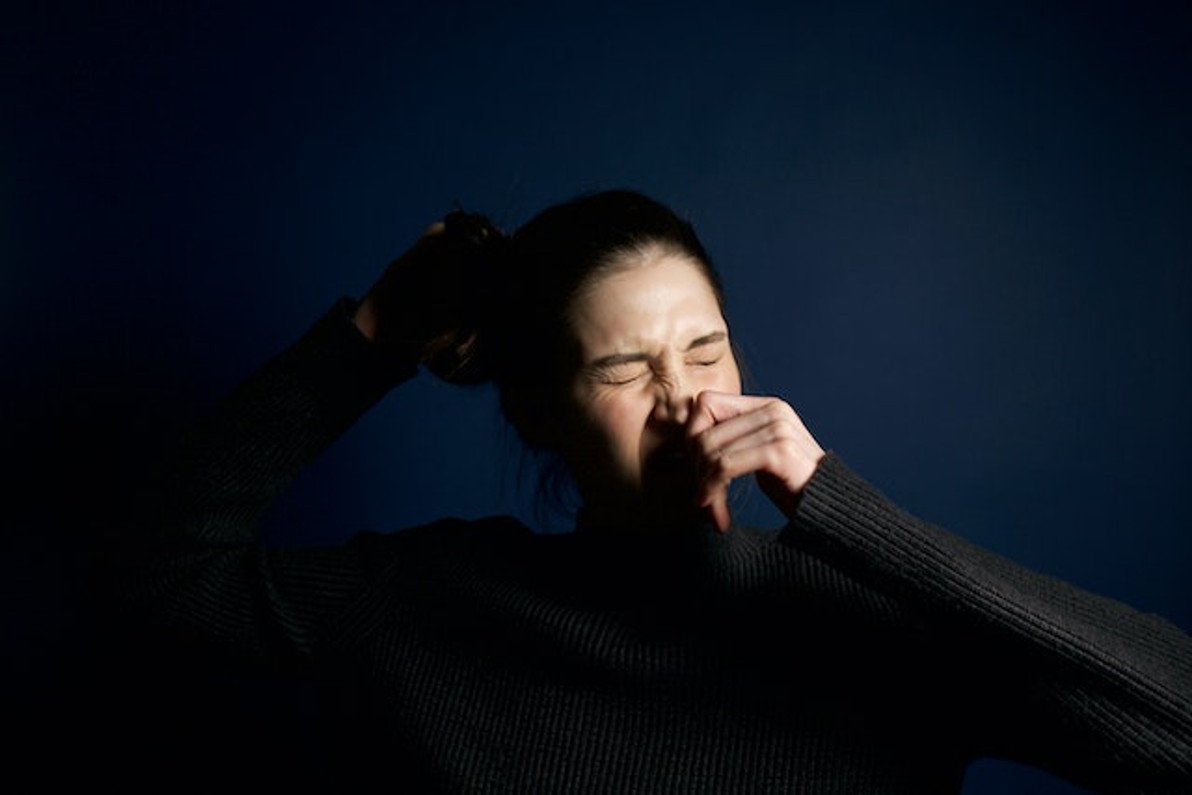
Are your allergies are worse at night? Over 27 percent of the U.S. adult population suffers from allergies, according to the Centers for Disease Control and Prevention (CDC). While allergies can strike at any time, they are often worse at night.
Allergens on Sheets and Linens
If your allergies are worse at night, you should consider changing your bed sheets and linens. You may experience allergies at night if they are dirty. Allergies are the result of exposure to an allergen. Maybe there's pollen on your bed sheets, or perhaps there are dust mites on them. When lying down at night, you'll be exposed to these allergens, which may manifest in the form of nighttime allergies.
The Air Is Drier
Another potential reason your allergies are worse at night involves humidity. The air is typically less humid at night than during the day. Dry air such as this promotes allergens. Allergens and float through dry air more easily than moist, humid air.
Higher Histamine Levels
Histamine is a natural chemical released by the immune system in response to allergens. It causes many of the symptoms associated with allergies, including itching, sneezing and watery eyes. Histamine levels are often highest at night, which can lead to more severe allergy symptoms during the twilight hours. The histamines in your body will trigger an allergic response.
Air Conditioning
You may experience allergies at night when running the air conditioning system in your home. Many people use air conditioning systems to cool their homes at night, especially during the scorching-hot summer months. However, air conditioning can also circulate stagnant air with allergens throughout your home. This can lead to increased exposure and more severe allergy symptoms.
Tips for Dealing With Nighttime Allergies
While you can't always avoid nighttime allergies, there are ways to deal with them. Since one of the leading factors of nighttime allergies is allergens on sheets and linens, you should regularly change them. Changing your bed sheets and linens at least once a week can make a world of difference in your nighttime allergies.
You should also change your clothes before lying down for bed. Don't go to sleep in the same clothes that you wore throughout the day. Even if they look clean, they may contain allergens. Changing into new clothes will keep your bed clean and allergen-free so that you sleep better at night.
Recent Posts
-

LOTO Explained: Lockout/Tagout Steps for Safer Maintenance
LOTO, short for lockout/tagout, is an energy-control process that prevents a machine from starting o …Oct 12th 2026 -

N95 Respirator Guide for Workplace Safety
Dust, mist, fumes, and other airborne particles can create serious exposure risks before a worker no …Oct 12th 2026 -
Cut Gloves: How to Choose the Right ANSI Level
A hand-protection program works best when it starts with the task, not a product label. A packaging …Oct 5th 2026