
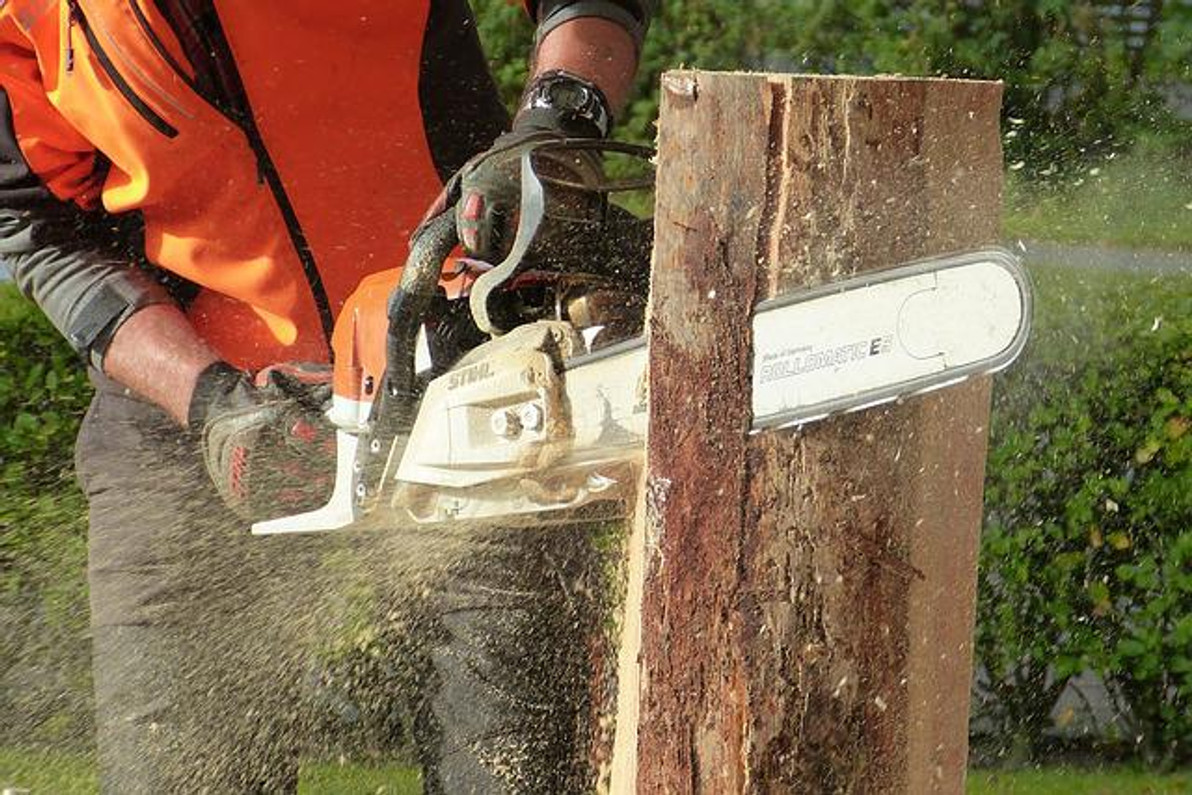
The Beginner's Guide to Chainsaw Maintenance
Do you own a chainsaw? If so, you'll need to maintain it. All chainsaws require maintenance. Neglecting your chainsaw may shorten its lifespan while increasing the risk of bodily injury. To avoid problems such as these, consider the following tips on how to maintain a chainsaw.
Change the Filter
Most chainsaws have a filter. The filter, of course, is designed to keep dirt, dust and debris out of the combustion chamber. Assuming you have a gas-powered chainsaw, it will likely have a combustion chamber. It will burn gas and air inside of this chamber to spin the chain.
Air must pass through the chainsaw's filter before reaching the combustion chamber. Over time, the filter may develop a thick layer of debris that restricts airflow. Therefore, you'll need to change it. Most experts recommend changing chainsaw filters at least once a year.
Check Lubrication
You should check to ensure your chainsaw is well-lubricated. Most chainsaws feature some type of lubricating liquid, such as oil. After cranking your chainsaw, the chain will automatically draw the lubricating liquid to reduce friction.
If your chainsaw has little or no lubricating liquid, it may suffer from premature wear and tear. Lubrication protects the chain from friction and heat. It will reduce friction while simultaneously wicking away heat.
Inspect the Spark Plugs
Another maintenance tip is to inspect the spark plugs. Gas-powered chainsaws have spark plugs. The spark plugs are responsible for creating the initial spark for the combustion chamber. They will essentially ignite the gas and air in your chainsaw's combustion chamber.
Spark plugs can wear out. As the gap between the two nodes at the top of a spark plug becomes wider, the spark plug may fail to create a strong spark. To maintain your chainsaw, you should inspect the spark plugs while paying close attention to these gaps.
Check Chain Tension
One of the most important things to do when maintaining your chainsaw is to check the chain tension. You can typically adjust the chain tension as needed. If it's too loose, you can tighten it. If the chain is too tight, conversely, you can make it looser.
Using the correct tension is essential to protecting against bodily injury. If the chain is too loose or too tight, it may fly off your chainsaw, which can result in serious bodily injury. To prevent this from happening, you need to check the chain tension while making the necessary adjustments to it.
Recent Posts
-

LOTO Explained: Lockout/Tagout Steps for Safer Maintenance
LOTO, short for lockout/tagout, is an energy-control process that prevents a machine from starting o …Oct 12th 2026 -

N95 Respirator Guide for Workplace Safety
Dust, mist, fumes, and other airborne particles can create serious exposure risks before a worker no …Oct 12th 2026 -
Cut Gloves: How to Choose the Right ANSI Level
A hand-protection program works best when it starts with the task, not a product label. A packaging …Oct 5th 2026