
How to Choose a Chainsaw: Things You Need to Consider
Are you looking to buy a new chainsaw? When compared to using a hacksaw or similar manually operating cutting tool, chainsaws are undoubtedly easier to use. They can quickly cut through trees and logs. Chainsaws, however, are available in different types. Below are several important things to consider when choosing a chainsaw.
Gas vs Electric
Most chainsaws fall under one of two categories: gas or electric. Gas chainsaws run on gasoline. They feature a tank that you'll need to fill with gasoline. Electric chainsaws, on the other hand, run on electricity. Some electric chainsaws are corded, meaning they require a corded connection to a wall outlet. Other electric chainsaws are portable. Rather than a cord, they feature a rechargeable battery.
In terms of cutting power, gas chainsaws come out on top. They are significantly more powerful than both corded and battery-powered electric chainsaws. Gas chainsaws, however, typically cost more. Regardless, you should consider whether a chainsaw runs on gasoline or electricity before buying it.
Length of Cutting Bar
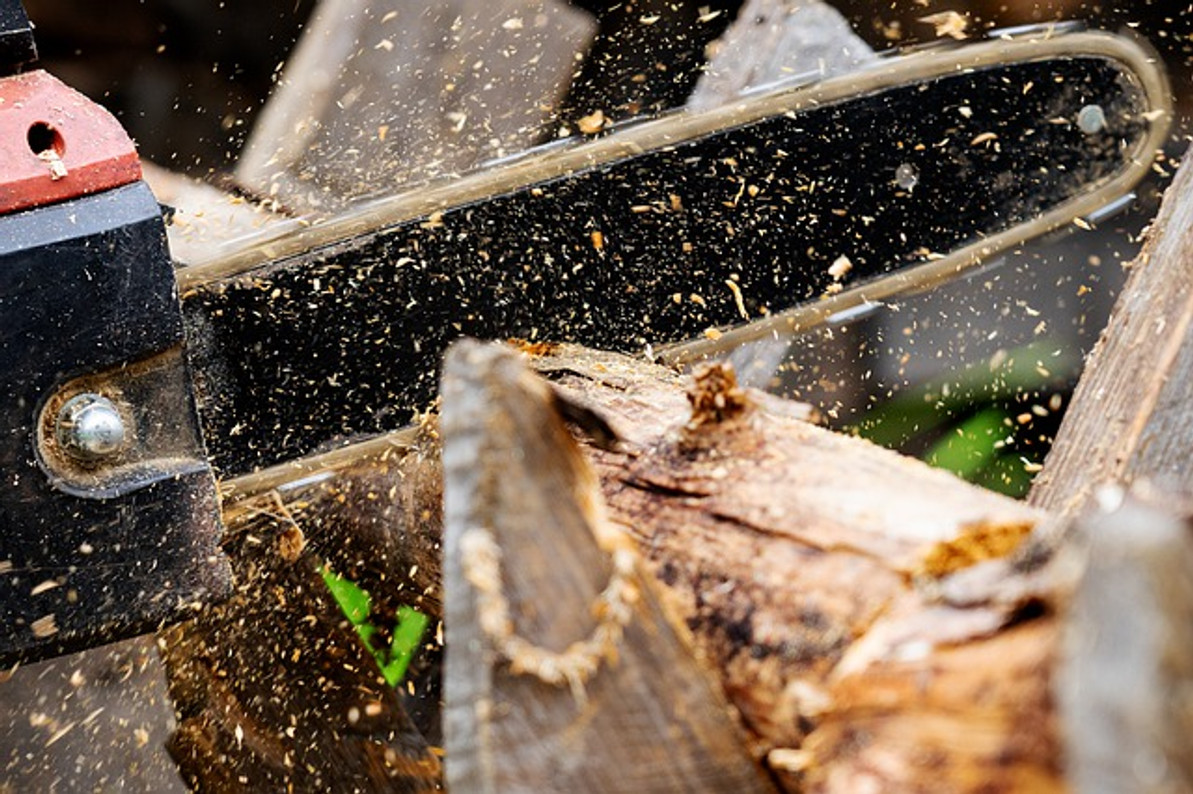
Something else to consider when choosing a chainsaw is the length of the cutting bar. The cutting bar is the long extension that features a track of teeth. As the teeth turn around the cutting bar, they'll cut through wood.
Chainsaws are available in different cutting bar lengths. Some of them have a 14-inch cutting bar. Other chainsaws have a 20-inch or longer cutting bar. A long cutting bar will allow you to easily cut through thick trees and logs. With that said, chainsaws with a short cutting bar are usually easier to handle.
Two-Stroke vs Four-Stroke
For chainsaws with a gas engine, you'll need to choose between two stroke and four stroke. Two-stroke chainsaws make one complete revolution to generate a power stroke. They essentially have two stages.
Four-stroke chainsaws, as you may have guessed, have four stages. The first stage is a stroke draw that sucks up gasoline. The second stage is an upward stroke that expels the combustion chamber. The third stage is a stroke straw that sucks up more fuel before igniting it. The fourth and final stage is an upward stroke that pushes combustion gases out of the combustion chamber.
Motor CCs
You should consider the cubic capacity (CC) of the motor when choosing a chainsaw. CCs is a measurement of motor power. It represents the displacement of a motor.
The higher a chainsaw's CCs, the more power its motor will produce. For commercial cutting applications, you'll want to choose a chainsaw with a powerful motor. CCs is the best way to measure motor power. For non-commercial cutting applications, conversely, a smaller chainsaw with a weaker motor may suffice.
Recent Posts
-

LOTO Explained: Lockout/Tagout Steps for Safer Maintenance
LOTO, short for lockout/tagout, is an energy-control process that prevents a machine from starting o …Oct 12th 2026 -

N95 Respirator Guide for Workplace Safety
Dust, mist, fumes, and other airborne particles can create serious exposure risks before a worker no …Oct 12th 2026 -
Cut Gloves: How to Choose the Right ANSI Level
A hand-protection program works best when it starts with the task, not a product label. A packaging …Oct 5th 2026