
SafetyBlog

Anti-Fatigue Mats In The Workplace
Each year, millions of employees are injured on the job. Some of these injuries may include slip-and-falls, burns, cuts, bruises, overexertion, strained muscles and a variety of foot problems. While there's no way to completely prevent all forms of accidents from occurring, there are precautions companies can take to improve the safety of their workplace. Using anti-fatigue mats is just one of the many ways companies and businesses can reduce the chance of a work-related accident.What Is an Anti
…
Feb 5th 2014
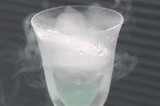
Safety Tips For Handling Dry Ice
With an average temperate of -109 degrees Fahrenheit, dry ice is a powerful cooling agent that's commonly used to preserve food, remove warts or skin tags, carbonate liquids, and more. Due to its exceptionally cold temperature, however, individuals handling or working with dry ice should follow some basic safety precautions to prevent injury. There have been hundreds of hospital emergency room visits caused by this substance.What Is Dry Ice? Technically, dry ice is nothing more than carbon diox
…
Feb 4th 2014

OSHA Launches New Website For Hospital Staff Safety
The Occupational Safety and Health Administration (OSHA) recently launched a new website designated strictly for work-related injuries in hospitals and other care facilities. Most people don't think of hospitals as being a hazardous workplace. However, the OSHA claims that 253,700 hospital injuries occurred in 2011, which is nearly twice the injury rate as other private industries.The OSHA hopes to improve these numbers with the launch of their new website, https://www.osha.gov/dsg/hos
…
Jan 29th 2014
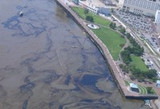
Senators Introduce Chemical Spill In The Wake of West Virginia Incident
Earlier this month, we blogged brought you news of a major chemical spill in West Virginia, which left some 300,000 residents without clean water. Businesses were forced to shut down, schools closed, and the local hospitals were receiving hundreds of complaints from people who unknowingly drank the contaminated water. The situation was so bad that President Obama declared it a federal emergency, sending the National Guard in to offer assistance.West Virginia authorities lifted the tap water ban
…
Jan 29th 2014
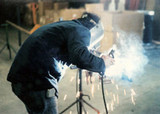
5 Things Not To Do When Welding
Welding is the process of using extreme temperatures (oftentimes as high as 5,600 degrees Fahrenheit) to cut through metal and/or connect multiple pieces of metal together. Due to these extreme temperatures, welding creates a unique set of hazards that workers need to be aware of.Picking up and using an arch welder without any prior experience or education places you at risk of serious injury. For a list of the top 5 things you should never do when welding, keep reading.#1) Welding In a Poorly V
…
Jan 26th 2014