
SafetyBlog

Nail Gun Safety: What You Should Know
Nail guns first entered the commercial market over half a century ago in 1950s. Today, there are dozens of different models available, including pneumatic, butane and propane-powered. However, they all serve the same basic purpose: to drive nails into wood and other suitable materials. Like all power tools, though, there's an inherit risk of injury when using a nail gun.How Common Are Nail Gun InjuriesEach year, thousands of workers are injures as a result of improper nail gun use. The Centers F
…
Feb 4th 2015

Safety Tips To Follow When Working In The Cold:
Now that we're in the middle in the winter season, millions of people are experiencing bitterly cold temperatures. If you're lucky enough to work inside a heated building or office, the cold weather shouldn't affect you. However, workers who are forced to stay outdoors during this time of year are at risk of developing hypothermia and other related health problems.The Dangers of Working In Cold EnvironmentsThe greatest concern of working in the cold is the potential for hypothermia. This conditi
…
Feb 4th 2015
Crystalline Silica and Silicosis: What You Should Know
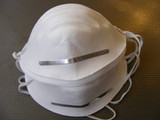
Crystalline silica is one of the most common minerals found on Earth. It's used in wide variety of applications, including glass production, foundries, construction, ceramic, roads, rubber, plastic and more. However, exposure to fine, dust-size particles of crystalline silica can lead to a non-curable respiratory disease known as silicosis.According to the Occupational Safety and Health Administration (OSHA), nearly 2 million U.S. workers are exposed to crystalline silica, 100,000 of whom have "
…
Feb 1st 2015
How To Reduce The Risk of Infectious Illness In The Workplace
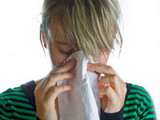
According to the Centers For Disease Control and Prevention (CDC), between 5 and 20% of the U.S. population will catch the flu virus this year, while the average adult will catch between 3-4 cold viruses (source). Unfortunately, workplaces are a haven for infectious bacterial and viral illnesses. When a person is sick, he or she may continue to work, placing the health of other workers at risk. So, how can you reduce the risk of infectious illness in the workplace?First and foremost, it's import
…
Jan 29th 2015

OSHA's New Injury Reporting Rule Now In Effect
The Occupational Safety and Health Administration's (OSHA) new injury reporting rule took effect on January 1, 2015. If you're an employer, you should familiarize yourself with the changes made to this rule. Failure to follow the new guidelines could result in fines or other penalties.Up until now, employers were only required to report fatalities and injuries involving three or more workers. As of January 1st, however, all fatalities, injuries that require hospitalization (regardless of how man
…
Jan 28th 2015