
What Are Blowers and How Are They Used in the Workplace?
Workplaces often suffer from high levels of air pollution. According to the U.S. Environmental Protection Agency (EPA), levels of indoor spaces contain about two to five times more airborne pollutants than outdoor spaces. Because workplaces are typically indoors, they tend to suffer from high levels of air pollution. You can create a cleaner workplace with less air pollution, though, by investing in a blower.
Overview of Blowers
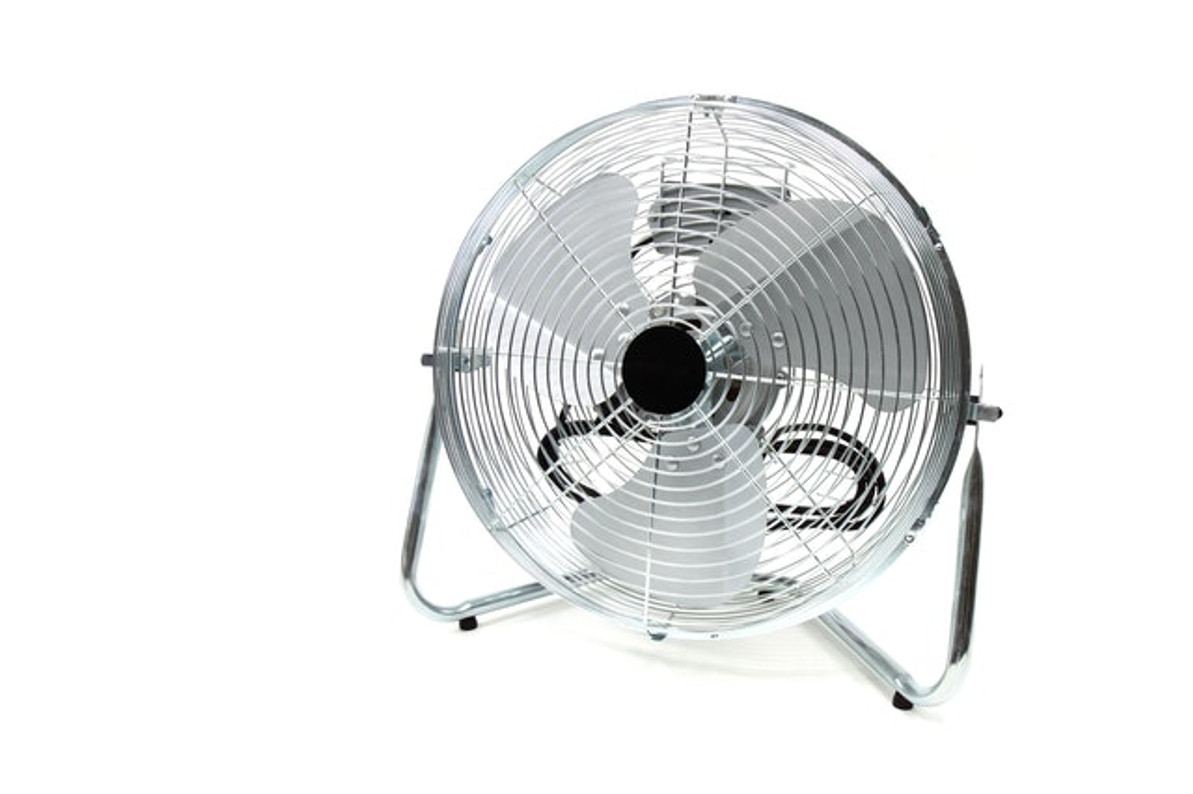
A blower is a motorized device that's designed to supply a space with air. They consist of a motor and a fan, the latter of which features propeller-like blades. When turned on, the motor will power the fan so that the blades spin. The spinning blades will then force air through a duct before supplying the air to a given space.
Why Blowers Are Important in the Workplace
As previously mentioned, workplaces often suffer from high levels of air pollution. Dust, for instance, is a common type of airborne pollutant in workplaces. Many workplaces, particularly those that handle wood, contain a lot of dust. When left unchecked, all of this dust can take a toll on workers' health. Fortunately, a blower can remove airborne dust. Blowers work to increase airflow to a given space while simultaneously removing airborne pollutants from that same space.
Some workplaces have hazardous chemicals in the air. Hazardous airborne chemicals and fumes are particularly common in the marine and steel-making industries. A blower, however, can safely remove hazardous airborne chemicals.
Tips on Choosing a Blower
While all blowers supply fresh air, they are available in different types. The motor, for instance, may be covered or exposed. A covered motor means that it will be protected against moisture-related damage. If the motor is exposed, conversely, it may succumb to damage when exposed to moisture.
There are high-output blowers available. High-output blowers live up to their namesake by moving air faster than their standard counterpart. They feature a more powerful motor than standard blowers. With this powerful motor, they move air more quickly from one space to another space.
The specific type of motor a blower uses can also vary. Many blowers use a centrifugal motor. Centrifugal motors are fast and efficient, making them a popular choice for industrial blowers. With that said, other blowers use a regenerative motor. Regenerative motors aren't as powerful as centrifugal motors, but they can work in low-pressure environments.
Recent Posts
-

LOTO Explained: Lockout/Tagout Steps for Safer Maintenance
LOTO, short for lockout/tagout, is an energy-control process that prevents a machine from starting o …Oct 12th 2026 -

N95 Respirator Guide for Workplace Safety
Dust, mist, fumes, and other airborne particles can create serious exposure risks before a worker no …Oct 12th 2026 -
Cut Gloves: How to Choose the Right ANSI Level
A hand-protection program works best when it starts with the task, not a product label. A packaging …Oct 5th 2026