
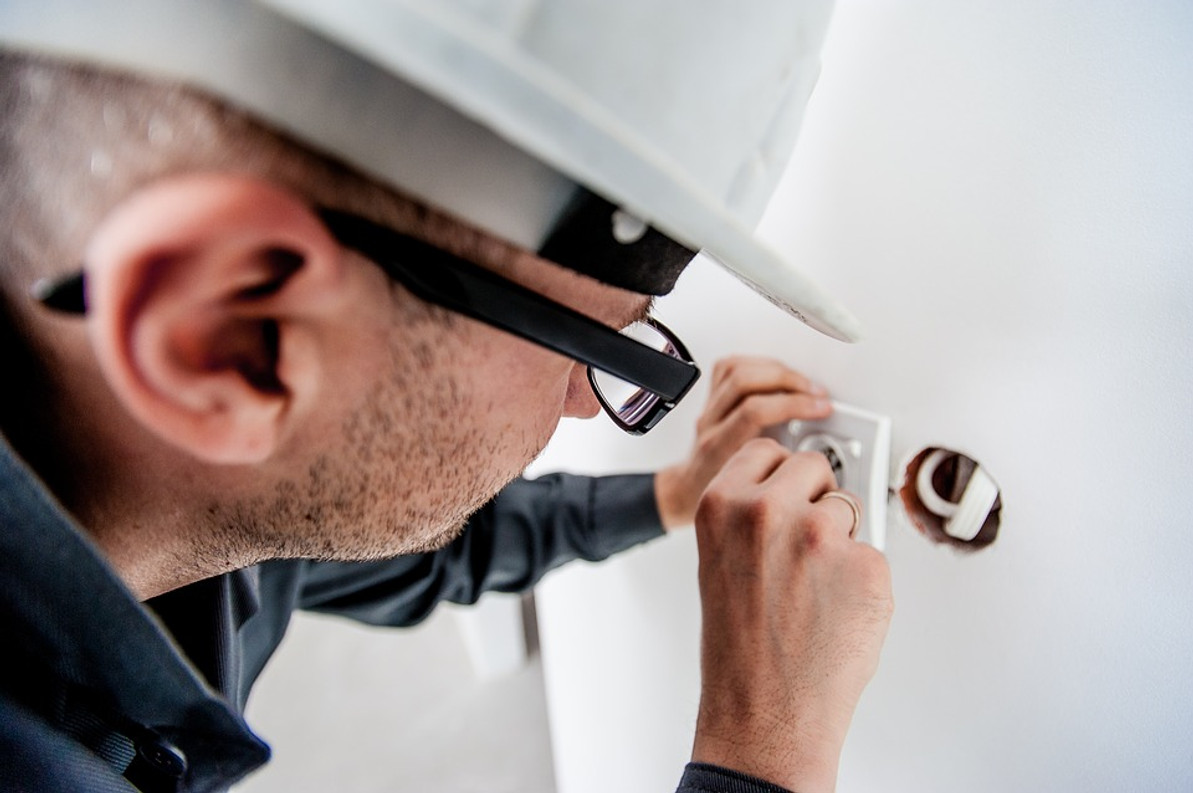
OSHA Warns About the Dangers of Electrical Work
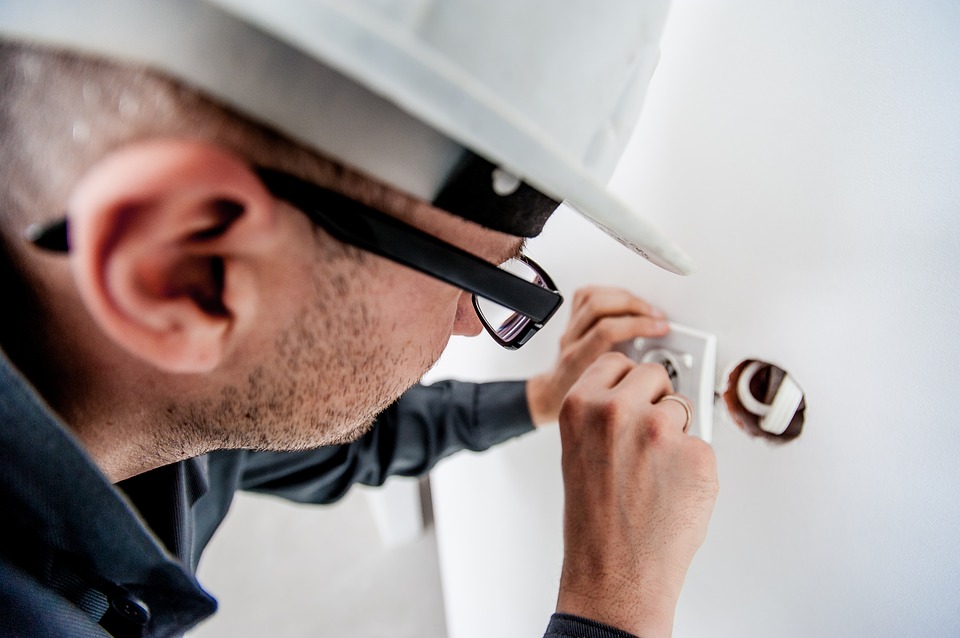
Working around electricity carries an inherent risk of injury. If you are exposed to 1 milliampere of electricity or less, you shouldn't feel it. If the amount of electricity to which you are exposed rises to over 1 milliampere, you'll feel a slight tingle. If you are exposed to 6 to 25 milliamperes (for women) or 9 to 30 milliamperes (for men) of electricity, you'll feel a painful shock along with loss of muscle control. And at 10,000 milliamperes or more, cardiac arrest and death may occur. As a result, the Occupational Safety and Health Administration (OSHA) has issued a warning about the dangers of working around electricity.
The Dangers of Working Around Electricity
According to OSHA, six electricians were electrocuted from 2012 to 2018. Electrocution, of course, occurs when a person is exposed to a fatal dose of electricity. While electrocutions in the electrical industry have decreased over the past few decades, it's still a concern -- and it's something OSHA is hoping to improve by raising awareness of electrical hazards.
“Working with electricity can be safe if employers provide workers with adequate training, and implement appropriate systems to reduce the risk of workplace injuries,” said OSHA's Kimberly Stille.
Electrical Safety Training
OSHA says that all electrical workers must be thoroughly trained on how to safely work around electricity. Specifically, electrical workers should know a few basic procedures, including how to de-energize equipment; how to use lockout and tag mechanisms to ensure that de-energized equipment remains grounded; how to use insulating personal protective equipment (PPE); and how to maintain a safe distance from electrically charged devices, wires and other compartments.
Request an On-Site Consultation
In addition to receiving the proper safety training, employers in the electrical industry can request a free on-site consultation with OSHA. You can learn more about OSHA's on-site consultation program by visiting its official website here. Basically, though, it allows employers of small- and medium-sized businesses to request an inspection of their workplace for potential safety hazards to ensure compliance with OSHA's standards.
Working around electricity can be dangerous, but there are ways to mitigate the risk of injury and fatality. This includes knowing how to de-energize equipment; use lockout mechanisms; wear insulating PPE; and maintain a safe distance from electrically charged objects. And for additional protection, employers should consider requesting a free-on site consultation from OSHA.
Recent Posts
-

Workplace Planning with Bump Cap vs Hard Hat
When weighing bump cap vs hard hat, start with the hazard, not the appearance, comfort, or price of …Oct 21st 2026 -
Ear Protection: Plugs, Muffs, and Communication
Choosing ear protection for a workplace is not just a matter of picking the product with the highest …Oct 21st 2026 -

LOTO Explained: Lockout/Tagout Steps for Safer Maintenance
LOTO, short for lockout/tagout, is an energy-control process that prevents a machine from starting o …Oct 12th 2026