
SafetyBlog

New Study Sheds Light on Importance of Sleep
How many hours of shut-eye do you get in a typical night? More than half of the United States adult population suffers from some type of sleep and/or wakefulness disorder, one of the most common being insomnia. It's frustrating when you can't fall asleep when you want to. Perhaps you lie in bed staring at the alarm clock for hours on end, or maybe you simply watch TV. Regardless, sleep is an important element in maintaining good health. A recent study has even found a direct link between lack of
…
Sep 7th 2016

Safety Glasses for Women and Children
Safety Glasses aren’t just designed for men anymore; now there are plenty of sleek designs for women and smaller fits for children. Through technological advances women and children can protect their vision for any task they may encounter. Women today are more busy than ever before, whether it be working the same jobs as their male counterparts or staying home to work on craft projects, they need to protect their eyesight. It’s the same for kids, from projects at school to playing some sports, t
…
Sep 6th 2016
Grilling Safety Tips to Follow this Labor Day
In case you didn't get the memo, today is Labor Day. Held annually the first Monday in September, it's dedicated to the millions of hard-working men and women who keep this country running. Of course, one of the most popular pastimes for Labor Day is grilling. But if you plan on grilling, there are a few safety rules you should follow to reduce the risk of injury and illness.Check Wire Grill BrushWhen was the last time that you checked your wire grill brush? It's a good idea to always check wire
…
Sep 5th 2016
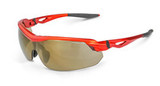
Why Wearing Proper Shooting Glasses is an Absolute Must
You’ve heard the stories, whether from a friend, family member or maybe even a stranger at the shooting range; the stories about eye injuries or near misses from ricocheting bullets or shrapnels, sending hazards flying into or at least grazing eyes, eyelids, under-eyes, and more. Hunters and outdoorsmen have even been injured by twigs and branches ricocheting or just obstructing their paths as they make their way through the woods, all due to lack of proper eye protection. You may think that thi
…
Sep 4th 2016

Is Dieting or Exercise More Effective at Protecting Against Heart Disease?
Heart disease remains the leading cause of death among men and women in the United States. According to the Centers for Disease Control and Prevention (CDC), some 600,000 Americans die from heart disease each year.While there's no magic pill to fully protect against heart disease, both diet and exercise can significantly lower the risk. But you might be wondering which is more effective: dieting or exercising? Well, researchers recently embarked on a quest to answer to this question.For the stud
…
Sep 1st 2016