
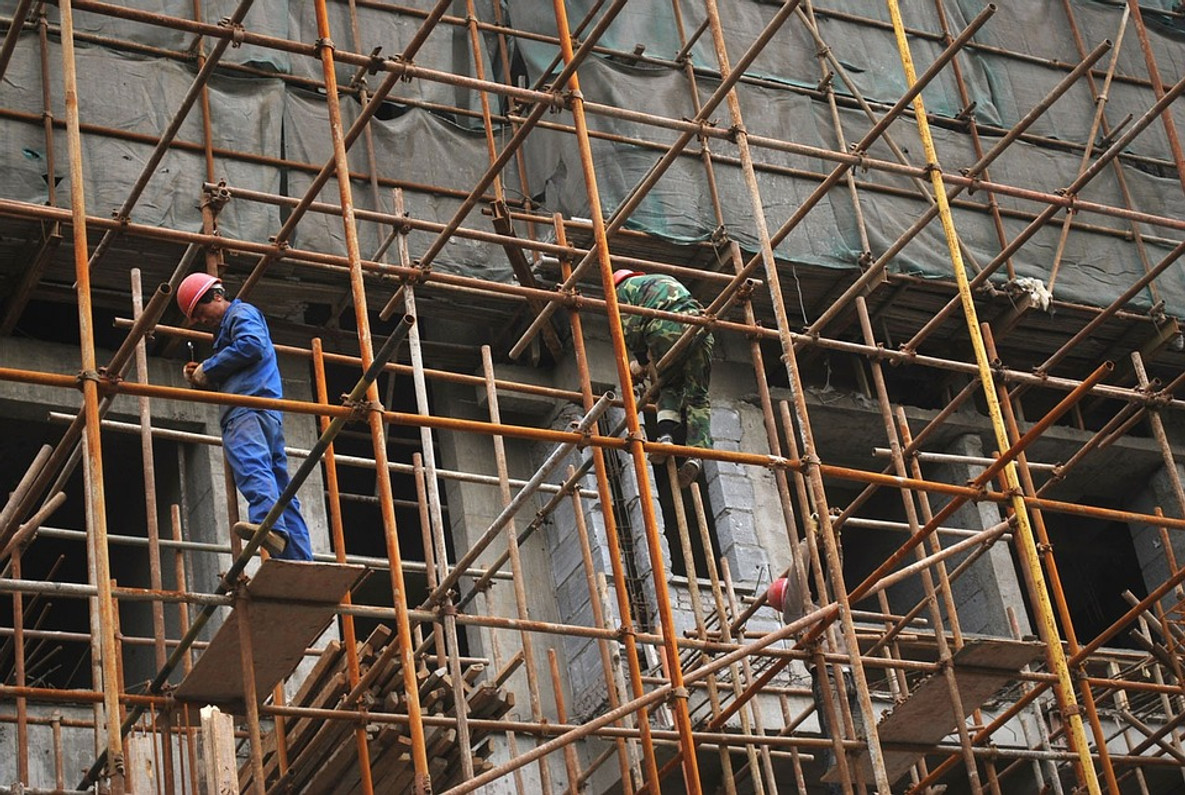
6 Safety Tips to Protect Against Falls When Working at Heights
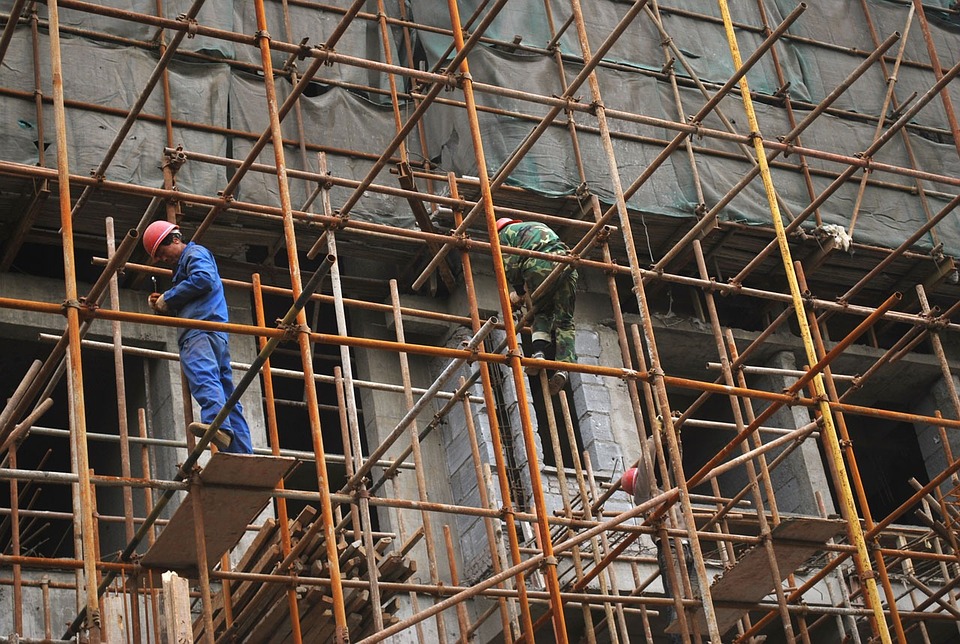
Falls remain one of the leading causes of injury as well as fatality in the workplace. According to the Bureau of Labor Statistics (BLS), falls are responsible for 5% of all workplace fatalities for women and 11% for men. Statistics such as these attest to the dangers of working at heights. However, there are ways to stay safe and prevent falls when working at heights.
#1) Be Conscious of Footing
Be conscious of where your feet are placed when working at heights. If there's an opening on the scaffolding -- or if the scaffolding is shorter than you realize -- you may end up stepping onto an open area, which can cause you to fall. By being conscious of your footing, you can avoid misplaced steps that could otherwise send you to the hospital.
#2) Maintain 3 Points of Contact When Using a Ladder
It's not uncommon for workers to use a ladder to reach an elevated working area. Whether you're ascending or descending, though, always maintain three points of contact when using a ladder. In other words, either both of your feet and one of your hands or both of your hands and one of your feet should touch the ladder at all times.
#3) Wear PPE
Of course, you should wear the appropriate personal protective equipment (PPE) when working at heights. PPE isn't optional; it's a requirement -- and it's particularly important when working at heights because it acts as a fail safe to minimize the risk of injury if you happen to fall. Check out this Occupational Safety and Health Administration (OSHA) article for more information on fall-related PPE.
#4) Inspect Scaffolding
If you're using scaffolding, it's a good idea to inspect it to ensure that it's structurally sound. If a section is loose or otherwise not secure, don't use the scaffolding. Only use scaffolding that's structurally intact and properly constructed.
#5) Hold Railings
Assuming there are railings nearby, you should hold them to reduce your risk of falling. By holding the rails with one or both hands, you are less likely to fall.
#6) Avoid Working During Bad Weather
Bad weather can significantly increase the risk of falling when working at heights. If there's a severe storm rolling through and you're stuck 20 feet or higher above the ground, the strong wind and rain can make it difficult to safety work. As a result, it's best to err on the side of caution by not working at elevated heights during bad weather.
Recent Posts
-
Face Shield for Grinding: Selection and Safety Guide
Grinding can send fragments, sparks, dust, and other debris toward a worker's face in an instant. Th …Sep 30th 2026 -
Prescription Safety Glasses: Workplace Guide
Prescription safety glasses help employees maintain clear vision without giving up protection from w …Sep 10th 2026 -
Safety Vest Guide: ANSI Classes and Fit Tips.
On a busy jobsite, a high-visibility garment is part of a worker-protection plan, not simply a brigh …Sep 8th 2026