
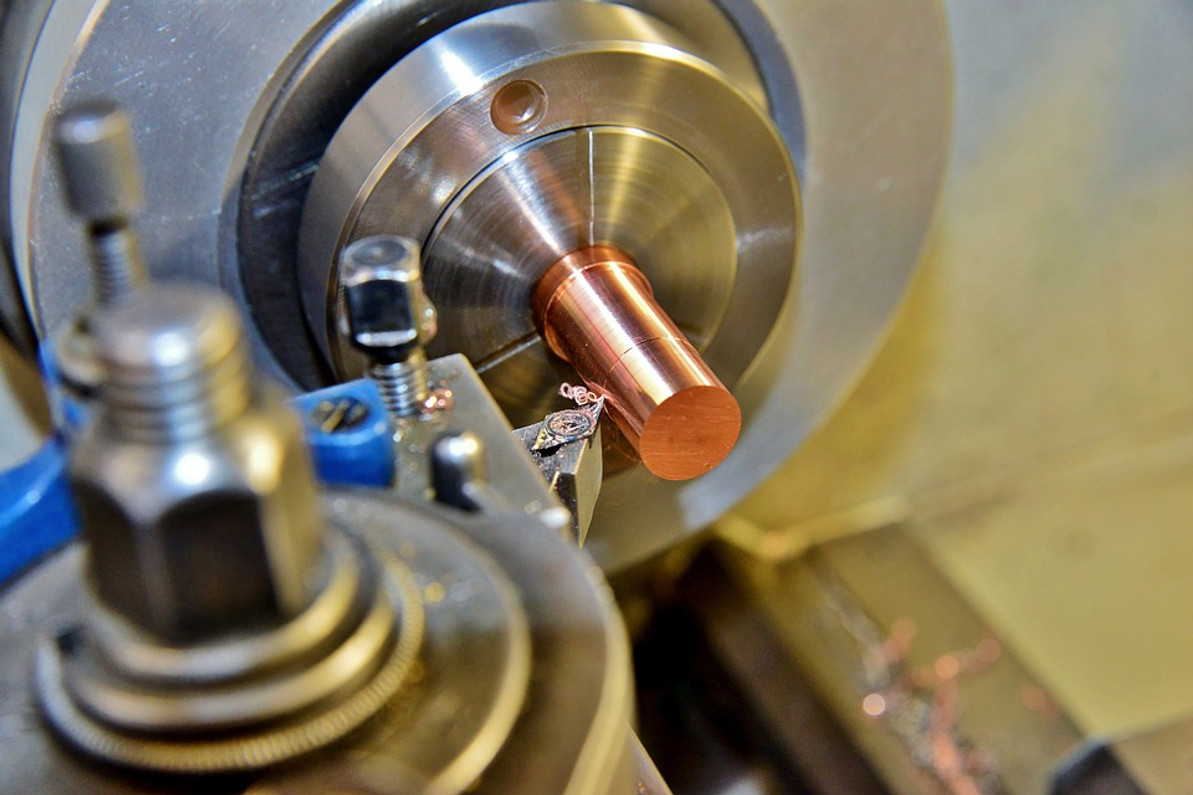
5 Safety Tips to Follow When Using a Lathe
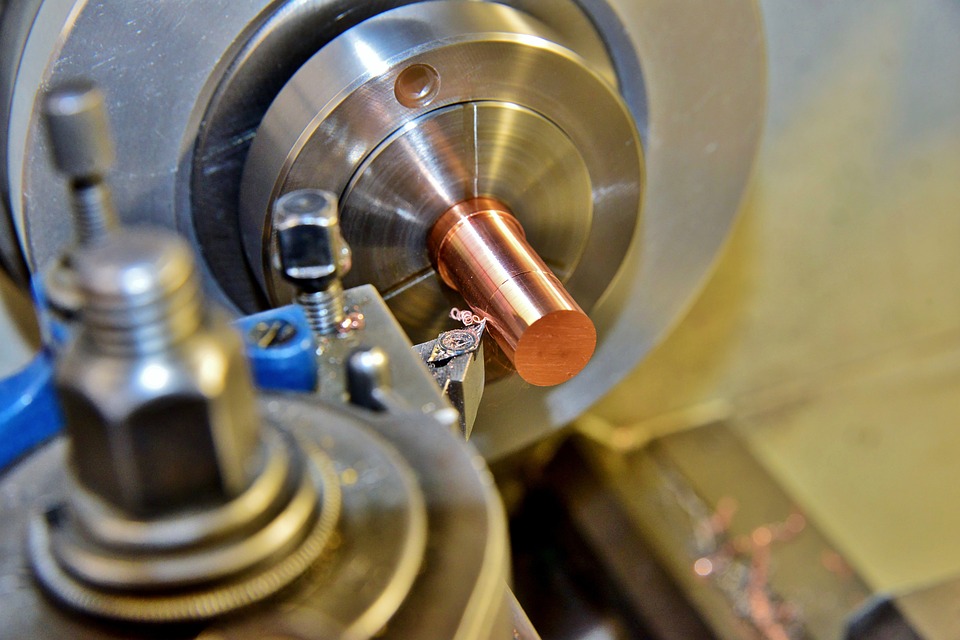
Does your job require you to use a lathe? While frequently used in the manufacturing industry for cutting, sanding, turning and knurling processes, lathes are heavy-duty machines that pose a risk of injury if used improperly. However, there are several precautions you can take when using a lathe to lower your risk of injury, including the following.
#1) Ensure Cutting Tool is Sharp
Prior to using a lathe, inspect the cutting tool to ensure it's sharp. Cutting tools deteriorate over time. The more you use the same cutting tool, the duller it will become. Eventually, it becomes so dull that it dislodges chunks of material from the workpiece rather than creating a clean cut. When this happens, the large chunks can shoot out and cause bodily injury.
#2) Wear Impact-Resistant Safety Glasses
According to the Bureau of Labor Statistics (BLS), roughly 20,000 U.S. workers per day sustain an eye injury. In the manufacturing industry, failure to wear impact-resistant safety glasses while operating industrial machines like lathes is a leading cause of eye injuries. So, always wear impact-resistant safety glasses when operating a lathe. Not only will this protect your eyes from flying debris; it will prevent dust from getting into your eyes.
#3) Secure Workpiece to Lathe
You should secure the workpiece to the lathe before cutting or otherwise manipulating it. Most lathes have clamps that you can use to secure and hold the workpiece. After placing the workpiece on the lathe, you can clamp it down. Once clamped, the workpiece will remain steady while you cut, sand, turn or knurl it.
#4) Clean and Remove Scrap Material
Whether you are using a lathe on a wood or metal workpiece, it will likely create scrap material as a byproduct. Also known as chips, scrap material can pose a risk of injury if you fail to clean it. While the lathe is turned off, use either a vacuum or brush to remove scrap material. By cleaning and removing scrap material, injuries are less likely to occur when operating a lathe.
#5) Maintain Clean, Obstruction-Free Floors
Finally, you should maintain clean floors around the lathe that are free of obstructions and tripping hazards. Because lathes offer an elevated working surface, you probably won't look down at the floor much while operating one. As a result, power cords, tools, boxes and other obstructions may cause you to trip and fall.
Recent Posts
-
Cut Gloves: How to Choose the Right ANSI Level
A hand-protection program works best when it starts with the task, not a product label. A packaging …Oct 5th 2026 -
Kevlar Gloves. Cut, Heat, and Task-Specific Selection
Choosing hand protection by material name alone can leave a serious gap in your safety program. Star …Oct 2nd 2026 -
Face Shield for Grinding: Selection and Safety Guide
Grinding can send fragments, sparks, dust, and other debris toward a worker's face in an instant. Th …Sep 30th 2026