
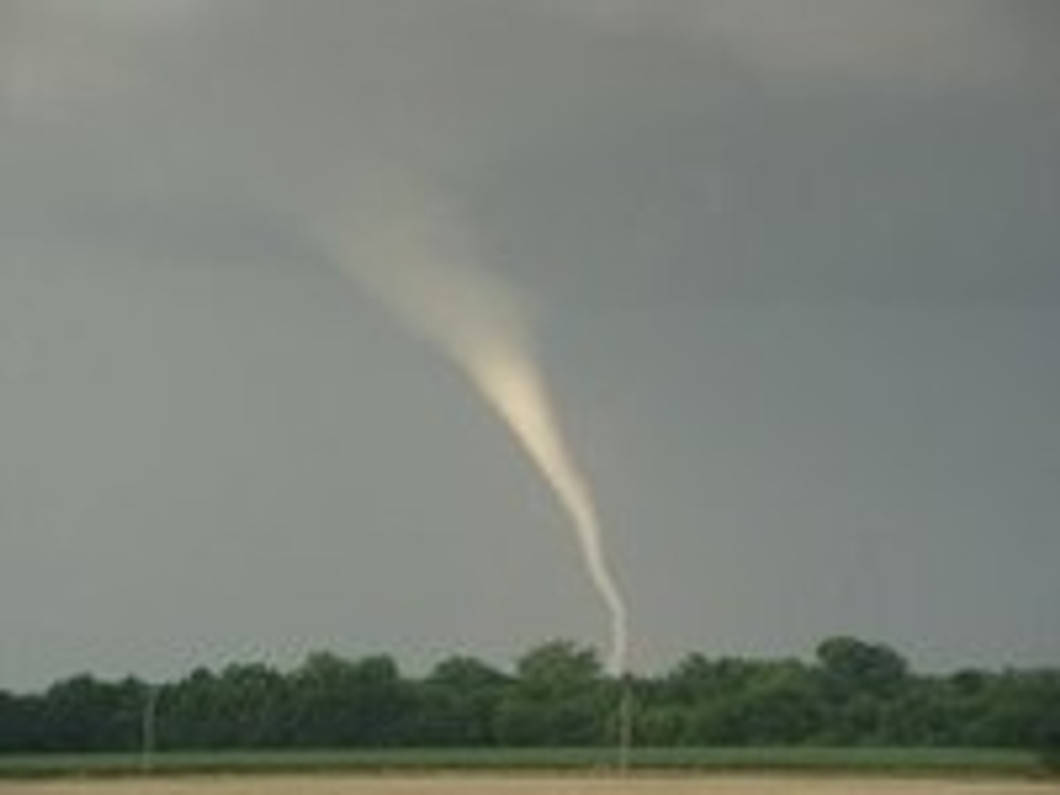
Tornado Safety and Preparedness
We've covered several types of severe weather here on our blog, including floods and hurricanes, but something that we've yet to discuss are tornadoes. According to the NOAA Weather Partners, 70 people lost their lives in tornadoes during 2012. Whether you live in Tornado Alley or not, it's always a good idea to prepare yourself, and your family, in the event that a tornado develops around your home.
You might be surprised to learn that the U.S. experienced more tornadoes than other country or region in the world. This is due to the fact that much of the U.S. is geographically flat with a climate that encourages the production of thunderstorms -- and most people are fully aware that thunderstorms lead to tornadoes. The combination of flat land and thunderstorms creates the ideal environment for storms with rotation.
Signs of a Tornado:
- Persistent rotation in the storm
- Loud audible "roar"
- Dark skies
- Hail
- Heavy rain
- Ears may pop from the change in pressure
- Lightning
- Blue/greenish colored light flashes around the base of the storm
Tornado Watch vs Warning: What's The Difference?
Many people confused these two terms with one another. While the terms tornado watch and tornado warning may sound similar, they refer to two very different activities. Familiarizing yourself with these terms and their respective definitions will allow you to smarter choices when weather turns south in your neighborhood.
A tornado watch doesn't necessarily mean a tornado has touched down yet. Instead, it means there's simply a possibility of one occurring in the immediate area. A tornado warning, on the other hand, means a tornado has been sighted and confirmed.
What To Do During a Tornado:
- STAY AWAY FROM WINDOWS.
- Get to the basement -- if your home has a basement -- and hide under something heavy and sturdy, such as a workbench.
- If your home does not have a basement or crawlspace, get inside the bathtub and place a mattress over your body.
- Do not attempt to wait a tornado out in a mobile home. If you live in mobile home, get out at the first sign of a tornado.
After the tornado has passed, survey the immediate area for injured people. There will likely be broken glass, downed electrical wires and other hazards, so use caution. If you come across anyone with injuries, do you best to control any bleeding while keeping them comfortable until help arrives.
Recent Posts
-

Chemical Storage Cabinets for industrial work: use and compliance
Chemical storage cabinets help workplaces control access to hazardous materials and keep storage con …Oct 23rd 2026 -

How to Properly Wear a Safety Harness
Knowing how to properly wear a safety harness is only one part of protecting workers at height. The …Oct 23rd 2026 -

Safety Harness for facility and field teams
A safety harness is one part of a fall-protection decision, not a stand-alone answer to every work-a …Oct 22nd 2026