
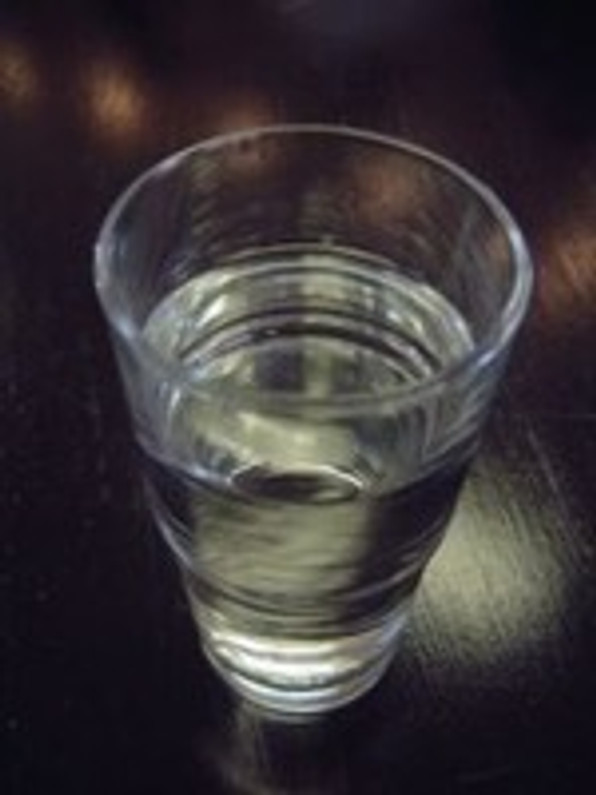
The Importance of Staying Hydrated at Work
Are you drinking enough water at work? According to a document published by the Panhandle Health District and Idaho State Planning, 75% of people in the U.S. are classified as "chronically dehydrated." Failure to stay properly hydrated, especially when you're performing physically exhaustive work, can lead to a variety of adverse health conditions.
Symptoms of dehydration include the following:
- Fatigue
- Lower metabolism
- Increased thirst
- Dry mouth
- Nausea
- Headaches
- Muscle cramps
- Dry skin
- Dizziness
Along with the symptoms mentioned above, dehydration also increases the risk of heat stroke. Heat stroke occurs when the body is no longer able to regulate its core temperature, at which point vital organs begin to shut down. Normally, the human body sweats to cool off, but there are times when this alone is not enough to stay cool. Heat stroke is a serious condition that takes the lives of approximately 675 people annually, according to the Centers For Disease Control and Prevention (CDC).
"However, when exercising in a hot environment (an environmental temperature of 30 degrees C or more), dehydration by 2% of body mass impairs exercise performance and increases the possibility of suffering a heat injury," wrote researchers in a study.
Of course, heat exhaustion is another condition that's linked to dehydration. While it may not prove as dangerous as heat stroke, it's still a medically concerning condition nonetheless. Heat exhaustion occurs when the body loses vital electrolytes. In some cases, it's the precursor to heat stroke, which is why it's important for workers to know the signs and symptoms of heat illness.
So, how much water should drink at work to stay properly hydrated? There's really no magic number, as recommended daily intakes vary depending on gender, age, physical activity levels, temperature, diet, metabolism, and more. With that said, a good rule of thumb is to drink at least eight 8-ounce glasses of water per day -- more if you work in a physically exhaustive environment.
If you work in a job that limits your "free" time to drink water, try to drink more before and after your shift, as well as any breaks you are given. Staying hydrated will improve your clarity, physical flexibility, endurance, and it will make you more alert. Just remember to strive for a minimum of eight 8-ounce glasses of water per day.
Have you experienced on-the-job dehydration before? Let us know in the comments section below!
Recent Posts
-
Cut Gloves: How to Choose the Right ANSI Level
A hand-protection program works best when it starts with the task, not a product label. A packaging …Oct 5th 2026 -
Kevlar Gloves. Cut, Heat, and Task-Specific Selection
Choosing hand protection by material name alone can leave a serious gap in your safety program. Star …Oct 2nd 2026 -
Face Shield for Grinding: Selection and Safety Guide
Grinding can send fragments, sparks, dust, and other debris toward a worker's face in an instant. Th …Sep 30th 2026