
The Dos and Don'ts of Using a Portable Generator
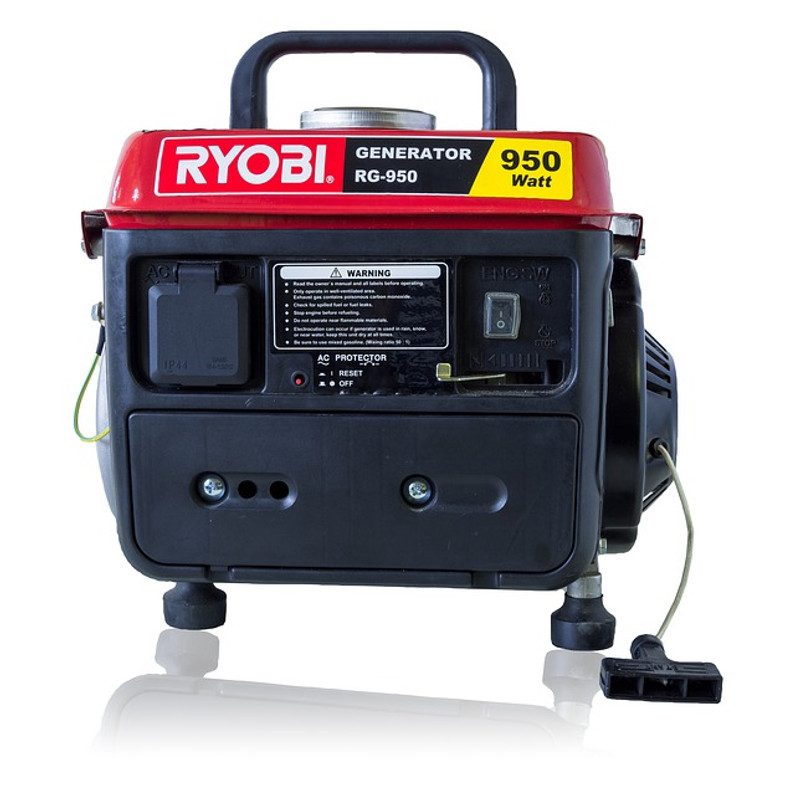
A portable generator is a smart investment. If there's a power outage in your area, it can supply your home with emergency power. Portable generators are small and portable devices that are designed to convert fuel into electricity. Most of them run on gasoline. When turned on, they'll burn gasoline to turn a built-in alternator. The alternator will create electricity, so you can use the portable generator to power some of your home's devices and appliances.
Do Place Outdoors
You should place your portable generator outdoors. Running a portable generator indoors is a serious safety hazard. Because they burn gasoline, portable generators generate carbon monoxide. Carbon monoxide is a byproduct that's created by all gasoline-burning -- as well as natural gas-burning -- devices. You can still use a portable generator to supply your home with emergency power. Just remember to place it outside of your home rather than inside of your home.
Don't Leave Uncovered
While portable generators should always be placed outdoors, they shouldn't be left uncovered. Leaving your portable generator uncovered will expose it to the elements. Rain and electricity, of course, don't go together. If it happens to rain, your portable generator may succumb to damage. Alternatively, it may place you at risk for electrocution. When placing your portable generator outdoors, choose an area that's open but covered. You can cover your portable generator with a basic canopy, which should keep it dry.
Do Ensure Proper Grounding
Make sure your portable generator is properly grounded before using it. Grounding is necessary to protect against sudden power surges. In the event of a power surge, the excess electricity will be distributed to the ground. Therefore, it won't damage the devices or appliances in your home, nor will the power surge place you at risk for electrocution. Refer to your portable generator's owner manual for more information on how to ground it.
Don't Refuel While Running
It may sound harmless, but you should avoid refueling your portable generator while it's running. The proper way to refuel a portable generator is to turn it off and wait for it to cool down. Only after your portable generator has cooled down should you attempt to refuel it. Refueling your portable generator while it's running is a fire hazard. If you spill the gasoline on the engine, it may ignite while creating a fire.
Do Disconnect Your Home's Power
Finally, you should disconnect your home's power before using a portable generator. In other words, the utility power coming into your home should be cut off. Failure to disconnect your home's power could result in excess electricity being sent to the grid.
Recent Posts
-

LOTO Explained: Lockout/Tagout Steps for Safer Maintenance
LOTO, short for lockout/tagout, is an energy-control process that prevents a machine from starting o …Oct 12th 2026 -

N95 Respirator Guide for Workplace Safety
Dust, mist, fumes, and other airborne particles can create serious exposure risks before a worker no …Oct 12th 2026 -
Cut Gloves: How to Choose the Right ANSI Level
A hand-protection program works best when it starts with the task, not a product label. A packaging …Oct 5th 2026