
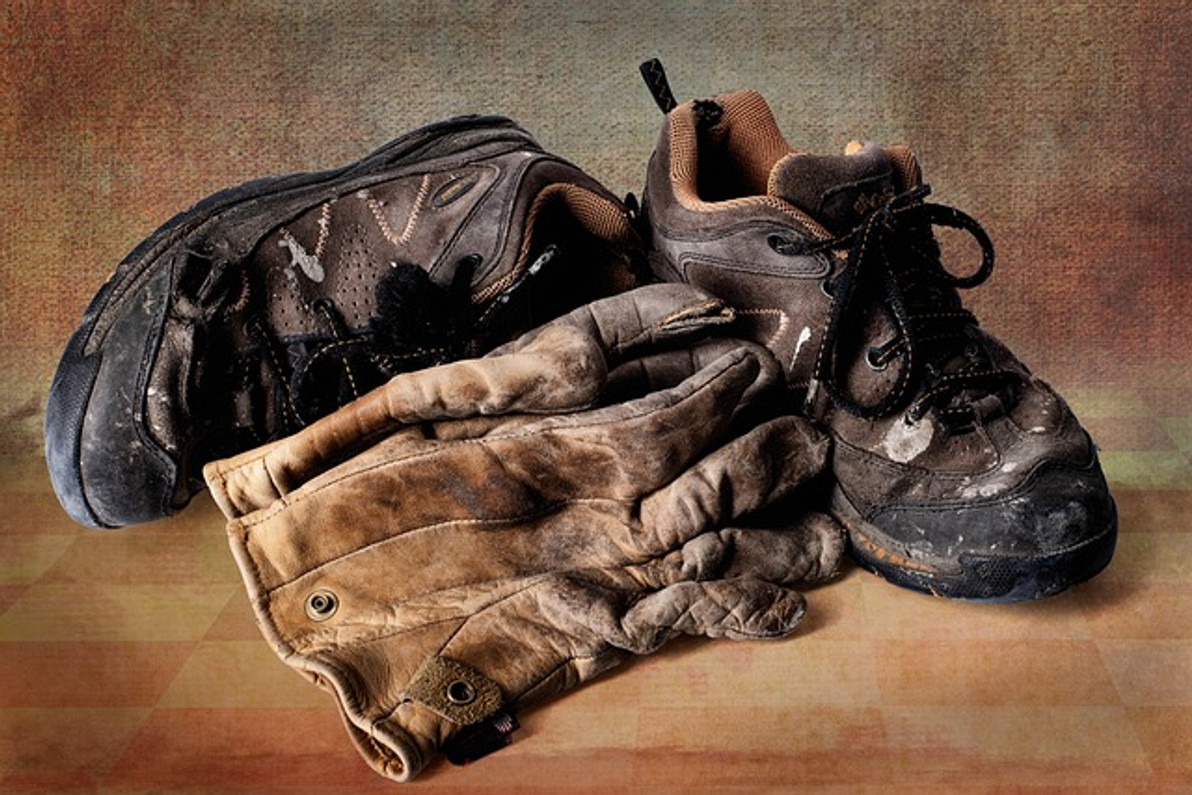
The Benefits of Non-Skid Boots
What type of boots do you typically wear while working? Non-skid boots are a popular choice among workers. Also known as non-slip boots, they feature a special type of outsole that minimizes slippage. Non-skid boots will essentially "grip" the floor or ground. Here are some of the top reasons to consider wearing non-skid boots.
Lower Risk of Slip-and-Fall Injuries
Non-skid boots will lower your risk of sustaining slip-and-fall injuries. According to the U.S. Centers for Disease Control and Prevention (CDC), over one in four nonfatal work-related injuries involve slips, trips and falls. Walking on a wet or otherwise slippery floor may cause you to lose your balance and, thus, fall.
With non-slip boots, you'll be better protected against slip-and-fall injuries. Non-slip boots will provide you with a superior level of traction so that you are less likely to slip and fall -- even when walking on wet surfaces.
Comfortable to Wear
While available in many different styles, most non-skid boots are very comfortable to wear. They feature a soft insole that's gentle on your feet. Even when worn for eight or more hours a day, non-skid boots won't leave you susceptible to foot pain or discomfort. They are comfortable to wear all day long.
Durable and Long-Lasting
Non-skid boots are durable and long-lasting. They are made of heavy-duty materials like leather and rubber. If you're tired of replacing your work boots every year or every couple of years, you may want to invest in a pair of non-skid boots.
The outsole on non-skid boots is designed with interlocking tread, which is responsible for their superior traction. This interlocking tread pattern will allow them to create stronger traction with the floor. At the same time, non-skid boots last longer than other types of boots because of their deep, interlocking tread.
Considered PPE
Depending on your job, non-skid boots could be considered personal protective equipment (PPE). PPE is wearable safety equipment. The U.S. Occupational Safety and Health Administration (OSHA) requires workers to wear certain types of PPE. For some jobs, non-skid boots or similar non-skid footwear is considered PPE.
Water Resistant
You may discover that many types of non-skid boots are water resistant. This is because they are used primarily in the workplace -- as well as the outdoors -- where moisture is a concern.
To keep your dry, you can choose a pair of water-resistant non-skid boots. They still feature the same interlocking tread as other non-skid boots. Moisture resistant simply means the boots are designed to keep out water and moisture.
Recent Posts
-
Kevlar Gloves. Cut, Heat, and Task-Specific Selection
Choosing hand protection by material name alone can leave a serious gap in your safety program. Star …Oct 2nd 2026 -
Face Shield for Grinding: Selection and Safety Guide
Grinding can send fragments, sparks, dust, and other debris toward a worker's face in an instant. Th …Sep 30th 2026 -
Prescription Safety Glasses: Workplace Guide
Prescription safety glasses help employees maintain clear vision without giving up protection from w …Sep 10th 2026