
Safety Tips When Working on a Roof
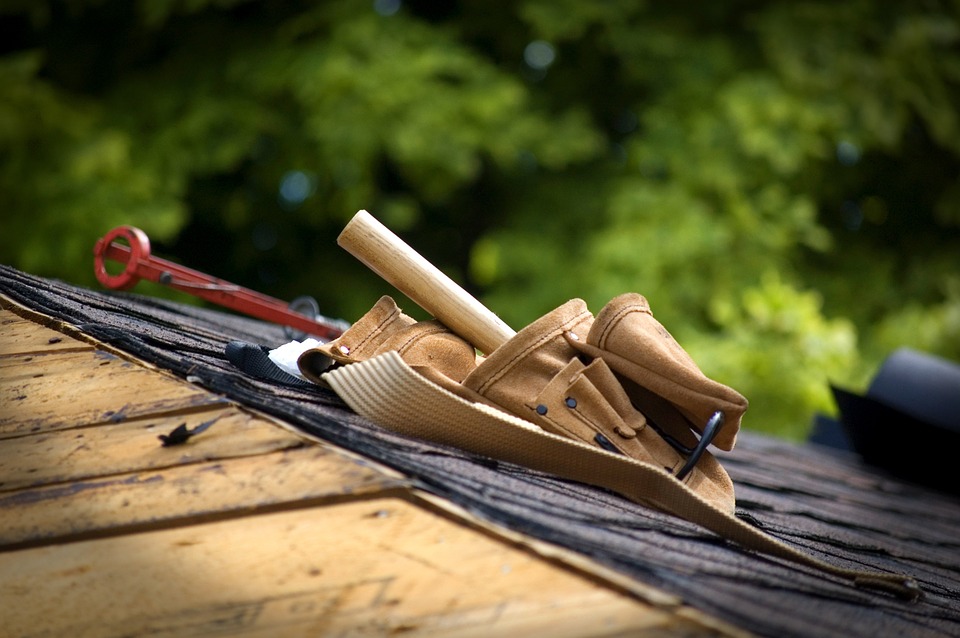
Slip-and-fall accidents cost employers billions of dollars in lost wages, worker's compensation and other related expenses each year. According to some statistics, they account for roughly 20% (1 in 5) of all work-related injuries. Of course, falls from elevated surfaces typically pose a greater risk that falls from the same level. This is particularly true when speaking about roofs. So, what steps can you take to reduce the risk of serious injury when working on a roof?
Ladder
Assuming you use a ladder to access the roof, there are a few things you should do to reduce the risk of injury. For starters, ladders should placed on a flat, solid surface. The ladder should also be tied off at the top for greater security. When climbing a ladder to access the roof, do so slowly, maintaining two points of contact at all times.
Electrical Wires
Something else to consider when working on a roof is the location of nearby electrical wires. It's easy to overlook an electrical wire when you're busy replacing shingles, installing wood, etc. But if you happen to touch one, it could prove fatal. Familiarize yourself with the location of any and all nearby electrical wires before attempting to work on a roof, using extra caution to avoid them.
The Right Shoes
Don't underestimate the importance of wearing the right shoes when working on a roof. Shoes (or boots) with a traction-grip bottom will increase your footing, which should reduce the risk of slip-and-fall accidents. Of course, this is highly beneficial for roof workers, as falling from a roof can prove deadly. Make sure your shoes have strong traction before working on a roof.
Safety Harness
Depending on the circumstance, you may want to wear a safety harness when working on a roof. Some employers require their workers to wear them, and for good reason: this otherwise simple accessory can prove to be a real life-saver. If a worker loses his or her footing on a roof, it will prevent them from tumbling to the ground below.
Avoid Slate and Tile Roofs
I know this probably sounds like common sense, but it's still worth mentioning that you should avoid working on slate and tile roofs. These roofing materials can easily fall off, sending you or anyone else working on them falling.
Recent Posts
-

Cotton Gloves for Eczema: Buyer Notes
Cotton gloves for eczema come up when a buyer wants a soft, breathable layer for workers with dry or …Nov 17th 2026 -

Lockout Devices: Selecting Equipment for OSHA Energy Control Programs
Choosing lockout devices is an equipment-selection decision within a larger energy-control program. …Nov 16th 2026 -
Hard Hat Liners: Fit, Seasonal Comfort, and Workplace Compatibility
A hard hat liner can help address cold-weather discomfort or perspiration, but it must not interfere …Nov 13th 2026