
Safety Tips to Reduce Injury When Working in the Sun
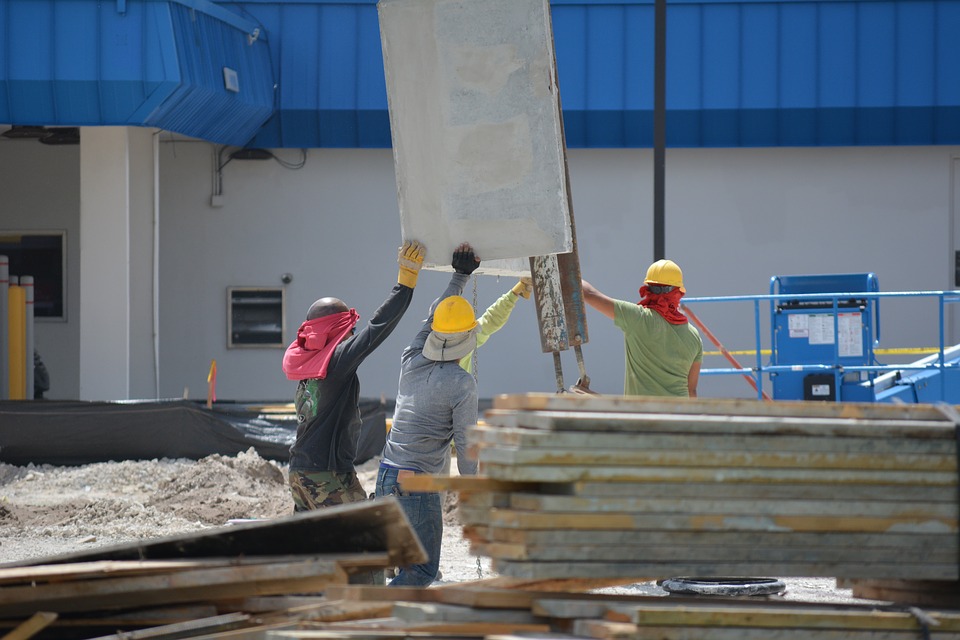
Cover Your Head
It should come as little-to-no surprise to heart that the scalp is one of the most sunburn-prone parts of the human body. This is especially true for workers who are forced to spend long hours working outdoors. As the summer sun beams down, it can burn your scalp, creating painful burns that takes days, sometimes weeks, to fully heal. The good news is that you can protect your scalp against sunburn by wearing a hat or cap while working outdoors.
Wear Sunscreen Lotion
In addition to covering your head, you should also apply a high-SPF sunscreen lotion to your exposed skin. Sun exposure is one of the biggest risk factors associated with skin cancer. Sunlight contains two forms of ultraviolet (UV) light. And prolonged exposure to this UV light promotes the formation of cancerous cells. Sunscreen lotion works to protect against this phenomenon by blocking UV light and preventing it from penetrating through your skin.
Wear UV Sunglasses
Don't underestimate the importance of wearing UV-protected sunglasses when working outdoors in the sun. Although you can't develop skin cancer on your eyes, sun exposure can still damage a worker's eyesight. Furthermore, skin cancer may develop on the eyelids. Wearing a pair of UV-protected sunglasses reduces the risk of such injuries. It also improves visibility for workers by reducing eye strain associated with bright lights. The bottom line is that every outdoor worker needs a pair of a UV-protected sunglasses.
Stay Hydrated
One of the most common types of injuries sustained by outdoor workers during the summer is heat exhaustion. The human body will quickly deplete its water reserves when exposed to hot and humid environments. And if action is not taken to restore these reserves, it can lead to more serious complications like heat stroke or even death. So if you're forced to work outdoors during the hot summer sun, drink plenty of H2O before, during and after your shift.
Take Breaks
The golden rule that all workers should follow when working outdoors under the sun is to take regular breaks. The longer you continue to work, the greater the risk of heat exhaustion and other injury/illness. However, you can reduce the risk of such injuries and illness by taking regular breaks. Ideally, workers should rest in an air conditioned building or facility. If this isn't an option, however, taking a break in a shaded area will suffice.
Recent Posts
-

Chemical Storage Cabinets for industrial work: use and compliance
Chemical storage cabinets help workplaces control access to hazardous materials and keep storage con …Oct 23rd 2026 -
How to Properly Wear a Safety Harness
Knowing how to properly wear a safety harness is only one part of protecting workers at height. The …Oct 23rd 2026 -

Safety Harness for facility and field teams
A safety harness is one part of a fall-protection decision, not a stand-alone answer to every work-a …Oct 22nd 2026