
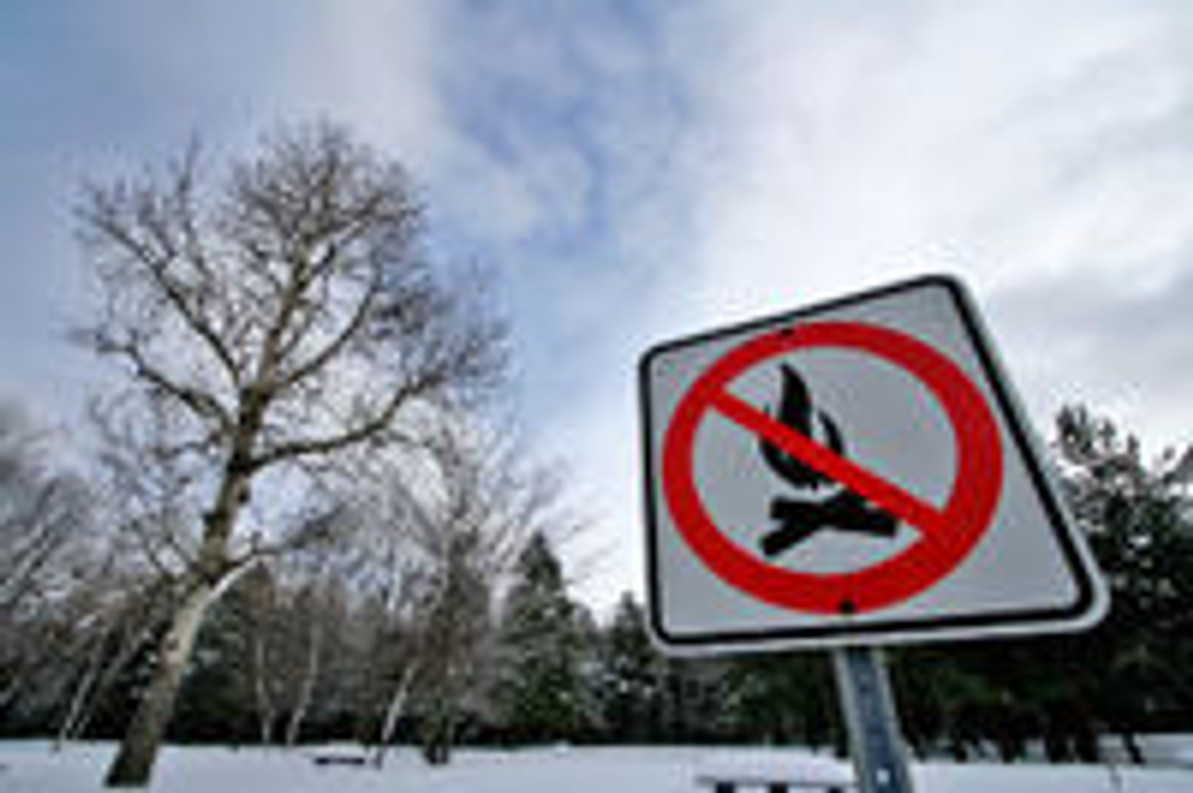
Patio Fire Prevention and Safety Tips
 With the chill still being felt from the end of winter, homeowners and families everywhere are
looking for ways to stay warm while enjoying the use of their patios.
This can be accomplished in a number of ways, such as fire pits,
heaters, etc., but you must remember to follow some basic safety
precautions to ensure fires don’t occur. While most house fires
typically start inside the home, a percentage of them occur on the
patio. Here we’ll take a look at some essential safety tips and
precautions to help prevent fires from starting on the patio.
With the chill still being felt from the end of winter, homeowners and families everywhere are
looking for ways to stay warm while enjoying the use of their patios.
This can be accomplished in a number of ways, such as fire pits,
heaters, etc., but you must remember to follow some basic safety
precautions to ensure fires don’t occur. While most house fires
typically start inside the home, a percentage of them occur on the
patio. Here we’ll take a look at some essential safety tips and
precautions to help prevent fires from starting on the patio.
Fire Pits
There’s nothing quite like the look and feel of an authentic fire on the patio. When the sun has gone down and the temperatures start dropping, you can maintain a comfortable temperature with a proper fire pit set up in the center of your patio. As long as you keep it fueled with wood, it will continue to burn and emit heat. The atmosphere create by a fire pit is another benefit to using it on the patio.
Of course there’s always a chance the fire will spread into unwanted areas anytime you build a build a real fire, so you need to use caution. For starters, accelerants like gasoline and charcoal lighter fluid should never be used on a fire pit. Sure, they may give your fire a little kick to get it going, but it can also create an uncontrollable fire that can’t be put out with just water.
Just like another other fire, you should always put out your fire pit before leaving the patio. Wait until it’s burned down and then pour a bit of water on it.
Patio Heaters
In recent years, patio heaters have become a popular patio accessory by many homeowners. These simple devices are placed on top of an outdoor table and emit a powerful wave of heat to everyone sitting around. While there are a few different types of patio heaters, most of them are powered by a single propane tank stored in the base. The unit will continue to run and emit heat until it’s drained of propane, at which point it require re-filling or replacing.
Propane tanks are relatively safe when used correctly, but you still need to be cautious when using them. If there’s rust or corrosion around the valve, stop using it and immediately call either the fire department or the service number located on the tank. Propane tanks are under pressure and may explode if corrosion eats away enough of the protective container.
Recent Posts
-

Chemical Storage Cabinets for industrial work: use and compliance
Chemical storage cabinets help workplaces control access to hazardous materials and keep storage con …Oct 23rd 2026 -

How to Properly Wear a Safety Harness
Knowing how to properly wear a safety harness is only one part of protecting workers at height. The …Oct 23rd 2026 -

Safety Harness for facility and field teams
A safety harness is one part of a fall-protection decision, not a stand-alone answer to every work-a …Oct 22nd 2026