

OSHA's 'Big Four' Hazards in the Construction Industry
Construction is a major sector within the United States economy, responsible for generating an estimated $1.7 trillion annually and employing more than 7 million workers. Like all industries, though, construction workers are susceptible to on-the-job injuries. In an effort to curb these numbers and promote a safer workplace, the Occupational Safety and Health Administration (OSHA) has published a list of the "Big Four" safety hazards faced by construction workers.
Slip-and-Falls
It should come as little-to-no surprise to learn that slip-and-fall accidents are among the most common safety hazards in the construction industry. From spilled oil and liquids to loose catwalks and slippery surfaces, there are dozens of ways in which a construction worker can fall and injure themselves.
Electrocutions
Another common safety hazard faced by construction workers is electrocution. Some jobsites have electrical generators powering various equipment and tools, networked with a spiderweb-like array of cords. When these electrical components are exposed to moisture, it can create a dangerous scenario by increasing the risk of electrocution.
Caught in or Between
A lesser-known safety hazard in the construction industry is "caught in or between." As the names suggests, this occurs when a worker is caught "in or between" something. Each year, tens of thousands of construction workers sustain injuries such as this, attesting to its wide-reaching implications.
Struck by
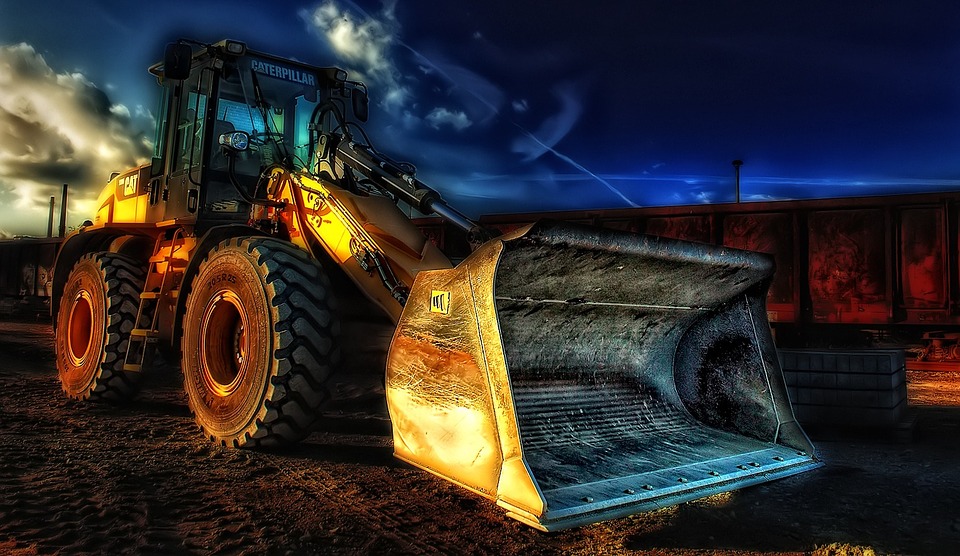
Last but not least, construction workers should use caution to avoid being struck by objects or machines. Forklift operators, for instance, may accidentally hit other construction workers on the jobsite, resulting in potentially serious injury.
While these are considered the "Big Four" safety hazards in the construction industry, workers are exposed to a countless number of other hazards, ranging from air pollution and trench collapse to laceration and hearing loss. See below for a list of tips to promote a safe working environment in the construction industry:
- Conduct thorough inspections of all equipment and machines.
- Provide workers with the appropriate personal protective equipment (PPE).
- Hold regular Toolbox Talks, during which you discuss safety hazards with workers.
- Encourage workers to report safety violations in a timely manner.
- Identify high-risk areas within your workplace or jobsite, implementing the necessary changes to improve them.
Recent Posts
-
Cut Gloves: How to Choose the Right ANSI Level
A hand-protection program works best when it starts with the task, not a product label. A packaging …Oct 5th 2026 -
Kevlar Gloves. Cut, Heat, and Task-Specific Selection
Choosing hand protection by material name alone can leave a serious gap in your safety program. Star …Oct 2nd 2026 -
Face Shield for Grinding: Selection and Safety Guide
Grinding can send fragments, sparks, dust, and other debris toward a worker's face in an instant. Th …Sep 30th 2026