
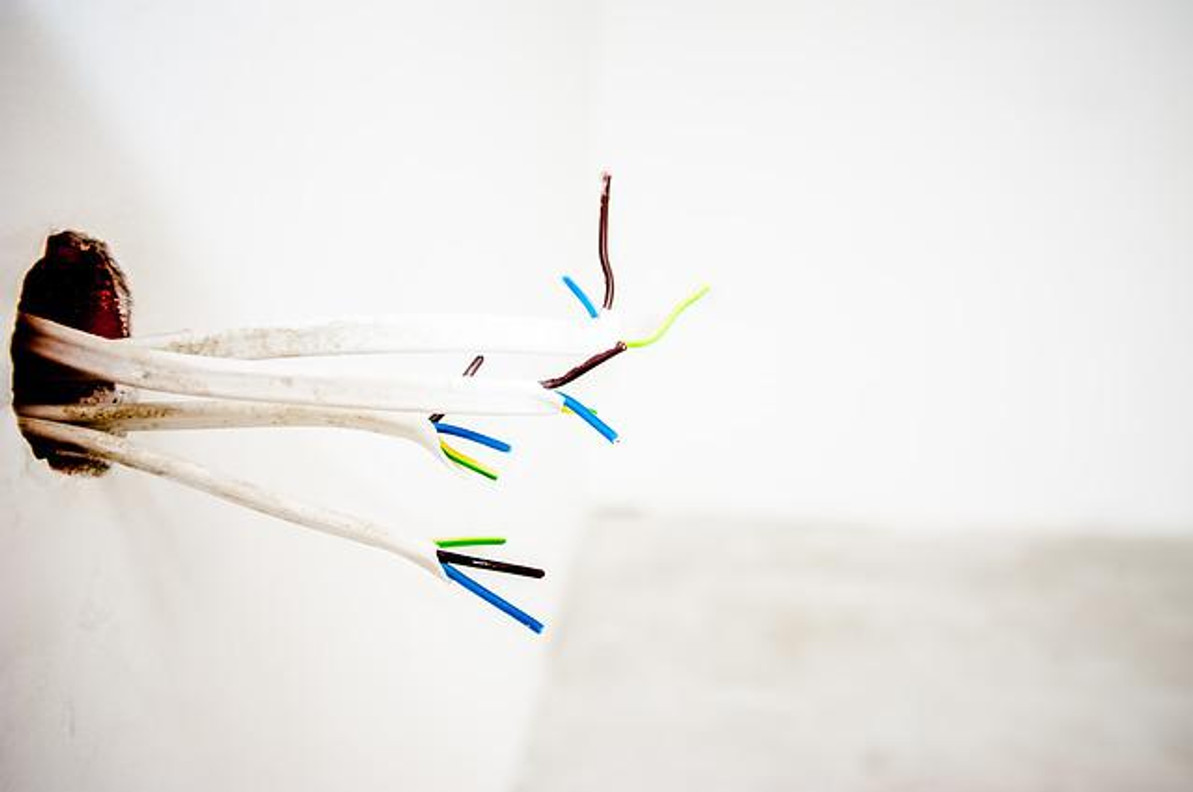
Heads Up: It's National Electrical Safety Month
Did you know that May is National Electrical Safety Month? Sponsored by the Electrical Safety Foundation International (ESFI), it's designed to raise awareness to common electrical hazards. Regardless of whether you work as a professional electrician, you should participate in National Electrical Safety Month. Doing so will lower your risk of injury.
Be Gentle When Removing Plugs From Outlets
Never tug or forcefully pull plugs from wall outlets. If you need to remove a plug, gently pull it directly out of the wall outlet. Aggressively pulling the plug may bend its prongs. And once the prongs are bent, the plug may no longer fit in the wall outlet. This can cause an arc discharge. There will be too much space between the plug's prongs and the outlet's contacts, resulting in an arc discharge.
Don't Overload Circuits
You should use caution to avoid overloading circuits. Circuits can only accommodate so much electricity at any given time. If too much electricity is flowing through a given circuit, it may heat up to dangerous levels -- potentially even starting a fire. Most homes and buildings, of course, have circuit breakers to prevent electrical fires due to overloaded circuits. Circuit breakers, however, can fail. Therefore, you should avoid overloading circuits in your home or workplace.
Replace Damaged Extension Cords
Extension cords don't last forever. They can become frayed or otherwise damaged. If you notice any damage to an extension cord, you should replace it. Using a damaged extension cord is a fire hazard.
Keep a C-Rated Fire Extinguisher on Hand
If you're worried about an electrical fire in your home or workplace, you should keep a C-rated fire extinguisher on hand. Fire extinguishers are available in different ratings. Those with a C rating are able to extinguish electrical fires. Other types of fire extinguishers may or may not be able to extinguish electrical fires. If a fire extinguisher contains water, for instance, it may place you at risk of shock when using it on an electrical fire.
Don't Bury Extension Cords Under Rugs or Carpet
It may sound harmless, but you shouldn't bury extension cords under rugs or carpet. Extension cords will heat up. It's normal for an extension cord to produce at least some heat when supplying electricity to a device. If an extension cord is placed under a rug or carpet, though, the heat won't be able to dissipate. It will continue to build up while potentially igniting the rug or carpet.
Recent Posts
-
Face Shield for Grinding: Selection and Safety Guide
Grinding can send fragments, sparks, dust, and other debris toward a worker's face in an instant. Th …Sep 30th 2026 -
Prescription Safety Glasses: Workplace Guide
Prescription safety glasses help employees maintain clear vision without giving up protection from w …Sep 10th 2026 -

Safety Vest Guide: ANSI Classes and Fit Tips.
On a busy jobsite, a high-visibility garment is part of a worker-protection plan, not simply a brigh …Sep 8th 2026