
6 Things You Didn't Know About Occupational Hearing Loss
When you think of common hazards in the workplace, loud noise probably isn't at the top of your list. Nonetheless, occupational hearing loss consisting ranks as one of the most common work-related illnesses in the United States, according to the Centers for Disease Control and Prevention (CDC). To learn more about occupational hearing loss and its significance, keep reading.
#1) 22 Million US Workers Exposed to Dangerous Noise
The CDC says that 22 million workers in the United States are exposed to dangerous noise every year. To put that number into perspective, data suggests that some 143 million people are currently employed in the United States. Therefore, a substantial number of these workers are being exposed to dangerous noise on a regular basis.
#2) Chemicals Can Cause Hearing Loss
It's not just loud noise that causes occupational hearing loss. Chemicals can cause it as well. As explained in this article, exposure to ototoxic chemicals can result in hearing loss. In some cases, these chemicals work in conjunction with loud noise to compound the hearing loss and related damage. Examples of ototoxic chemicals include xylene, organic tin, carbon disfulide, mercury, lead, jet fuel and pesticides.
#3) PPE Can Protect Against Occupational Hearing Loss
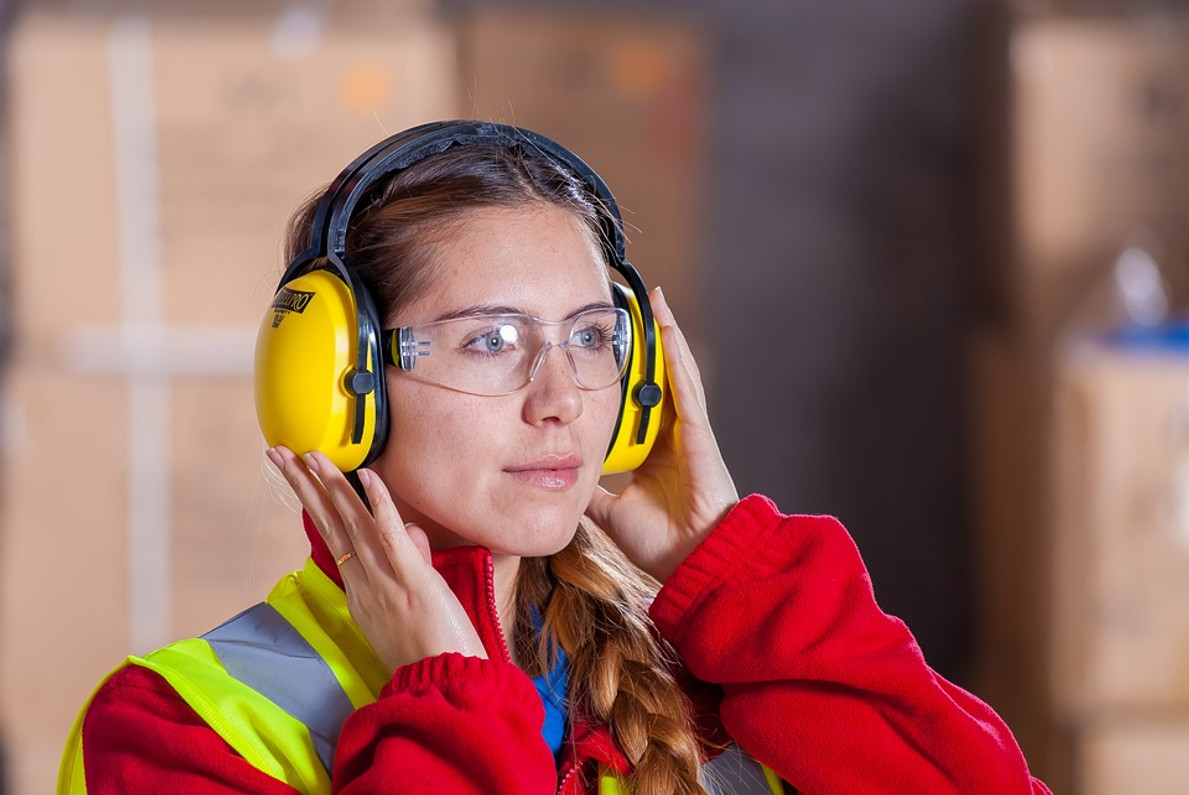
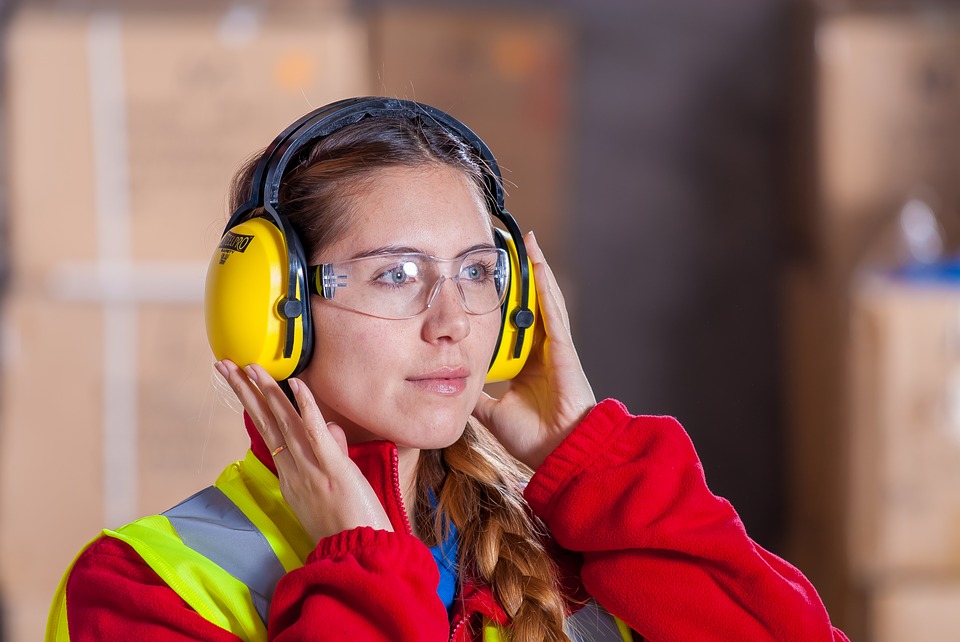
Thankfully, occupational hearing loss can be prevented, though it requires employers to take a proactive approach towards providing workers with the appropriate personal protective equipment (PPE) for the respective job. This isn't just optional, either. The Occupational Safety and Health Administration (OSHA) requires employers to provide workers with PPE. You can check out our massive selection of hearing protection PPE by clicking here.
#4) Hearing Loss Accounted for 14% of Occupational Illnesses in 2014
According to a fact sheet published by the CDC, hearing loss accounted for roughly 14% of all occupational illnesses sustained by workers in 2014.
#5) Vibrations From Loud Noise Cause Permanently Damage
It's not necessarily sound that damages the ear and causes hearing loss; rather, it's the vibrations created by the noise that causes damage. Loud noise creates vibrations that can cause permanent damage to the ear. The amount of damage sustained varies depending on the duration of exposure and volume of noise.
#6) Devices Can Measure Sound Levels
In addition to PPE, employers should also consider investing in special devices that are capable of measuring sound levels. A dosimeter, for instance, is a device worn by workers that measures his or her own exposure level. When a worker wears a dosimeter, he or she can see exactly the exact noise level in their surrounding work environment.
Recent Posts
-

Safety Harness for facility and field teams
A safety harness is one part of a fall-protection decision, not a stand-alone answer to every work-a …Oct 22nd 2026 -
Ear Protection: Plugs, Muffs, and Communication
Choosing ear protection for a workplace is not just a matter of picking the product with the highest …Oct 21st 2026 -

Workplace Planning with Bump Cap vs Hard Hat
When weighing bump cap vs hard hat, start with the hazard, not the appearance, comfort, or price of …Oct 21st 2026