
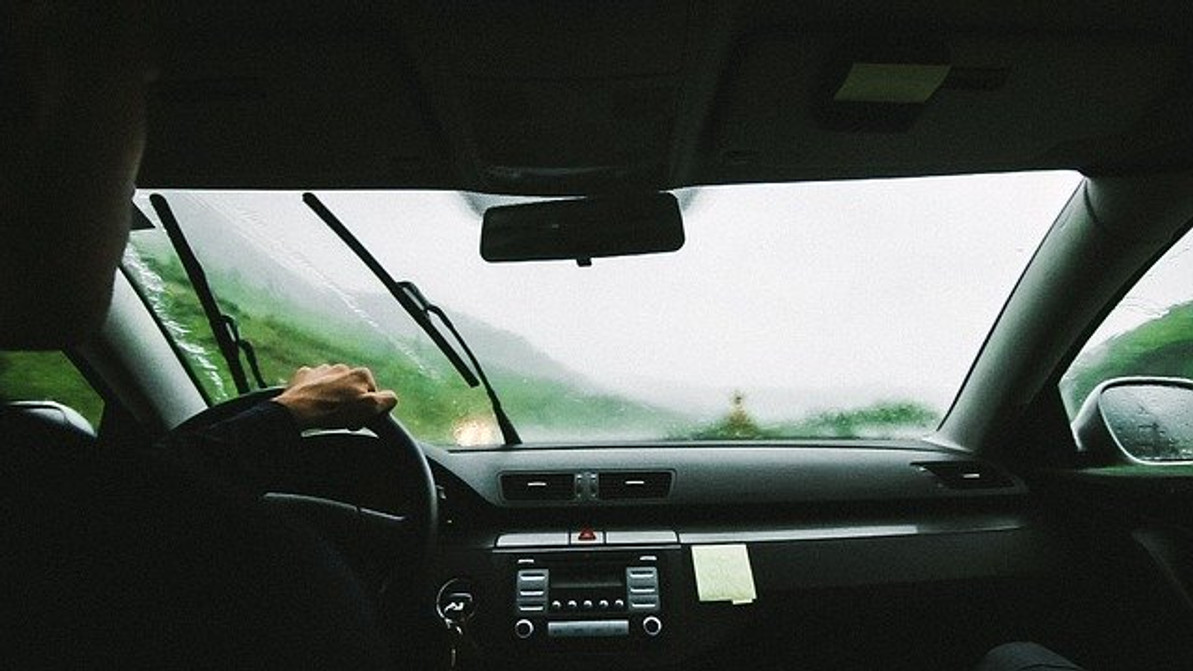
6 Safetly Tips for Driving in the Rain
Statistics show that nearly three-fourths of all weather-related crashes occur when it rains. As the pavement becomes saturated with water, vehicles create less friction with the road. Combined with lower visibility, rainy weather poses a significant risk for motorists. While it's best to wait until the skies are clear, you can lower your risk of collision when driving in the rain by following these safety tips.
#1) Give Yourself Extra Stopping Distance
With less traction between your vehicle's tires and the road, you'll need to give yourself extra stopping distance when driving in the rain. If you follow too closely to another vehicle, you might not be able to stop in time if that vehicle suddenly brakes. Therefore, you should stay a safe distance from the vehicle in front of you when driving in the rain.
#2) Active Your Headlights
Whether it's a severe thunderstorm or a light shower, you should always activate your headlights when driving in the rain. Many states actually have laws requiring motorists to use their headlights when driving in the rain. Unfortunately, not all motorists follow this rule, resulting in higher rates of collision during rainy weather.
#3) Brake Slowly
It's important that you brake slowly when driving in the rain to avoid losing control of your vehicle. If you brake too quickly, your vehicle may spin out. Depending on the direction in which your vehicle spins, as well as the location of other nearby vehicles, this may result in a collision.
#4) Avoid Puddles and Standing Water
When driving in the rain, try to avoid puddles and other bodies of standing water. If you drive over a puddle or standing water, your vehicle may hydroplane. This phenomenon occurs when the tires fail to create any sort of physical traction with the road.
#5) Don't Use Cruise Control
What's wrong with using your vehicle's cruise control when driving in the rain? Cruise control increases a spin-out by creating less traction between your vehicle's tires and the road. Therefore, you should wait it stops raining -- and the roads have dried -- before using cruise control.
#6) Replace Your Windshield Wipers
Don't get behind the wheel on a rainy day if your vehicle has old and worn windshield wipers. It's hard enough to see clearly when driving in the rain, but it's even more difficult without functional windshield wipers. Considering that windshield wipers are available for about $10 -- for most vehicles, at least -- you should replace them to promote better road safety.
Recent Posts
-
Face Shield for Grinding: Selection and Safety Guide
Grinding can send fragments, sparks, dust, and other debris toward a worker's face in an instant. Th …Sep 30th 2026 -
Prescription Safety Glasses: Workplace Guide
Prescription safety glasses help employees maintain clear vision without giving up protection from w …Sep 10th 2026 -
Safety Vest Guide: ANSI Classes and Fit Tips.
On a busy jobsite, a high-visibility garment is part of a worker-protection plan, not simply a brigh …Sep 8th 2026