
5 Safety Tips for Walking on Ice or Snow
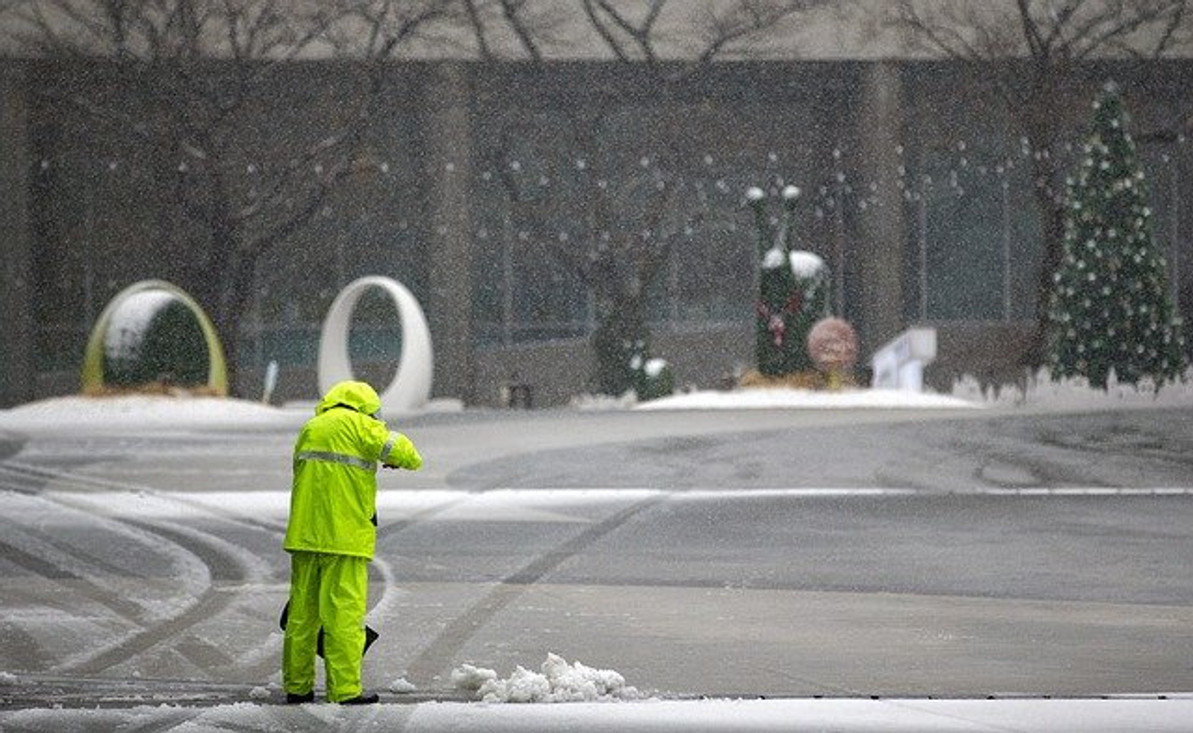
The winter weather can create hazardous conditions for outdoor workers. If your job requires you to work outdoors during this time of year, you may find yourself walking on ice or snow. The presence of ice or snow, of course, increases the risk of fall-related injuries. How can you protect yourself from injury when walking on ice or snow exactly?
#1) Walk Slowly
The speed at which you walk on ice or snow can affect your risk of falling and, thus, sustaining an injury. The faster you walk, the greater your risk of falling. By taking strides more slowly, you'll have an easier time maintaining your balance so that you don't accidentally fall. It may take you a little longer to reach your destination, but walking slowly will significantly lower your risk of sustaining a fall-related injury.
#2) Choose Snow Over Ice
When given the option of walking on either snow or ice, choose the former route. It's typically easier to walk on snow. Assuming the snow isn't compacted, you shouldn't slip and fall when walking on it. Walking on ice is an entirely different story. Ice is hard and slippery. All it takes is one wrong step when walking on ice to cause a fall-related injury.
#3) Choose Footwear With Deep Treading
Don't underestimate the importance of choosing the right footwear when walking on ice or snow. Fall-related injures involving ice or snow are often attributed to a loss of traction. If your shoes or boots don't create traction with the ground, you'll inevitably slip and fall. You can create more traction, fortunately, by choosing footwear with deep treading. Deep treading will allow your shoes or boots to grip the ground, thus lowering your risk of falling.
#4) Shovel Paths
You may be able to avoid walking on snow altogether by shoveling it out of your path. There are snow shovels that are designed specifically for this purpose. Using a snow shovel, you can clear your path so that you aren't forced to walk on snow.
#5) Use Supports
Using supports can help you maintain your balance when walking on ice or snow so that you don't fall and injure yourself. If you're entering or exiting a building, for example, consider using handrails if they are present. Gripping onto handrails will allow you to maintain your balance -- even if you happen to slip on the ground.
Recent Posts
-

Kevlar Gloves. Cut, Heat, and Task-Specific Selection
Choosing hand protection by material name alone can leave a serious gap in your safety program. Star …Oct 2nd 2026 -
Face Shield for Grinding: Selection and Safety Guide
Grinding can send fragments, sparks, dust, and other debris toward a worker's face in an instant. Th …Sep 30th 2026 -
Prescription Safety Glasses: Workplace Guide
Prescription safety glasses help employees maintain clear vision without giving up protection from w …Sep 10th 2026