
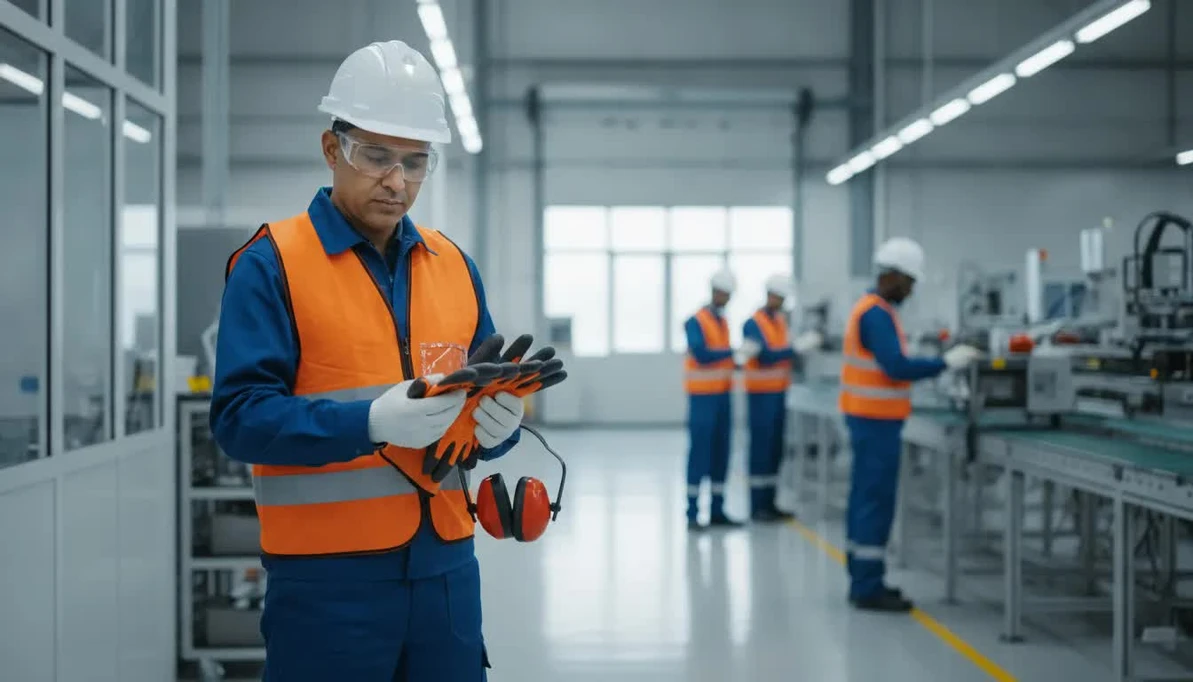
PPE Fundamentals: The B2B Compliance Buying Guide
In an industrial facility, PPE is not a one-size-fits-all purchase. The right equipment depends on the hazards employees face, the work they perform, and the protection required by applicable OSHA and ANSI standards. A low-cost item that does not match the hazard can leave both workers and the employer exposed.
PPE fundamentals are the core principles for identifying workplace hazards, selecting properly rated personal protective equipment, and maintaining a program that includes fit, training, inspection, and replacement. OSHA recognizes protection for the eyes and face, head, feet and legs, hands and arms, body, hearing, and fall hazards. This guide explains how to apply those principles when buying PPE for an industrial facility.
Before comparing products or brands, it helps to establish what PPE protects against and why a compliance-first approach matters. That foundation makes every later decision, from hazard assessment to employee training, more defensible.
Browse compliant PPE by category to compare safety glasses, work gloves, hard hats, and more for the hazards in your facility.
What Is PPE, and Why Do PPE Fundamentals Matter?
PPE fundamentals begin with a practical question: what could injure a worker during a task, and what protection can reduce that risk? Personal protective equipment, or PPE, includes equipment worn or used to protect a person from workplace hazards. It is one part of a broader safety program, not a substitute for eliminating hazards or using engineering and administrative controls.
For industrial facilities, PPE helps address hazards created by a process, the work environment, or specific materials. OSHA identifies chemical hazards, radiological hazards, and mechanical irritants as examples of conditions that can cause injury and require protective equipment. The equipment must be provided, used, and maintained in a sanitary and reliable condition when those hazards are present. OSHA's general PPE standard explains this employer responsibility.
What does PPE protect workers from?
The answer depends on the task and exposure. Safety eyewear may limit contact with flying particles or chemical splashes. Gloves can help reduce exposure to cuts, punctures, or selected substances. Protective clothing can create a barrier against heat, particles, or liquid hazards. Hearing protection can reduce exposure to excessive noise, while fall protection helps protect workers who face an elevated fall risk.
These examples are not interchangeable. A glove selected for abrasion may not provide the right protection against a chemical. A face shield may protect the face from impact or splashes, but it may need to be worn with safety glasses. Effective PPE selection starts with the hazard, then matches the equipment to the exposure, task, fit, and conditions of use.
What are the basic PPE categories?
OSHA's PPE guidance groups basic protection into eye and face, head, foot and leg, hand and arm, body, hearing, and personal fall protection systems. These categories give EHS teams a useful framework for reviewing coverage across jobs and work areas. They also help identify gaps, such as a facility that addresses head and hand protection but overlooks hearing or fall hazards. Browse compliant PPE by category when building or reviewing a facility's equipment list.
Strong PPE fundamentals also include safe design and construction for the work being performed. OSHA requires PPE to be suitable for its intended work, so selecting the cheapest or most familiar item is not enough. A complete program connects hazard assessment, compliant equipment, proper fit, employee training, inspection, and replacement. That process makes PPE a dependable control rather than a box-checking exercise.
What Does OSHA Require for Personal Protective Equipment?
Understanding PPE fundamentals starts with the employer's duty to identify hazards before selecting equipment. Under OSHA 29 CFR 1910.132, employers must assess the workplace to determine whether hazards are present, or likely to be present, that require personal protective equipment.
That assessment should account for hazards created by the process or environment, including chemical hazards, radiological hazards, and mechanical irritants capable of causing injury. PPE is not a substitute for eliminating or controlling hazards at the source. It is one part of a broader hierarchy of controls and must be matched to the actual work being performed.
What must employers provide and oversee?
OSHA requires PPE to be of safe design and construction for the work. A product that looks appropriate but cannot withstand the relevant impact, chemical exposure, heat, cut, or other hazard does not satisfy that practical standard. Selection should consider fit, compatibility with other equipment, and the conditions employees encounter during the job.
The employer's responsibility also continues when employees supply their own equipment. OSHA states that the employer remains responsible for assuring the PPE's adequacy, including proper maintenance and sanitation. A workplace cannot treat employee ownership as a transfer of compliance responsibility. Supervisors still need a process for evaluating condition, cleanliness, fit, and suitability.
What PPE training is required?
Employees must receive training in the proper use of PPE. OSHA's Personal Protective Equipment publication identifies training as a core part of an effective PPE program. Training should explain when PPE is necessary and which type is required. It must cover how to put it on and adjust it, the limits of the protection, and how to care for, inspect, and dispose of it.
Employers should document training and retrain employees when workplace conditions change, new equipment is introduced, or observed use shows that workers have not retained the required knowledge. For a practical overview of the broader rules, see this OSHA compliance and PPE fundamentals guide.
The Core Types of PPE: Eyewear, Head, Hands, Body, and More
OSHA groups personal protective equipment by the part of the body or exposure it protects. The main categories are eye and face, head, foot and leg, hand and arm, body, hearing, and personal fall protection. This framework, outlined in OSHA's PPE guide, helps EHS teams organize selection around actual workplace hazards.
Each category also has different performance requirements. A glove that resists cuts may not protect against chemicals. Safety eyewear for impact may not provide the right protection for chemical splashes or hazardous light. Use the relevant standard as a purchasing checkpoint, then confirm the product matches the task, exposure, fit, and environment.
| ANSI standard | Protects | Common products |
|---|---|---|
| ANSI Z87.1. | Eyes and face from impact, particles, splashes, and selected radiation hazards. | Safety glasses, goggles, face shields. |
| ANSI Z89.1. | Head from falling objects, struck-by hazards, and electrical exposure where rated. | Hard hats, safety helmets, replacement suspensions. |
| ANSI/ISEA 105. | Hands from cuts, punctures, abrasion, chemicals, heat, and other task-specific hazards. | Work gloves, chemical gloves, cut-resistant gloves. |
| ANSI/ISEA 138. | Hands from impact hazards across the fingers, thumb, and back of hand. | Impact-resistant work gloves. |
| ASTM F2413. | Feet from common workplace impact and compression hazards, with applicable ratings. | Safety-toe boots and shoes. |
What other PPE categories should a program cover?
Foot and leg protection can include metatarsal guards, leggings, and specialized footwear. Body protection ranges from coveralls and chemical suits to high-visibility garments. Hearing protection may include earplugs or earmuffs selected for the noise exposure and required attenuation.
Personal fall protection requires a system matched to the work, such as a full-body harness, lanyard, self-retracting lifeline, or anchor. Respiratory protection is also often needed when airborne contaminants remain after feasible engineering and administrative controls. It requires its own hazard evaluation, medical evaluation, fit testing, and program controls.
For head protection, review these factors when choosing a hard hat, including the work environment and required protection. Then browse compliant PPE by category to compare equipment for the hazards identified in your assessment.
Across every class, OSHA requires PPE to be safe in design and construction for the work performed. The right standard is a starting point, not a substitute for documented hazard assessment, proper fit, employee training, and routine inspection.
How to Conduct a Workplace PPE Hazard Assessment
A defensible PPE program begins with a documented assessment, not a product catalog. Under OSHA 29 CFR 1910.132, employers must evaluate the workplace for hazards that are present or reasonably likely to be present and that require personal protective equipment. OSHA's OSHA 3151 guide provides additional direction for identifying hazards and selecting protection.
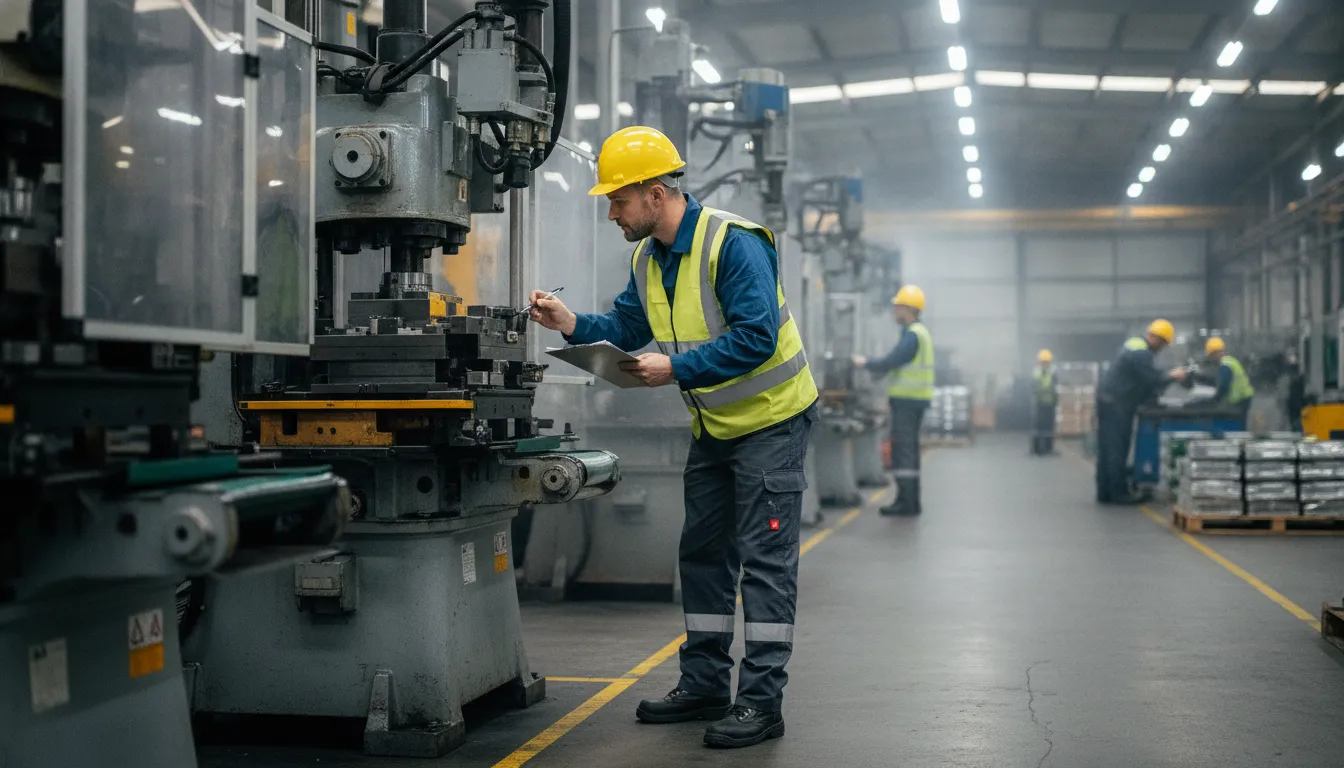
- Walk the facility and observe the work. Follow employees through normal operations, startup, shutdown, cleaning, maintenance, material handling, and emergency response. Watch what people actually do, including tasks performed outside the usual workflow. Inspect work areas, tools, machinery, storage locations, access routes, and ventilation. Ask employees where exposures occur, when conditions change, and which tasks feel difficult to perform safely. A walkthrough often reveals splash, falling-object, sharp-edge, noise, heat, or slip hazards that a written procedure does not capture.
- Identify hazards by process and environment. Analyze each job step and record the hazard source, the people exposed, the potential injury, and the circumstances that increase risk. Consider chemical, radiological, and mechanical hazards, along with impact, penetration, compression, temperature, dust, vapor, noise, and fall exposures. Evaluate routine and nonroutine work separately. The goal is to determine where hazards can cause injury, not simply to assign one PPE category to an entire department.
- Match every hazard to a protection class. Select protection based on the exposure and the work, rather than choosing the most convenient item. The assessment may require eye and face, head, hand and arm, foot and leg, body, hearing, respiratory, or personal fall protection. Confirm that each item is safely designed and constructed for the work, as required by 1910.132. Check fit, compatibility with other PPE, visibility, mobility, chemical resistance, and the relevant consensus standard before approval. Browse compliant PPE by category after the hazard and performance requirements are clear.
- Document the assessment and supporting decisions. Record the facility or task reviewed, date, evaluator, hazards identified, selected protection, limitations, and any corrective controls used before PPE. Keep the written certification required by 1910.132. It should identify that the workplace was evaluated, the person certifying the assessment, and the date of the assessment. Retain product specifications, approval information, fit records, and employee training records where they support the selection decision.
- Certify the assessment and review it when work changes. A certification is not a permanent approval. Reassess when equipment, chemicals, processes, staffing, layouts, or production conditions change, and after an incident or near miss suggests an overlooked exposure. Review whether employees can use the selected PPE correctly and consistently. Update the written certification and communicate changes before affected employees begin the revised work.
This process turns PPE fundamentals into an auditable control: identify the exposure, select protection that addresses it, document the reasoning, and keep the assessment current.
Compare PPE options by safety category so you can match the right protection to each hazard you identified.
How to Select the Right PPE for Each Hazard
Start with the hazard, not the product catalog. Chemical splash, flying debris, elevated temperatures, sharp edges, and airborne contaminants can expose workers to different injury mechanisms. Each requires a protection class suited to the task, material, exposure route, and duration.
OSHA's 1910.132 requires employers to assess the workplace and select PPE that is of safe design and construction for the work. These PPE fundamentals help EHS teams connect hazard assessments to defensible purchasing decisions.
Chemical splash and liquid exposure
For corrosive or irritating liquids, select chemical-resistant gloves, protective eyewear with side protection or a face shield, and garments appropriate to the substance and potential splash volume. Safety glasses alone may not protect the face from a large splash. Review the product's chemical-resistance data and confirm compatibility with the specific substance, concentration, and contact time.
ANSI Z87.1 is the relevant performance standard for occupational eye and face protection. Where a spill could reach the eyes, pair the right PPE with accessible emergency equipment, including an eyewash meeting ANSI Z358.1 where applicable.
Impact and flying-object hazards
Impact hazards call for safety eyewear rated for workplace use, with side protection when particles may approach from an angle. Add head protection when falling or swinging objects could strike the skull. Hard hats selected for industrial work should meet the applicable requirements of ANSI Z89.1. Match the class and accessories to the electrical, impact, and jobsite conditions identified in the assessment.
Heat, flame, and sharp-edge hazards
Heat and flame exposures may require flame-resistant clothing, heat-resistant gloves, face protection, and footwear designed for the task. Choose materials based on the actual thermal exposure rather than relying on a general "heat resistant" label. For cuts, select gloves with a cut-resistance level appropriate to the blade, material, force, and handling motion. ANSI/ISEA 105 provides a framework for evaluating protective gloves, but the rating must still match the work process.
Airborne particles and respiratory hazards
Dust, mist, fumes, and other airborne contaminants require a respiratory evaluation before selecting a respirator. Consider the contaminant, concentration, oxygen conditions, work duration, and whether the exposure is particulate or vapor based. A powered air-purifying respirator may be appropriate for some applications; see how a PAPR works before comparing configurations.
Document why each protection class was selected, then verify fit, training, maintenance, and replacement requirements. For a broader product review, browse compliant PPE by category after the hazard assessment is complete.
How to Train Employees and Maintain a Compliant PPE Program
A PPE program is only effective when employees understand why protection is required, how to use it, and when to remove it from service. OSHA identifies training in the proper use of PPE as a core program element in OSHA Publication 3151. Training should be practical, specific to the job, and refreshed whenever hazards, equipment, or work procedures change.
What should PPE training cover?
Start with the hazards identified during the workplace assessment. Explain what each hazard can do, which PPE controls the exposure, and the limits of that protection. Employees should know how to select the correct size and model. They must also know how to put it on and remove it safely, adjust it for a proper fit, and recognize signs of damage or poor performance.
Demonstrations should cover the full use cycle, not just donning. For example, workers may need to inspect eye protection before entering an area, keep gloves away from rotating equipment, or follow a specific sequence when removing contaminated clothing. Give employees time to practice and ask them to demonstrate the procedure. Supervisors should correct errors immediately and keep a record of the training date, topic, attendees, and instructor.
For more guidance on building an OSHA-aligned safety program, review this OSHA compliance and PPE fundamentals guide.
How often should PPE be inspected and replaced?
Employees should inspect PPE before each use and report defects promptly. Supervisors should also schedule documented program inspections at a frequency appropriate to the equipment, exposure, and work environment. Look for cracks, cuts, excessive wear, contamination, stretched straps, damaged closures, clouded lenses, and missing components. Respiratory equipment, fall protection, and other specialized systems may require additional inspections under their applicable standards and manufacturer instructions.
Clean and sanitize reusable PPE according to the manufacturer instructions and the type of contamination involved. Store equipment where it will remain dry, accessible, and protected from sunlight, chemicals, heat, and deformation. Never return contaminated or damaged equipment to general storage.
Who is responsible for PPE maintenance?
The employer remains responsible for PPE adequacy, maintenance, and sanitation even when employees provide their own equipment. That requirement appears in OSHA 29 CFR 1910.132, which also requires PPE to have safe design and construction for the work performed. Establish written replacement criteria for wear, contamination, expired service life, failed inspection, and changes in job hazards. A simple inventory can track issue dates, inspection results, cleaning, repairs, replacements, and disposal.
Keep the hazard assessment, written procedures, training records, inspection logs, and corrective actions together. These records help supervisors verify that the program is operating as designed and show where refresher training or different PPE is needed.
Why Buyers Choose a PPE Compliance Specialist
Compliance-critical teams need more than a large product catalog. They need a sourcing partner that understands how PPE fundamentals connect workplace hazards, OSHA requirements, applicable ANSI standards, employee use, and ongoing program management.
Safety Company operates as a specialized B2B distributor, not a manufacturer or generalist marketplace. Its catalog includes more than 8,600 safety products across 20-plus categories from over 60 vetted brands, including 3M, Honeywell, DuPont, and MSA. That breadth helps EHS managers source protection for multiple hazards while keeping product selection grounded in the requirements of the job.
What does specialist support add to PPE procurement?
A generalist MRO supplier may make PPE available alongside thousands of unrelated maintenance products. A specialist keeps the safety decision at the center. Buyers can compare protection types, product features, and recognized standards by category rather than relying on a generic search result or choosing the lowest visible price.
That distinction matters when a facility is purchasing eye protection, gloves, protective clothing, fall protection, or respiratory equipment for different tasks. The right choice depends on the hazard assessment and the work performed. OSHA requires PPE to have safe design and construction for that work, so procurement should support the employer's documented safety process. OSHA's PPE standard provides the compliance foundation for that evaluation.
Specialized distribution also supports practical purchasing requirements. Safety Company offers below-MSRP pricing, no minimum orders, and no membership fees, which can help organizations replenish routine supplies without adding unnecessary purchasing barriers. Orders placed by 3pm EST Monday through Friday qualify for same-day shipping, subject to the company's stated fulfillment terms. Standard items also carry a 30-day money-back guarantee and a 5-Star Total Satisfaction Guarantee.
For teams building or updating a compliant program, start by browsing compliant PPE by category, then confirm the selection against the hazard assessment, required standards, and training plan. When the application is specialized or the procurement decision needs review, contact Safety Company for support from a safety-focused distributor.
Call 1-800-310-7233 to speak with a safety specialist about your PPE program.
Frequently Asked Questions
What is considered basic personal protective equipment?
Basic PPE includes equipment that protects the eyes and face, head, feet and legs, hands and arms, body, hearing, and against falls. The right combination depends on the hazards identified in each task and work area. OSHA identifies these core PPE categories.
When are employers required to provide PPE to employees?
Employers must provide PPE when a workplace assessment identifies existing or likely hazards that could cause injury. OSHA also requires the equipment to be safely designed and constructed for the work performed. See OSHA 1910.132 for the applicable requirements.
How do you select the correct PPE for a workplace hazard?
Start with a documented hazard assessment, then match the equipment to the exposure, its severity, and the task. Consider impact, chemical contact, cuts, heat, noise, visibility, and fall risks. Confirm the product's intended use, fit, compatibility with other PPE, and applicable ANSI or OSHA requirements before purchase.
What is the difference between safety glasses, goggles, and face shields?
Safety glasses provide basic eye protection from common impact hazards. Goggles create a closer seal and are better suited to splash, dust, or fine-particle exposures. Face shields protect the face and help contain larger impacts or splashes, but they are commonly worn with suitable safety glasses or goggles for primary eye protection.
Why is employee training essential to a PPE program?
Employees need practical instruction on when PPE is required and how to put it on and adjust it. They also need to know its limits and how to inspect, clean, store, and replace it. OSHA's PPE guidance includes training in proper use, while employers remain responsible for equipment adequacy, maintenance, and sanitation even when employees supply their own gear. Review OSHA's PPE guidance.
Ready to strengthen your facility's PPE program?
A well-matched PPE program helps your team connect workplace hazards with appropriate protection and a more consistent compliance process. When you are ready to source equipment for your facility, Safety Company can help you review options across key PPE categories.
Call 1-800-310-7233 to get started with your PPE purchase.
Recent Posts
-

LOTO Explained: Lockout/Tagout Steps for Safer Maintenance
LOTO, short for lockout/tagout, is an energy-control process that prevents a machine from starting o …Oct 12th 2026 -

N95 Respirator Guide for Workplace Safety
Dust, mist, fumes, and other airborne particles can create serious exposure risks before a worker no …Oct 12th 2026 -
Cut Gloves: How to Choose the Right ANSI Level
A hand-protection program works best when it starts with the task, not a product label. A packaging …Oct 5th 2026