
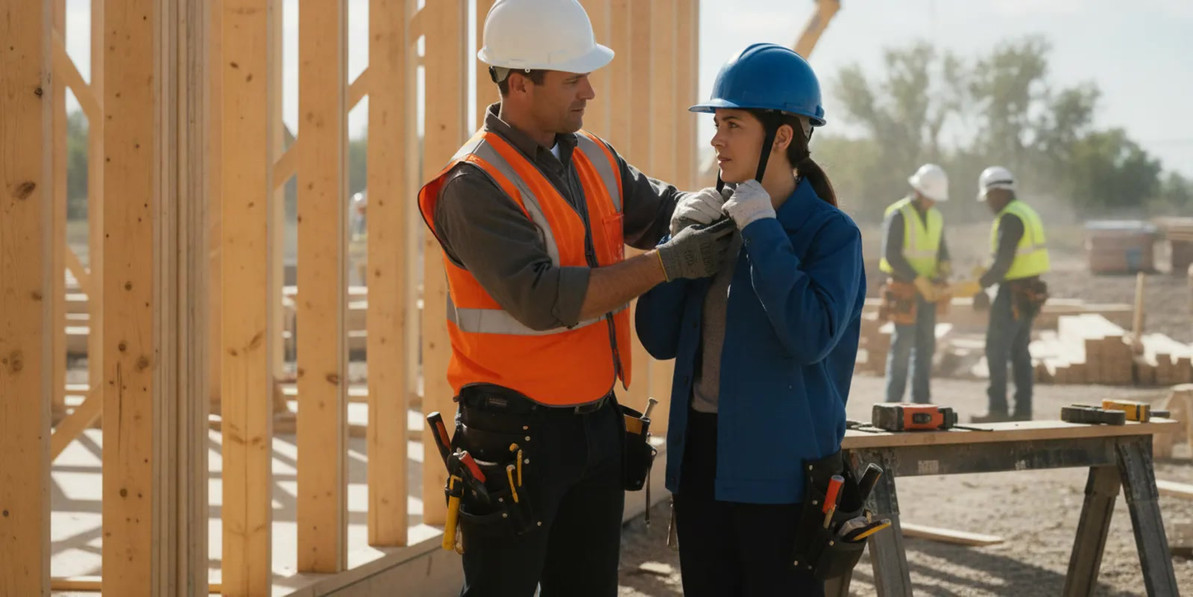
Construction Hard Hats: Selection and Standards for Worksites
Choosing construction hard hats calls for more than comparing colors, shells, or prices. US workplace safety buyers should begin with the worksite hazards, then verify the applicable requirements and select equipment that workers can wear correctly with their other protective gear. A sound decision also includes a plan for fit, inspection, replacement, and controlling substitutions.
Ask about head protection options
What decision should the hard hat selection process answer?
The central question is not simply which hard hat is popular. It is which model and configuration provide suitable protection for the hazards identified in a particular role and work area, while remaining usable throughout the shift. The answer may differ between workers on the same project if their tasks, locations, or exposures differ.
Keep the purpose of the selection process narrow and documented. It should connect each work activity to the hazards that could cause head injury, the protection requirement, and the products approved for that use. Avoid treating a color convention, a familiar brand, or the choice made on a prior project as proof that a helmet fits the current conditions.
A practical assessment records:
- Which job roles and tasks create a potential head injury exposure.
- Whether impact could come from above, from the side, or from more than one direction.
- Whether electrical hazards are present and what protection is required for the work.
- What other PPE, communication devices, or weather accessories must be worn at the same time.
- How workers will inspect, clean, store, report damage to, and replace the equipment.
Use the assessment when writing a purchase specification and when a supervisor reviews a proposed substitution. For general OSHA information, consult the agency's official site at OSHA; confirm the current standards and requirements that apply to your specific operations rather than relying on a product listing or a short summary.
How should a construction team identify the hazards first?
Walk through the work as it is actually performed. Consider routine production, setup, cleanup, maintenance, deliveries, and temporary tasks. Hazards can change when a crew moves to another floor, works below overhead activity, handles long materials, operates equipment in a confined area, or works near electrical systems. Include subcontractor activities and shared work zones in the review.
For each task, ask what could strike or contact a worker's head. Falling tools or materials and objects thrown or moved during work can present an impact concern. A worker might also strike a fixed structure while entering a low-clearance area or moving around equipment. Electrical work creates a separate selection consideration, and a general-purpose helmet should not be assumed to provide the needed electrical protection.
Make the assessment specific enough to support a decision. Instead of writing “construction hazards,” record an example such as “crew installs overhead piping below active platform work” or “maintenance staff enter a work area near energized equipment under an approved electrical work plan.” Then note which controls reduce the exposure and which head protection remains necessary. Headwear is one part of a broader hazard-control program, not a substitute for addressing the source of a hazard.
Talk with the workers who perform the tasks. They can identify snagging, visibility, heat, and fit issues that are not obvious from a desk review. A field trial with a small representative group can help reveal whether a selected configuration stays secure during normal movement and works with required eyewear, hearing protection, and face protection. Record feedback and evaluate it against the protective requirement; comfort alone does not establish suitability.
How do OSHA duties and ANSI designations relate?
OSHA requirements set employer obligations for workplace protection. ANSI/ISEA Z89.1 is an industry consensus standard used to describe industrial head protection, including impact types and electrical classes. Buyers should verify the current applicable requirements, the product's markings, and manufacturer documentation. The standard designation is one piece of evidence in the selection process, not a replacement for a site-specific assessment.
Type I helmets are designed for impact to the top of the head. Type II helmets are designed for top and lateral impact. Electrical classes describe different tested performance: Class G (general) and Class E (electrical) are not interchangeable, while Class C (conductive) is not intended to provide electrical protection. These labels do not make a helmet suitable for every electrical task or exposure. Follow the employer's electrical safety procedures and the manufacturer's limits.
| Selection check | What the buyer should verify | How it informs the decision |
|---|---|---|
| Impact exposure | Whether the work calls for Type I or Type II protection under the applicable assessment | Top and lateral impact conditions are different |
| Electrical exposure | Required class, product markings, instructions, and limits for the work | Classes differ; Class C is conductive and not electrical protection |
| Fit and adjustment | Wearer fit, secure adjustment, compatible suspension, and stable positioning | A helmet that will not stay correctly positioned may not be usable as intended |
| Accessories | Approved slots, adapters, chin straps, and combinations for the exact model | Physical attachment alone does not confirm compatibility |
| Care and replacement | Model-specific cleaning, storage, inspection, and replacement instructions | Conditions and damage history affect continued service |
Do not infer type or class from shell shape, color, or a seller's category label. Check the helmet itself and the manufacturer material for the exact model. If documentation is missing or a marking is unclear, pause the purchase or issuance and confirm the information with the manufacturer or supplier. For project teams, a saved copy of the relevant product documentation helps future purchasers avoid substituting a similar-looking but differently rated model.
What should buyers verify before approving a model?
Begin with the complete model identity, not a broad description such as “hard hat.” Confirm the manufacturer and model, the applicable standard designation and markings, the type and electrical class needed for the exposure, and any limitations in the instructions. Product pages are useful for narrowing options, but procurement should confirm the current specifications for the actual item being ordered.
Next, check availability of the right size or adjustment range, replacement suspension, and approved accessories. Decide whether the work requires a chin strap, face shield, hearing protection, or another component. The buyer should know whether the chosen components are intended to work together and how they must be installed. Ask what happens if a component wears out: a model with a documented replacement path can be easier to manage than one that forces a complete configuration change.
Compare approved models against the same written criteria. A simple scorecard can use “meets,” “does not meet,” or “needs confirmation” for each requirement. For example, two options may both meet an impact requirement, but only one may have an approved face-shield combination that the crew needs. Another may offer the required electrical class but not fit a particular worker with the required communication equipment. The scorecard surfaces such differences before an order is placed.
Separate required features from preferences. Color may support a site's identification policy, but color is not a protective rating. Price and availability matter to procurement, yet neither overrides the assessment or product limitations. If the preferred model is unavailable, select a documented alternative that meets the same requirements; do not let an urgent replacement become an undocumented downgrade.
How should fit and accessories be checked in the field?
Each worker should be able to adjust the helmet according to the manufacturer's instructions and wear it in the intended position. Check that it sits securely, does not obstruct vision, and does not interfere with other required PPE. A fit check should include normal work movements, not just standing still for a quick visual review. If it cannot be adjusted to fit a worker properly, identify a suitable alternative instead of improvising with padding or unauthorized parts.
Review accessory compatibility with the exact helmet model. A shield, earmuff, lamp, chin strap, or cold-weather item may affect fit or interfere with another component. A part that snaps into place may still be unapproved or unsuitable in combination. Keep a list or photo of approved configurations by task or role so supervisors and workers can recognize permitted setups.
Where face protection is needed, assess the face shield, attachment, and head protection as a system. For instance, a buyer can review a face shield option while separately verifying that its mounting arrangement is approved for the selected helmet. A product link does not establish compatibility; the equipment instructions and the work hazard assessment control.
Eye and hearing protection also deserve an integrated check. A pair of safety glasses must remain compatible with the helmet and any face shield, while hearing protection must fit and function as intended with the headwear. For example, a buyer evaluating passive earmuffs should verify that the helmet and earmuff combination is approved for use together and remains correctly positioned. Select and verify each item for its own hazard; do not assume one PPE component makes another unnecessary.
Cold-weather or task-specific head coverings need the same care. A winter liner or other headwear can alter fit, suspension contact, or the way a helmet sits. Confirm that the manufacturer permits the combination and that it does not compromise the required fit. If the worker also needs sealed eye protection, verify the fit of safety goggles with the helmet and other PPE rather than assessing each item in isolation.
Do not drill, cut, paint, or otherwise modify a shell unless the manufacturer specifically permits the change. Modifications can affect performance or serviceability. Use only specified replacement parts and follow instructions for cleaning, storage, and accessory installation. When a worker reports discomfort or interference, investigate the combination rather than telling the worker to remove a required component.
How can a buyer turn the assessment into a procurement plan?
Translate the risk review into a concise specification for each job group. State the required type and class, the compatible configuration, the expected quantities or replacement process, and the documents that must accompany approval. Assign someone to review substitutions. If multiple crews or subcontractors procure equipment independently, provide the same approved criteria to each group.
Before finalizing the specification, test it against realistic work scenarios. Consider a framing crew moving beneath overhead work, a concrete crew exposed to both flying material and nearby equipment, and a maintenance worker entering a room with restricted clearance. The purpose is not to force every example into a different model. It is to check that the specification captures the relevant exposure and that the chosen protection remains suitable as the task changes. Record where one approved configuration covers several tasks and where a separate configuration or additional control is needed.
A pilot evaluation can help catch practical issues before wider purchasing. Select workers who represent the expected range of tasks and fit needs, and have them wear the proposed equipment during normal work under appropriate supervision. Ask whether adjustment remains secure, whether visibility or movement is affected, and whether required accessories stay in position. Confirm reported concerns against the instructions and hazard assessment. If a setup causes interference, revise the proposed combination and check it again; do not solve the problem by removing required PPE or modifying the shell.
Document the approval logic in a form procurement and field leaders can use. A short record might include the task group, hazard summary, required type and class, model identifier, allowed accessories, source of product specifications, approving person, and date reviewed. Add a clear substitution rule: the replacement must meet the same requirements and be checked for fit and compatibility before issue. This reduces the chance that a last-minute purchase bypasses the selection process.
Plan stock around the way the site operates. Decide who keeps approved replacement units or parts accessible, how workers request a replacement, and how damaged helmets are segregated from usable inventory. For multiple shifts, ensure the information and replacement path are available outside the time when the original purchaser is on site. The goal is a dependable process, not an assumption that every worker will solve a shortage independently.
- Group work by exposure: Use tasks and locations, not job titles alone, to define groups. A single title may cover both office and field duties.
- State mandatory requirements: Identify the applicable protection and compatibility needs before listing preferred features.
- Verify documentation: Match product markings and manufacturer instructions to the specification before approving a model.
- Check the wearer and configuration: Confirm fit and accessory combinations with representative workers.
- Control ordering and substitutes: Maintain approved model information and require a documented review when the exact item changes.
- Plan issue, training, and replacement: Identify who distributes equipment, explains use, collects damaged items, and approves replacements.
Consider a project with two distinct work groups. The first performs tasks beneath overhead activity and needs protection chosen for the assessed impact hazards. The second works near electrical hazards and also wears face protection. Procurement should not simply order one helmet configuration for everyone because it is convenient. The buyer should document the exposures, determine the required type and class for each group, verify compatibility for the second group's accessories, and ensure every worker receives instructions for the selected model.
A change in work conditions should trigger a review. Examples include a new overhead task, a change in electrical exposure, a different shield or communications device, or a move into an area with new clearance constraints. A review does not necessarily mean every worker needs new equipment; it means the organization confirms whether the current selection and setup still address the hazards.
Contact the team with product questions
What inspection, care, and replacement process is practical?
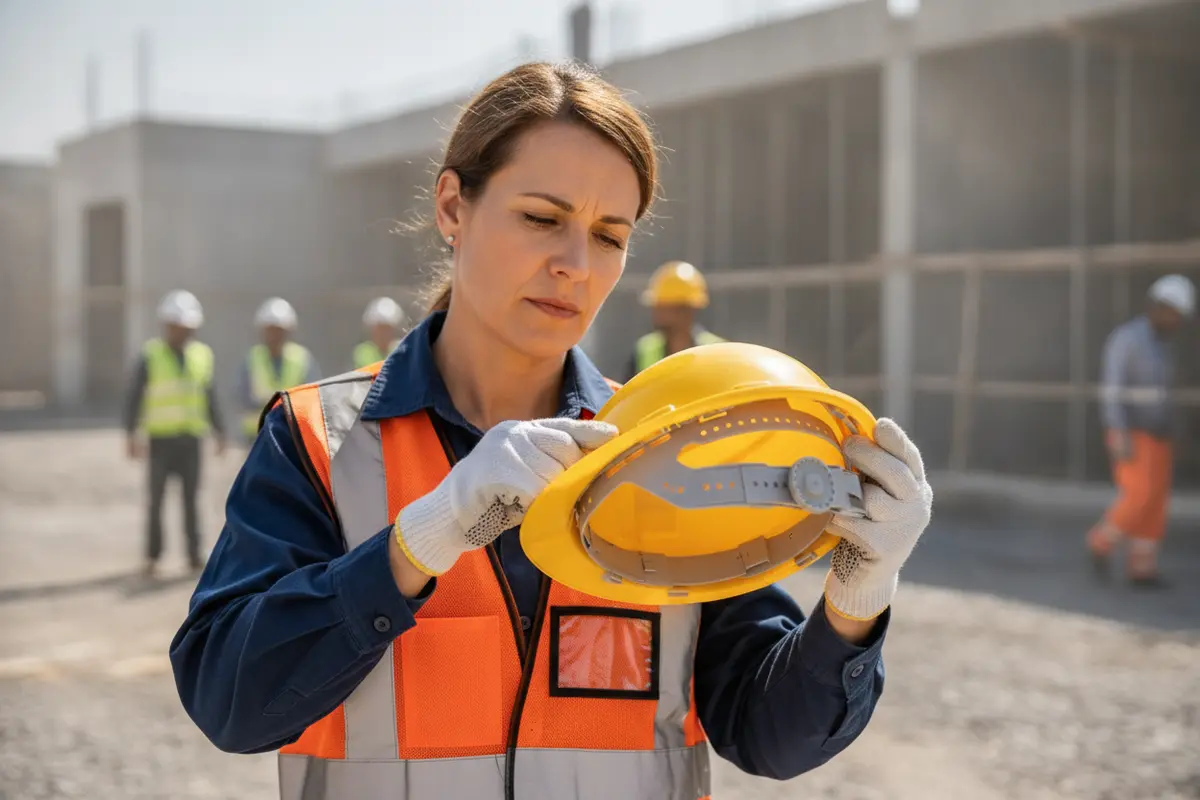
Use the manufacturer's instructions and site conditions to define a consistent process. Workers should check the shell and suspension before use for cracks, dents, holes, deformation, damaged adjustment parts, fraying, or other visible deterioration. Inspect the components that secure the helmet and any accessories, not just the outside surface. Follow model-specific guidance when an item has been exposed to a significant impact, even if damage is not immediately obvious.
- Inspect the shell, suspension, and adjustment mechanism before use.
- Remove damaged or suspect equipment from service promptly and identify it so it is not accidentally reissued.
- Clean only with methods and materials permitted by the manufacturer.
- Store equipment as directed and protect it from conditions that can cause deterioration.
- Use compatible replacement parts and record the reason for replacement when useful to the program.
Do not assume a universal expiration date applies to every model. Follow the manufacturer's guidance for the particular helmet and its conditions of use. Replace the equipment when the instructions, inspection, or impact history call for it. Avoid relying on appearance alone, because a shell can look acceptable while its history or service conditions require a closer decision.
Make reporting easy. Workers should know whom to tell when a helmet is struck, damaged, contaminated, or no longer fits securely. Supervisors should know how to remove it from circulation and obtain an approved replacement. A clear route matters on a busy jobsite: if replacement is difficult, workers may continue using questionable equipment or borrow an unapproved model.
Keep records proportional to the program. A site may record approved models and configurations, training, inspection issues, damage reports, and replacement decisions. The record should help answer practical questions: Which equipment was approved for this task? What instruction did the worker receive? Was a damaged item removed? Which model replaced it? Clear records make handoffs between shifts and project teams more reliable.
How should teams train workers and review the program?
Training should explain why the selected protection matches the work, how to adjust and wear it, which accessories are allowed, and what to do if the fit or configuration changes. Demonstrate a pre-use check on the actual model issued. Have workers identify common warning signs and practice reporting a damaged item. Keep the message concrete: use this approved configuration for this task, inspect these components, and report these conditions.
Review the program when the work changes, product instructions are revised, a recurring fit or damage issue appears, or an unapproved substitution is found. Ask workers and supervisors whether the approved setup is practical and whether they can obtain replacement components. A pattern of repeated adjustments or removals may signal that the configuration needs evaluation, not that workers should ignore the problem.
Maintain a short list of approved products and the basis for approval. Include the model identifier, the required type and class, allowed accessories, source documents, and review date. A buyer can share the list with site supervisors and procurement staff, then retire old versions so people do not order from an outdated copy. SafetyCompany.com distributes industrial safety equipment from multiple brands; buyers with product questions can contact the team to confirm product details before ordering.
Call to discuss head protection questions
Frequently Asked Questions
Does every worker on a construction site need the same hard hat?
Not automatically. The selection should follow the hazards and tasks for each role or work area. Workers may share a model when their documented needs and fit requirements match, but the organization should verify that rather than assume it.
Is a helmet's color proof of its rating?
No. Color may be used for site identification, but it does not establish impact type or electrical class. Check the product markings and manufacturer documentation against the hazard assessment.
Can a worker attach an accessory if it fits the slots?
Not based on physical fit alone. Use only combinations approved or specified by the manufacturer, and confirm that the complete setup suits the work and remains properly fitted.
When should a hard hat be taken out of service?
Remove it when inspection reveals damage, after a significant impact when manufacturer guidance calls for removal, or when instructions otherwise require replacement. Follow the specific model guidance rather than applying one assumed age limit to every helmet.
What should a buyer do if the preferred model is unavailable?
Use the written specification to evaluate an alternative. Confirm its markings, instructions, fit, and accessory compatibility before approval. Do not substitute based only on a similar appearance or a product description.
Construction hard hats work as part of a deliberate program: identify the exposures, verify the required protection, fit and configure the equipment correctly, and keep inspection and replacement decisions consistent as the job changes.
Recent Posts
-

Construction Hard Hats: Selection and Standards for Worksites
Choosing construction hard hats calls for more than comparing colors, shells, or prices. US workplac …Nov 5th 2026 -

The workplace question: Carbon Fiber Hard Hat
A carbon fiber hard hat may stand out for its shell material, but material alone cannot tell a safet …Nov 4th 2026 -
Confined Space Rescue: Equipment and Planning for Employers
Confined space rescue is not a plan to improvise after a worker is in danger. Employers should asses …Nov 3rd 2026